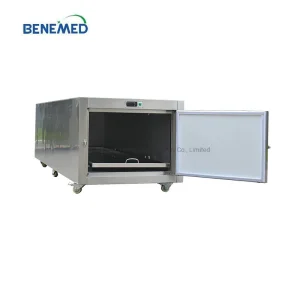
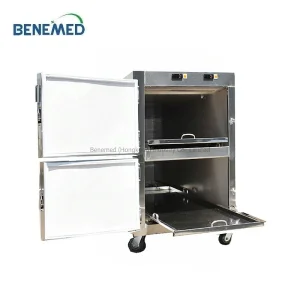
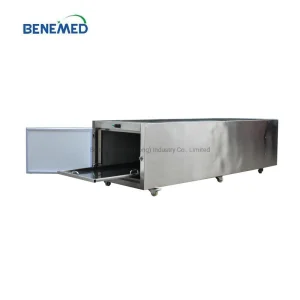
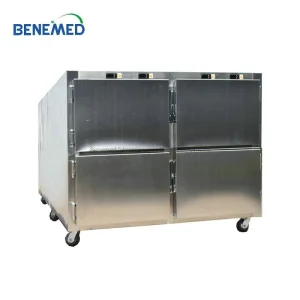
Morgue & Cadaver Stretcher Factory & Suppliers in the South Sudan Market

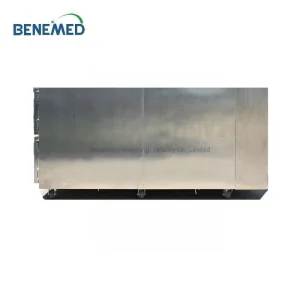
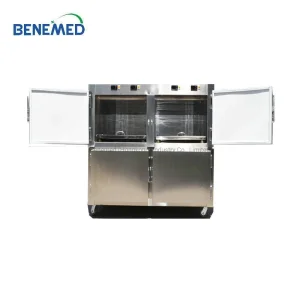
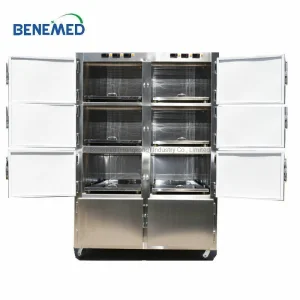
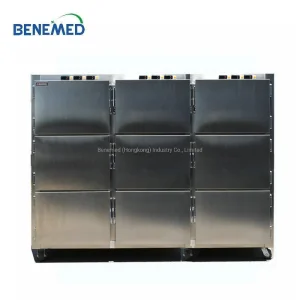
High-reliability, heavy-duty cadaveric transport systems and refrigeration chambers engineered to excel under extreme ambient environments in Juba and across East Africa.

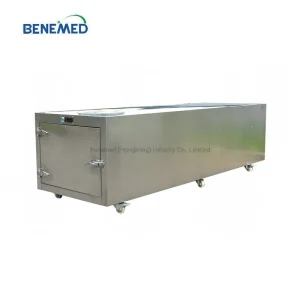
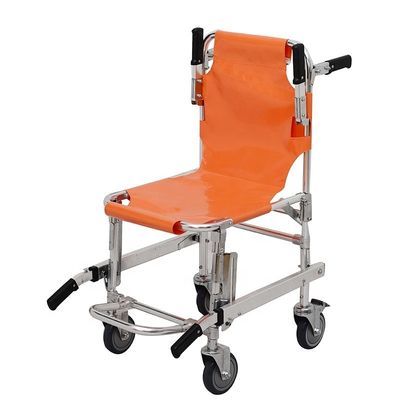
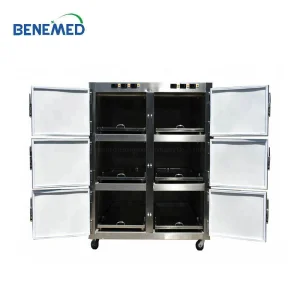
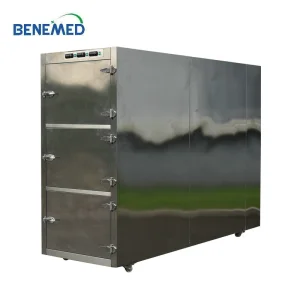
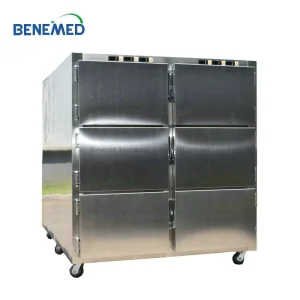
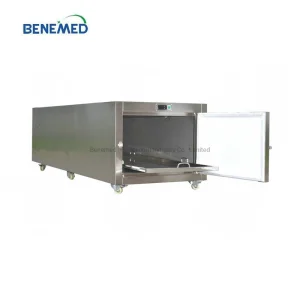
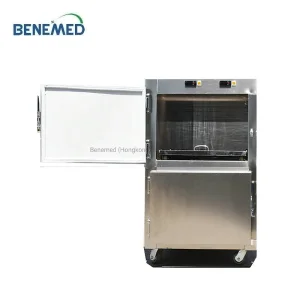
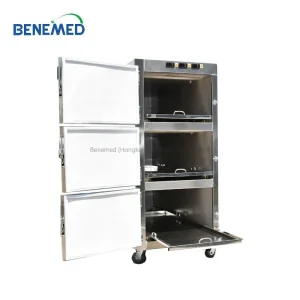
Featured Cadaver & Mortuary Systems for South Sudan Projects

Constructed from industrial-grade SUS304 stainless steel and reinforced structural frames to withstand persistent field operations.
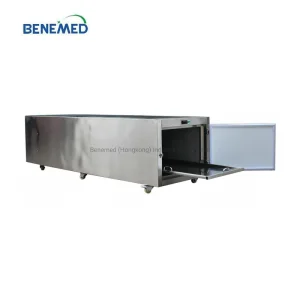
South Sudan Mortuary Infrastructure & Clinical Logistics Overview

The healthcare system in South Sudan is undergoing structural modernization. Medical institutions, humanitarian missions, and municipal morgues in hubs such as Juba, Wau, Malakal, Yei, and Bentiu are systematically upgrading their cold-chain logistics and cadaveric handling workflows. Amidst complex local challenges, procuring reliable post-mortem equipment remains a primary operational priority.

Working in South Sudan requires adaptation to rugged environments. High ambient temperatures, which frequently cross 40°C, call for advanced thermal insulation and resilient refrigeration systems. The local electrical grid often experiences power drops, making standby generator integration and heavy-duty, low-draw compressor technologies necessary. Additionally, the physical impact of unpaved routes during transfer requires stretchers with reinforced heavy-duty wheels, reinforced frames, and robust structural integrity.

As a leading supplier of medical equipment, Guangdong Jones Medical Co., Ltd. designs mortuary stretchers and cold cabinets specifically optimized for the demanding environments of emerging markets like South Sudan.
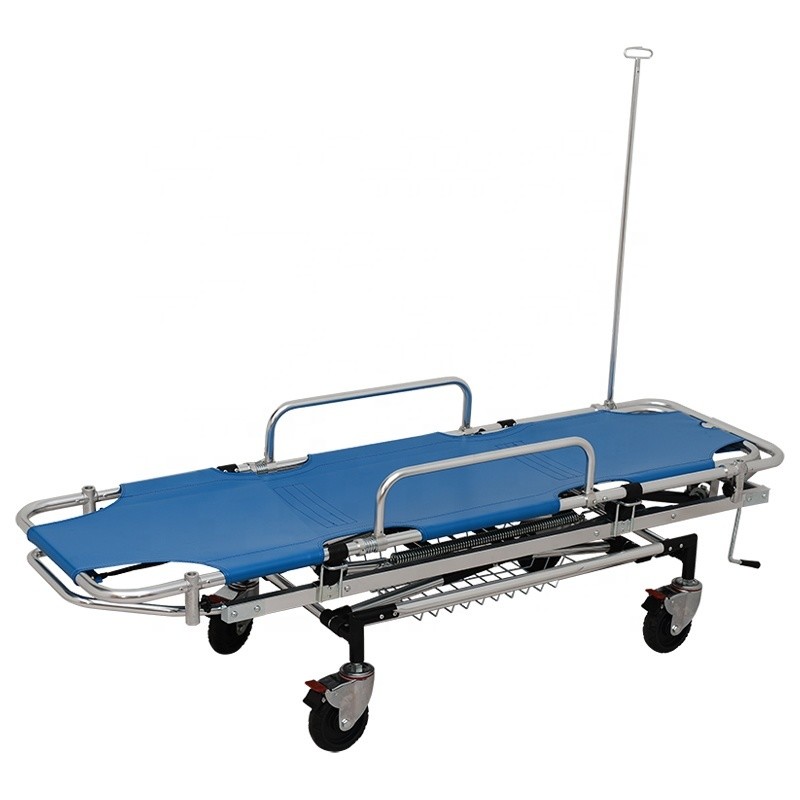
Guangdong Jones Medical Manufacturing Facility - Mortuary Stretchers and Equipment

Engineered Strength, Globally Certified

Our global operational statistics validate our capability to fulfill urgent public-health deployments and hospital build-outs.

50+
Exporting Countries
100+
Medical Device Types
SUS304
Stainless Steel Grade
100%
Rigorous Quality Testing

Global Mortuary Equipment Standards vs. Local Realities

Modern mortuary practice requires strict compliance with biohazard safety protocols, chemical exposure mitigation, and ergonomic patient handling standards. Internationally, institutions follow specifications set by European (CE) and North American certifications, which demand robust mechanical configurations, seamless weld lines to prevent fluid harboring, and chemical-resistant alloys.

Localized Application Scenarios in South Sudan

  • Tertiary Hospital Mortuary Infrastructure: Large, centralized public hospitals, such as Juba Teaching Hospital, require reliable, high-capacity cold storage cabinets. These systems need to interface seamlessly with heavy-duty hydraulic loading stretchers to reduce manual loading effort and maximize spatial efficiency.
  • NGO and Humanitarian Missions: Remote field hospitals and medical stations managed by international aid groups require highly mobile, folding cadaver stretchers. These need to be light enough for field transport yet strong enough to support high load capacities under variable weather conditions.
  • Military and Security Operations: Tactical recovery scenarios require highly durable aluminum alloy or specialized stainless steel cadaver stretchers featuring integrated containment covers and heavy-duty handles for rough terrain.
  • Municipal and Community Funeral Systems: Municipal storage depots require low-maintenance, cost-effective mortuary refrigerators and transport trolleys that are easy to sanitize using standard chemical cleaning protocols.
Guangdong Jones Medical Assembly Line and R&D Lab

China Factory Resilience & Efficiency Advantages

As the capital city of Juba experiences rapid urbanization, international procurement departments require rapid, predictable supply chains. Guangdong Jones Medical Co., Ltd. coordinates a robust supply network to ensure reliable delivery schedules, from initial production to local customs clearance.

Our manufacturing advantages include:

  • Automated Precision Fabrication: Utilizing advanced laser cutting and automated robotic welding to ensure seamless, hygienic joints on all stretchers and refrigeration panels.
  • Cost-Efficient Sourcing: Operating within China's medical manufacturing hubs allows us to procure premium materials, such as high-grade SUS304/SUS316 steel, at lower costs, passing these savings directly to our buyers.
  • Optimized Shipping Routes: We manage direct maritime routes from major ports in Guangzhou/Shenzhen to the Port of Mombasa (Kenya) or Port Sudan. These are supported by experienced overland shipping partners who ensure safe delivery to Juba, South Sudan.
  • Turnkey Support: We supply all necessary export documentation, packing lists, and regulatory certifications, enabling clean customs handling at regional checkpoints.

Technology Roadmap & Future Outlook

The design of mortuary equipment is evolving beyond basic mechanical structures to focus on smarter, more integrated systems that enhance safety, traceability, and durability.

1. Anti-Microbial Coatings

Integrating silver-ion and titanium dioxide coatings on stretcher surfaces helps actively reduce viral and bacterial loads, protecting healthcare personnel from infectious hazards.

2. Intelligent Power Management

Equipping future refrigeration units with hybrid power input interfaces. This allows them to switch seamlessly between grid power, solar arrays, and diesel backup units.

3. Ergonomic Hydraulic Drives

Integrating durable foot-pump and battery-operated hydraulic systems. These allow a single operator to raise and lower heavy cadaver stretchers with minimal physical effort.

Quality Control Specification for Medical Stretchers

At Guangdong Jones Medical Co., Ltd., we prioritize structural safety and long-term durability. Our manufacturing process incorporates strict quality gates, ensuring that every cadaveric trolley and mortuary refrigerator meets high operational standards:

Quality Control Framework:

  1. Raw Material Authentication: Spectral testing of incoming stainless steel shipments ensures precise chromium and nickel content, guaranteeing corrosion resistance in humid conditions.
  2. Dynamic Structural Stress Testing: Load testing using weights exceeding standard limits (up to 300 kg) verifies frame integrity under high stresses.
  3. Mobility and Brake Lifespan Analysis: Caster wheels undergo endurance testing on uneven surfaces to ensure smooth movement and reliable braking performance in field operations.
  4. Sealing Integrity Verification: Mortuary refrigerator panels are pressure-tested to confirm high-density polyurethane insulation coverage, preventing hot spots and reducing energy consumption.

Key Procurement Questions for Mortuary Equipment in South Sudan

Answers to common logistical, technical, and maintenance questions from healthcare managers and institutional buyers.

How does the high ambient temperature in South Sudan affect mortuary refrigerator performance?
High ambient temperatures (often above 40°C) require refrigeration units with thick polyurethane foam insulation (at least 80mm to 100mm) and high-efficiency compressors (such as Secop/Danfoss). Our systems are designed to operate under T-class (Tropical) climate conditions, maintaining target internal temperatures of 1°C to -15°C even during extreme exterior heat.
Can the cadaver stretchers handle rough transport on unpaved roads?
Yes, our cadaver stretchers feature reinforced stainless steel frames and heavy-duty casters equipped with sealed, dust-resistant bearings. This configuration helps absorb impacts from uneven roads and prevents fine dust from Juba's roads from locking the wheel rotation or braking assemblies.
What electrical protection measures are built into the equipment?
Our mortuary refrigeration equipment can be fitted with integrated wide-voltage regulators and automatic delay protection. This helps protect the electronic controllers and compressors from sudden voltage surges or dips common in regional electrical grids.
Are your mortuary products customizable?
Yes, we provide customization for tray widths (including bariatric configurations), chamber quantities (ranging from single-body units to 12-chamber systems), and stretcher heights. We can also integrate custom hydraulic lifting limits based on your existing facility layout.

Local Support & Compliance Assurance

Purchasing healthcare equipment for South Sudan requires verifying import documentation and ensuring long-term maintenance access. Guangdong Jones Medical Co., Ltd. provides a comprehensive warranty program and maintains a robust stock of critical replacement components—such as gaskets, wheels, hydraulic cylinders, and compressors—ready for fast dispatch.

All items are shipped with complete operating manuals, step-by-step assembly diagrams, and basic troubleshooting scripts. For major hospital projects, we can also coordinate remote video walkthroughs with our engineering team to support local technical staff through setup and calibration.

Need a Custom Solution for South Sudan?

Get in touch with our technical sales division to request detailed product sheets, formal price sheets, or to discuss custom dimensions for your facility.