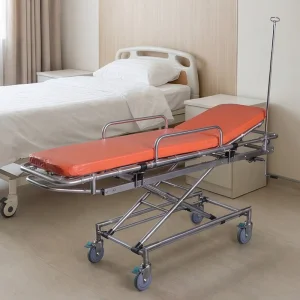
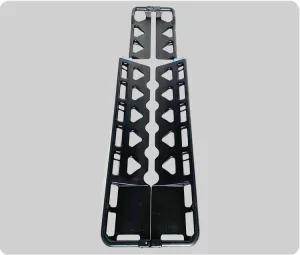
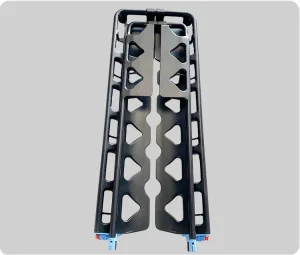
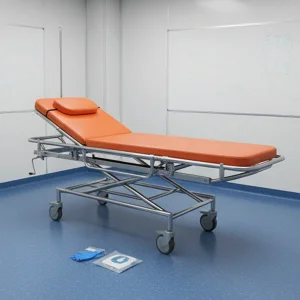
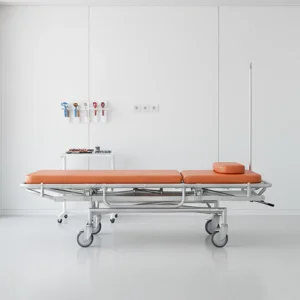
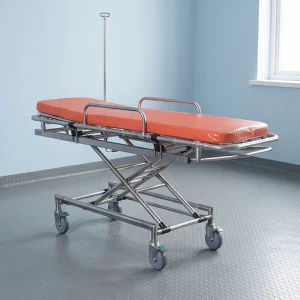
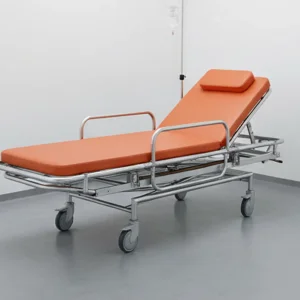
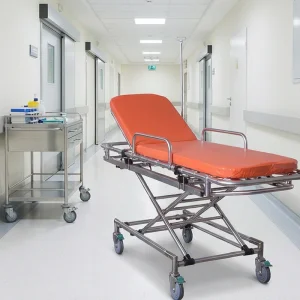
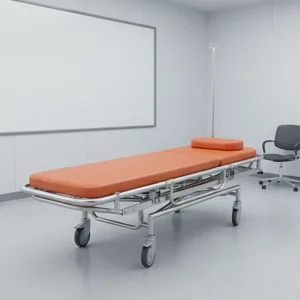
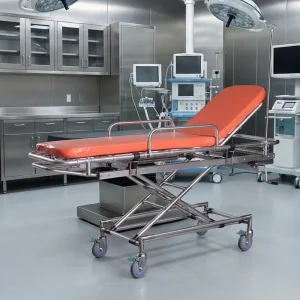
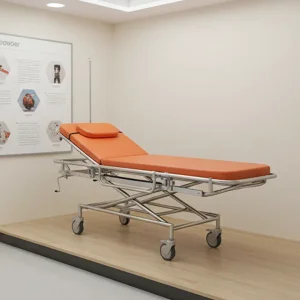
These four flagship non-magnetic stretchers are designed to withstand challenging tropical climates while offering absolute compatibility with high-tesla (1.5T & 3.0T) diagnostic systems.
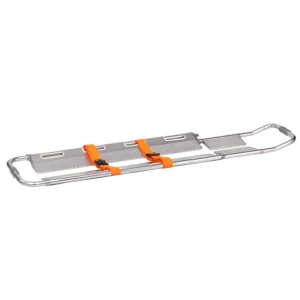
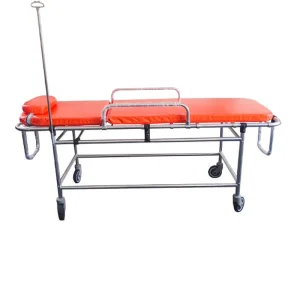
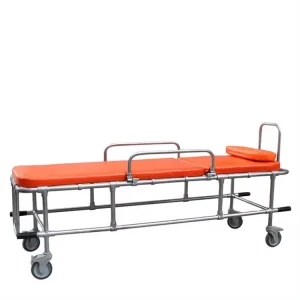
Deploying clinical-grade diagnostic machinery like Magnetic Resonance Imaging (MRI) scanners in remote archipelagic nations like Kiribati presents unique operational, logistical, and material engineering challenges. As the health system of Kiribati continues to expand medical services at central hubs like the Tungaru Central Hospital in South Tarawa, local clinical planners and international aid partners face severe challenges regarding equipment durability and medical safety.
Within the MRI suite, the main magnetic field (typically 1.5 Tesla or 3.0 Tesla in modern clinics) is always active. Bringing any ferromagnetic objects—such as standard steel hospital beds, oxygen cylinders, or basic emergency stretchers—into Zone IV (the magnet room) poses catastrophic risks. These items can become high-velocity projectiles, causing fatal injury to patients, personnel, and structural damage to the scanner costing hundreds of thousands of dollars.
Therefore, MRI compatible stretchers must be fabricated entirely from specialized materials including anodized aluminum, titanium, high-strength brass, structural plastics, or carbon fiber. These materials exhibit near-zero magnetic susceptibility, ensuring they do not experience translational attraction or torque when exposed to the intense spatial gradient magnetic fields surrounding the scanner bore.
Equipping medical facilities in Kiribati requires planning for the region's climate. The microclimate is characterized by high humidity, constant tropical warmth, and extreme airborne salinity. In Tarawa and outer islands, sea spray carries salt micro-particles across almost every building, accelerating galvanic corrosion on standard metals.
Cheap medical stretchers built with low-quality iron joints or poorly sealed aluminum alloys degrade rapidly under these conditions, causing structural failure, locked casters, and unsafe transfer platforms. Guangdong Jones Medical manufactures non-magnetic stretchers utilizing aerospace-grade non-magnetic aluminum alloys treated with thick, corrosion-resistant anodization coatings. This specialized chemical passivation ensures our stretchers resist oxidation and continue to operate smoothly for years in tropical, marine climates.
Internationally, the demand for non-magnetic equipment is rising. This growth is driven by the expansion of diagnostic suites, the introduction of ultra-high-field systems (such as 7.0T research systems), and strict adherence to patient safety regulations.
Traditional MR-conditional patient handling systems relied heavily on aluminum. While structurally sound, aluminum stretchers can be heavy and difficult to maneuver. The modern global market is transitioning toward carbon fiber composites, which deliver higher tensile strength than steel at a fraction of the weight, and are completely non-magnetic. Furthermore, carbon fiber composites do not generate significant eddy currents when moved rapidly within gradient magnetic fields, reducing electromagnetic interference during real-time scanning procedures.
Under the ASTM F2503 standard practice, medical devices are classified into three distinct categories:
All stretchers supplied by Guangdong Jones Medical to international and Kiribati health organizations undergo testing to confirm their MR Conditional status up to 3.0T, ensuring clinical teams can execute rapid transfers without risking safety.
When importing non-magnetic stretchers to Kiribati, check the following specifications:
Certified safe up to 1.5T and 3.0T MRI environments.
Anodized 6061-T6 Aluminum or Premium Carbon Fiber (Corrosion-free).
Completely non-magnetic composite polymer wheels with dual braking mechanisms.
Non-magnetic IV poles, specialized oxygen bottle holders, and security straps.
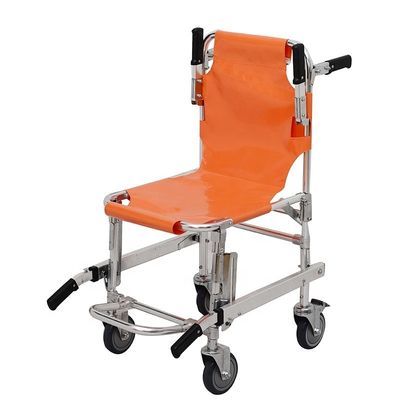
With years of industry experience, Guangdong Jones Medical Co., Ltd. has established itself as a leader in the production of high-quality medical equipment. Specializing in the design, development, and manufacturing of more than 100 different types of medical devices, the company is particularly well-known for its wide range of patient transport products, including stretchers, folding stretchers, shovel stretchers, stair stretchers, and ambulance stretchers.
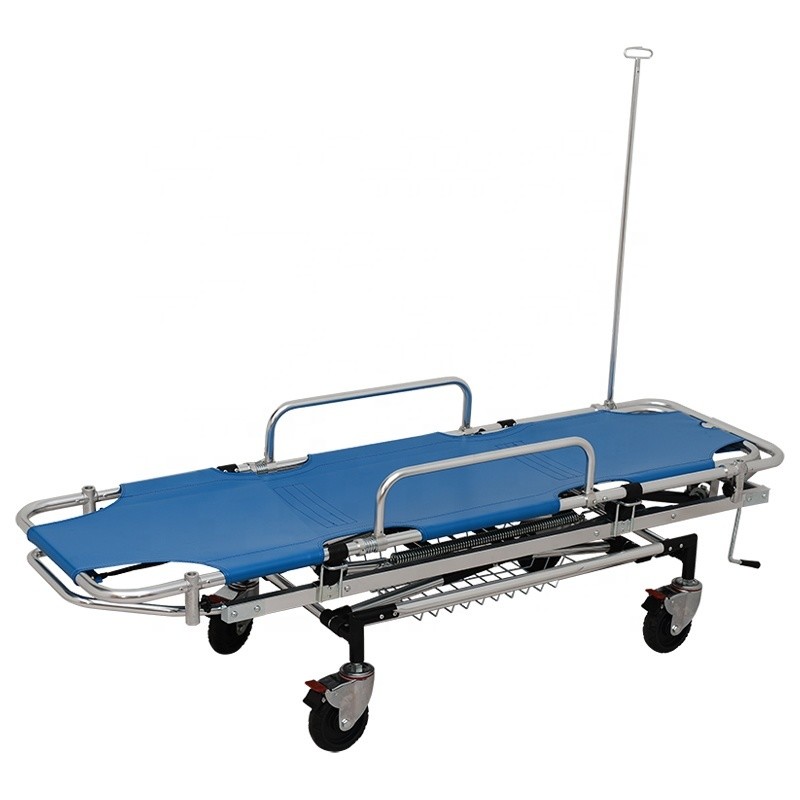
Our company’s commitment to innovation, rigorous quality standards, and customer satisfaction has allowed us to achieve significant recognition both domestically and internationally. Our highly skilled team and state-of-the-art manufacturing processes ensure that each product we produce is designed with the safety, comfort, and reliability of patients in mind.
We leverage the latest technological advancements in medical equipment manufacturing to produce durable and efficient products that meet the highest safety standards.
We are dedicated to ensuring every product undergoes strict quality control and testing to guarantee their reliability during patient transport.
Our products are trusted by healthcare professionals worldwide. With a robust international distribution network, we proudly export to over 50 countries, providing healthcare solutions to a global market.
Our diverse product range also includes specialized medical equipment such as orthopedic stretchers, electric stretchers, and custom-designed products tailored to the specific needs of hospitals, emergency services, and rescue operations.
At Guangdong Jones Medical Co., Ltd., we continue to strive for excellence, not only in product quality but also in the services we provide to our clients. Our aim is to contribute to improving patient care through innovative and reliable medical solutions.
At Guangdong Jones Medical Co., Ltd., quality control is at the core of everything we do. The safety of patients and the efficiency of medical professionals depend on the reliability of our products. Our Quality Control Specification for Medical Stretchers ensures that each stretcher meets stringent standards before it reaches our customers.
Each production batch slated for export to high-humidity, marine-salinity environments like South Tarawa and Kiritimati undergoes a series of testing procedures:
At Guangdong Jones Medical Co., Ltd., we believe in continuous improvement and invest heavily in R&D to keep up with the latest healthcare advancements. We are dedicated to providing reliable medical transport solutions that enhance patient safety and comfort.
Medical logistics in Kiribati differ fundamentally from landlocked or densely connected mainland geographies. Here, patient transfers involve multimodal transitions:
Transporting patients from outlying coral atolls to central referral diagnostic centers requires stretchers that can transition from small boats or transport aircraft directly to clinical wards without degradation from sea breezes and physical shocks.
Ensuring smooth, stress-free transfers from emergency rooms and intensive care wards directly into the high-field MRI scanner room. Our non-magnetic structures guarantee that patients do not need to be transferred across multiple beds, reducing clinical time and risk.
Find expert technical answers regarding MRI-conditional patient handling equipment deployment and performance.
Explore our complete range of certified patient transport solutions, engineered for hospital safety, emergency rescues, and clinical efficiency.
Specialty configurations built for emergency medical response, ambulance vehicles, and intensive diagnostic ward support.
Get in touch with our medical engineering specialists for tailored quotes, regulatory certifications, and logistics planning for hospital operations in Kiribati and the wider Pacific region.
Send Inquiry Now Jones Medical