Engineered to extreme durability standards, these patient transport and critical stabilization devices serve as the frontline safeguard in tactical, mountain, and clinical emergencies.
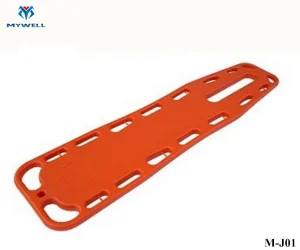
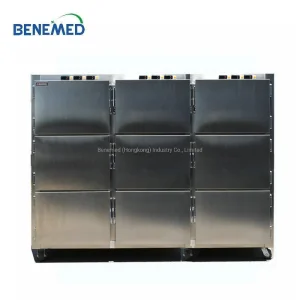
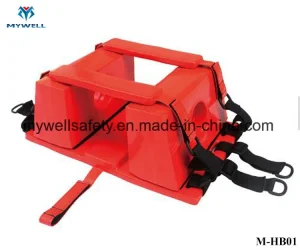
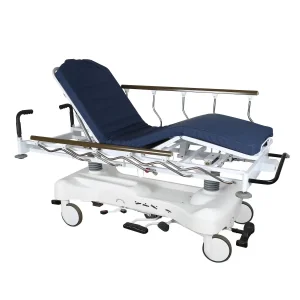
Examining the macroeconomic drivers, regulatory landscapes, and market dynamics shaping emergency response manufacturing.
The global emergency medical services (EMS) and outdoor rescue equipment market is witnessing an unprecedented expansion. Driven by a heightened frequency of natural disasters, rising participation in extreme adventure sports, and the modernization of military and municipal healthcare systems, procurement departments worldwide are prioritizing technical capability and extreme material resilience. Outdoor rescue equipment is no longer viewed merely as passive transport gear; it has transitioned into critical, active patient protection machinery designed to withstand environmental extremes.
According to industrial research, the global demand for disaster relief and emergency mobilization platforms is projected to grow significantly over the next decade. As international bodies and governmental disaster management organizations establish stricter safety compliance mandates, suppliers are forced to align their manufacturing operations with highly technical criteria. Sourcing agents must navigate a complex ecosystem of global suppliers, where distinction rests upon raw material certification, structural load integrity, and ergonomic adaptability in high-stress zones.
China has emerged as the global epicenter for medical and rescue manufacturing, bridging the gap between high-volume output and precision engineering. Modern factories, such as Guangdong Jones Medical Co., Ltd., have transitioned from traditional assembly shops to advanced R&D facilities utilizing automated robotic welding, high-density injection molding, and computerized stress-testing. This evolution enables Chinese suppliers to deliver equipment that meets the exacting standards of the European Union (CE), the United States (FDA), and global humanitarian organizations at highly competitive commercial scales.
How engineering innovations and materials science are redefining patient stabilization and transport safety.
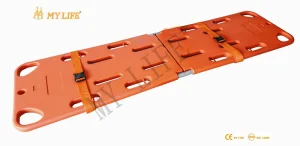
Traditional wooden and metal spine boards are rapidly being replaced by high-density polyethylene (HDPE) and ultra-lightweight carbon fiber. These materials optimize mechanical strength, prevent fluid absorption, and offer full X-ray, CT, and MRI compatibility.
EMS providers face high physical strain during patient handling. Incorporating advanced hydraulic actuators and high-capacity battery systems into stair chairs and transport stretchers drastically reduces user fatigue and lowers workplace injury rates.
Preventing cross-contamination is critical. Modern patient transportation equipment incorporates permanent antimicrobial additives directly into polymers, resisting harsh chemical decontamination protocols without material degradation.
Different terrain and environmental profiles require specialized mobilization architectures. Sourcing the correct device ensures optimal patient outcomes.
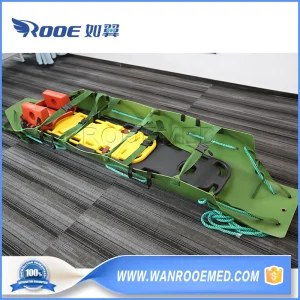
In rugged mountain rescues, equipment weight and packability are paramount. Standard rigid spine boards fail due to transport footprint limitations. High-performance roll rescue stretchers (like the Ea-11c plastic roll stretcher) solve this by rolling into compact backpacks. Once deployed, their high-tensile plastic wrap structure forms a rigid, protective cradle that allows horizontal or vertical hoisting via helicopter winch lines.
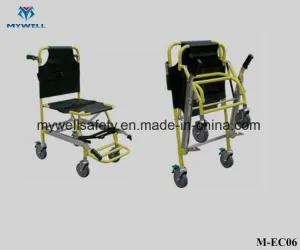
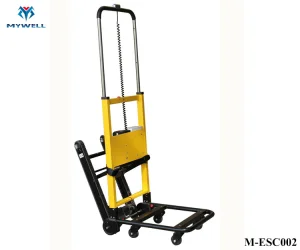
Narrow stairwells, non-operational elevators, and crowded high-rises represent standard urban rescue challenges. Traditional long stretchers cannot negotiate tight turns. Compact folding stair chairs, particularly electric motorized aluminum models, allow a single paramedic to safely guide patients down steep inclines without risking back strain or losing physical control of the patient.
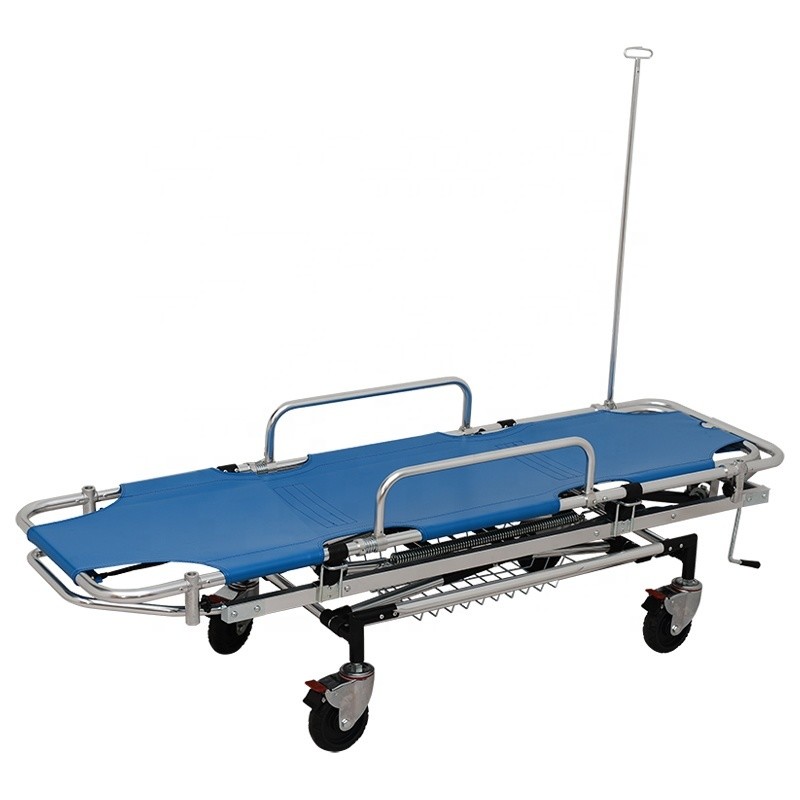
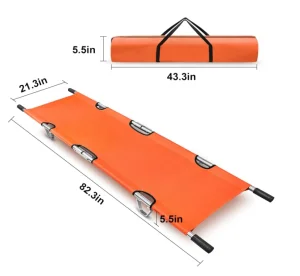
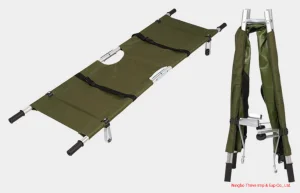
In multi-casualty events or active conflict zones, speed and rapid deployment are vital. Military-grade lightweight folding aluminum stretchers allow swift extraction. These systems must be chemical agent-resistant, simple to sanitize, and feature intuitive locking mechanisms to facilitate instantaneous transport by dual-operator teams.
The next frontier of medical transport: connected systems, IoT telemetry, and structural biomechanics.
Development of smart stretchers equipped with integrated weight scales, patient vitals tracking, and real-time telemetry streaming directly to incoming trauma centers via 5G networks. Sourcing agents will demand certified high-performance sensors integrated directly into composite stretcher frames.
Implementation of shear-thickening fluids within immobilization collars and mattress pads. These materials remain soft and comfortable during normal transport but instantly lock into rigid protective shells upon detection of shock, sudden impact, or acceleration spikes.
Collaborative robotic assist structures integrated into portable terrain stretchers. Utilizing motorized track systems and computerized balance control, these platforms will actively assist field personnel in traversing steep rocky landscapes with minimal physical effort.
Streamlining supply chain logistics, product customization, and multi-tier quality compliance for global distributors.
Sourcing commercial-grade medical transport apparatus at scale requires more than just transactional ordering; it demands comprehensive alignment on compliance, certification, and customization. Large-scale municipal contracts, hospital groups, and humanitarian NGOs require robust quality assurance guarantees to mitigate operational and legal risks. Working with a vertically integrated supplier in China simplifies this process, providing end-to-end management from custom industrial design to international customs clearance.
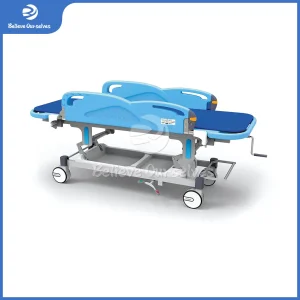
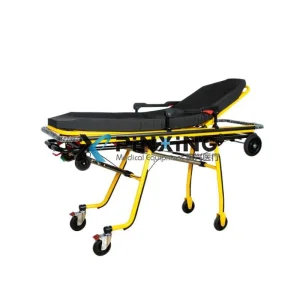
A key factor in successful procurement is customization. Suppliers must possess the tooling capability to modify structural dimensioning, primary frame colors, belt attachment points, and load-limit metrics. Whether tailoring a hydraulic Rise-and-Fall stretcher to accommodate localized clinical weight averages or applying specific branding elements for national emergency fleets, flexible OEM/ODM manufacturing processes ensure exact product delivery.
Furthermore, navigating regulatory standards is non-negotiable. Leading Chinese manufacturers secure ISO 13485 (Medical Devices Quality Management Systems), FDA registration, and CE certification for all transport platforms. A reliable partner manages the generation of Declaration of Conformity documents and ensures all materials comply with REACH and RoHS standards, protecting distributors from customs delays and administrative bottlenecks.
A premier Chinese manufacturer specializing in advanced patient mobilization and emergency transport systems.
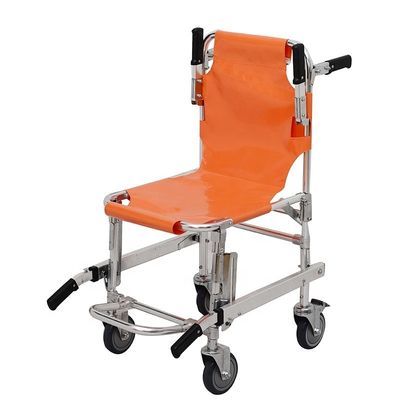
With years of industry experience, Guangdong Jones Medical Co., Ltd. has established itself as a leader in the production of high-quality medical equipment. Specializing in the design, development, and manufacturing of more than 100 different types of medical devices, the company is particularly well-known for its wide range of patient transport products, including stretchers, folding stretchers, shovel stretchers, stair stretchers, and ambulance stretchers.
Our company’s commitment to innovation, rigorous quality standards, and customer satisfaction has allowed us to achieve significant recognition both domestically and internationally. Our highly skilled team and state-of-the-art manufacturing processes ensure that each product we produce is designed with the safety, comfort, and reliability of patients in mind.
At Guangdong Jones Medical Co., Ltd., we continue to strive for excellence, not only in product quality but also in the services we provide to our clients. Our aim is to contribute to improving patient care through innovative and reliable medical solutions.
Why structural safety engineering is the foundational element of the Jones Medical production methodology.
At Guangdong Jones Medical Co., Ltd., quality control is at the core of everything we do. The safety of patients and the efficiency of medical professionals depend on the reliability of our products. Our Quality Control Specification for Medical Stretchers ensures that each stretcher meets stringent standards before it reaches our customers.
Our quality protocol encompasses extensive physical and chemical evaluations. To guarantee reliable performance in diverse environments, each batch undergoes strict stress-testing: Static Load Tests evaluate frame structural load limits, Dynamic Drop Impact Tests confirm lock mechanism integrity during abrupt drops, and Fatigue Cycling Tests verify the operational life expectancy of folding hinges.
Additionally, we utilize advanced salt-spray chambers to simulate humid coastal climates and heavy rainfall scenarios, confirming that our aluminum frames and powder-coated finishes resist corrosion. By maintaining these rigorous standards, we ensure that every device leaving our facility delivers dependable performance in critical field situations.
At Guangdong Jones Medical Co., Ltd., we believe in continuous improvement and invest heavily in R&D to keep up with the latest healthcare advancements. We are dedicated to providing reliable medical transport solutions that enhance patient safety and comfort.
Expert technical answers regarding sourcing, certifications, materials, and international logistics.
Browse our extended catalog of professional patient transfer, specialized hospital beds, and clinical morgue apparatus.
 Jones Medical