In 2026, ambulance teams need stretchers that are strong, light, and ready for difficult calls. A stretcher may cross wet pavements, narrow hallways, steep ramps, and crowded emergency departments within minutes. Its material can influence lifting effort, cleaning routines, patient movement, and long-term maintenance.
Why are aluminum stretchers preferred over steel in ambulances? The main reason is weight. Aluminum designs can reduce carrying strain while supporting dependable patient handling. Crews may notice the difference when lifting a patient into an ambulance or turning through a tight doorway. Aluminum also resists rust better than ordinary steel, especially after repeated exposure to disinfectants, moisture, and road salt. That matters.
EMS physician and educator Dr. Bryan Bledsoe has expressed a practical equipment principle: “The best medical equipment supports patient care without creating extra risk for the crew.” This view fits modern stretcher selection. Lower weight can improve maneuverability, yet strength must never be treated as optional. Aluminum can dent under severe impact, and premium models may cost more. Steel can still offer excellent durability in demanding environments.
The choice is not automatic. It requires inspection.
A reliable 2026 ambulance stretcher should combine an aluminum frame with secure locking systems, smooth casters, adjustable back support, and easy-clean surfaces. Field experience also matters. A model that feels light in a showroom may behave differently on uneven ground. Buyers should compare load ratings, corrosion protection, warranty coverage, and crew feedback before deciding. The best stretcher is not simply the lightest one. It is the one that protects patients, supports responders, and performs consistently when conditions become difficult.
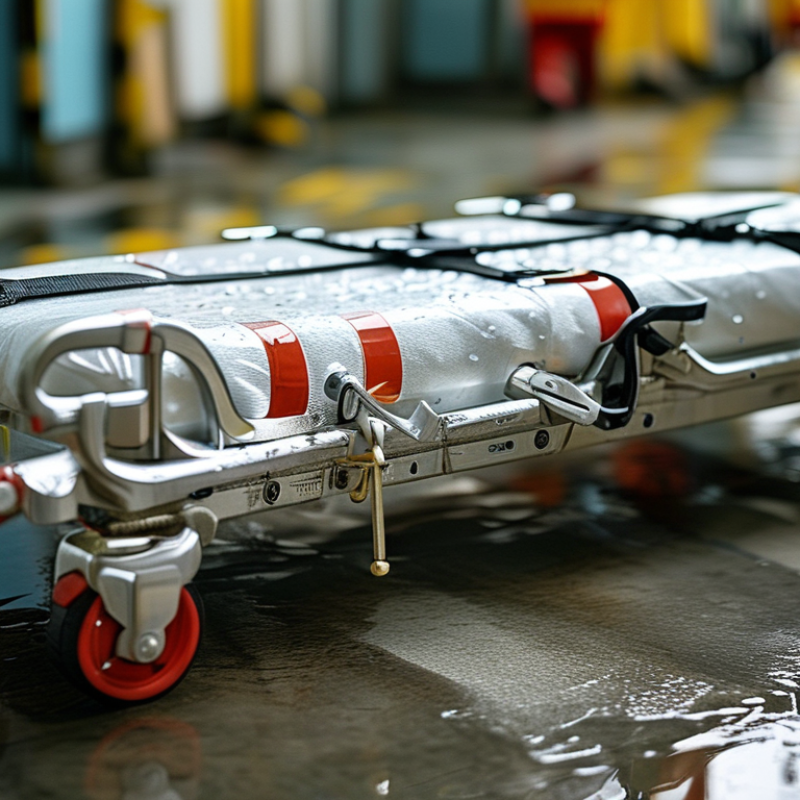
Aluminum ambulance stretchers are wheeled patient transport devices with lightweight metal frames. Aluminum provides useful strength without the mass of many steel designs. This difference matters when crews lift, guide, and load a patient repeatedly during a shift.
The stretcher usually includes a mattress, safety straps, adjustable back support, side rails, and folding legs. Some models also use height adjustment and locking wheels. During use, trained responders transfer the patient onto the mattress and secure the chest, hips, and legs. The wheels support movement across hospital floors, while the folding frame allows controlled loading into an ambulance. A locking mechanism must engage before transport begins.
Small details affect real performance. Smooth wheels help over uneven thresholds. Clear release handles reduce confusion near the vehicle. A frame that feels light may still require two trained operators, especially with a heavier patient. Never assume “lightweight” means effortless.
Regular checks are essential. Staff should inspect straps, wheel movement, frame joints, and locking points before use. Aluminum can resist corrosion, but it is not damage-proof. A bent rail or loose fastener may be easy to overlook after a hard impact. Cleaning instructions also matter, because unsuitable chemicals can weaken surfaces or shorten component life. One practical lesson remains: the best stretcher is not merely light; it must fit the crew, ambulance, patient, and working environment.
The best aluminum ambulance stretchers balance low weight, rigidity, and dependable handling. Aluminum resists corrosion, which matters after repeated cleaning and exposure to moisture. It also supports a lighter frame than many steel alternatives. Weight matters. In crowded scenes, crews must lift, steer, and load patients quickly. WHO’s Global Status Report on Road Safety 2023 reports about 1.19 million annual road deaths worldwide. Reliable transport equipment therefore supports a wider emergency-care system, not merely vehicle storage.
Key features begin with a strong, adjustable frame and secure locking points. A multi-position backrest can improve breathing comfort and clinical access. Telescoping legs, large swivel wheels, and positive wheel locks help crews manage uneven pavements. A washable mattress should resist fluid absorption and keep its shape. Restraint systems need clear adjustment and firm attachment points. EN 1865-1 performance requirements provide a useful reference for patient transport equipment, although buyers should verify current compliance documentation.
Field experience also shows that small details matter. Handles should remain comfortable with gloves. Latches must work without excessive force. Compatibility with ambulance loading systems deserves careful measurement. NIOSH safe patient-handling guidance favors engineering controls that reduce manual lifting, but no stretcher removes every risk. That limitation deserves honest attention. A lighter stretcher may improve handling, yet poor wheel design can still increase strain. Buyers should test loaded movement, brake performance, cleaning routines, and repeated folding before approval. Confidence comes from documented testing, trained crews, and realistic trials.
In 2026, aluminum ambulance stretchers remain preferred for emergency transport because they balance strength, weight, and daily usability. Their lightweight frames help crews move patients through narrow hallways, stairwells, and uneven ground. Every kilogram matters during a rushed transfer. Aluminum also resists rust when properly finished and maintained. This supports repeated cleaning between patients, which is essential for safe clinical practice.
Paramedics value predictable handling. A well-designed stretcher should lock securely, fold smoothly, and support stable patient positioning. Aluminum frames can provide reliable rigidity without making the stretcher unnecessarily heavy. That difference becomes clear when two or more responders lift a patient beside an ambulance. Less strain may improve teamwork and reduce handling mistakes. Padding, restraint systems, wheel quality, and adjustable height remain equally important. The frame alone does not determine transport safety.
Still, aluminum is not perfect. Dents, loose joints, damaged wheels, or worn restraints require immediate inspection. Some lightweight models may feel less solid under demanding conditions. Cleaning agents can also damage surfaces when used incorrectly. A responsible purchasing decision should compare load capacity, maintenance records, training needs, and local emergency procedures. The cheapest stretcher may create hidden costs later. Real-world performance depends on disciplined checks, careful handling, and honest feedback from the crews who use the equipment.
Aluminum has a density of approximately 2.70 g/cm³, compared with about 7.85 g/cm³ for carbon steel and 7.90 g/cm³ for stainless steel. For the same material volume, an aluminum frame can therefore be substantially lighter, helping emergency teams move and load stretchers more efficiently.
Reference values represent typical material densities at room temperature. Actual stretcher weight depends on frame design, dimensions, accessories, and load capacity.
Choosing the right aluminum ambulance stretcher starts with the real call environment, not a glossy specification sheet. The World Health Organization’s Global Status Report on Road Safety 2023 records about 1.19 million road deaths annually. That pressure demands equipment that works quickly and repeatedly.
Check the stretcher’s verified load capacity, folded height, wheel stability, and locking points. Aluminum usually reduces handling weight, but a lighter frame is not automatically safer. Test it with gloves, uneven flooring, and a loaded mattress. Small failures become serious during rushed transfers. They happen.
NASEMSO’s National EMS Assessment highlights how response conditions and available resources vary across emergency services. Therefore, confirm compatibility with your ambulance floor system, loading height, restraint layout, and available storage. Review EN 1865 requirements or other applicable standards, then request documented test results. Ask how joints, wheels, and fasteners resist corrosion and repeated cleaning. A stretcher can look excellent and still age poorly. Include staff training, inspection intervals, replacement parts, and total lifecycle cost in the decision. Field feedback matters more than an impressive brochure.
Aluminum ambulance stretchers remain popular because they combine low weight with dependable structural strength. In daily emergency work, every kilogram affects lifting, loading, and staff fatigue. A lighter stretcher can support smoother transfers when space is tight or surfaces are uneven. However, weight alone should never guide a purchase. Check the rated load, locking system, side rails, wheel stability, and compatibility with the ambulance floor. Small details matter.
Aluminum also resists rust better than ordinary steel, but it is not maintenance-free. Dried disinfectant, road salt, and bodily fluids can damage finishes and moving parts over time. After each use, trained staff should clean contact surfaces, dry joints, and inspect fasteners. Look closely at welds, hinges, castors, straps, and locking pins. A frame may appear clean while a worn wheel creates serious handling problems. That risk is easy to underestimate.
Tips: Follow the maker’s inspection schedule and record repairs. Test the stretcher on a level surface before service. Replace damaged straps promptly. Avoid harsh chemicals unless approved for aluminum and medical equipment. Keep moving parts clean, but do not over-lubricate them. Aluminum can dent after impact, even when the damage seems minor. A qualified technician should assess unusual bending, noise, or resistance. In practice, maintenance records often reveal a weakness before staff notice it. Recognize that equipment is never perfect. Regular review protects both patients and crews.
They combine low weight, rigidity, and corrosion resistance. Weight matters during lifting and loading. However, lighter does not always mean safer.
Look for adjustable sections, secure locking points, and a multi-position backrest. The frame should remain stable under its rated load. Test every lock.
Large swivel wheels can move across uneven pavement more smoothly. Positive wheel locks should hold firmly. A poor wheel design can increase staff strain.
It should resist fluid absorption and keep its shape after repeated cleaning. Inspect seams and edges closely. Small tears can become larger problems.
Straps need clear adjustment and firm attachment points. Staff should fasten them while wearing gloves. Loose or damaged straps require prompt replacement.
Yes. Aluminum resists rust, but dried disinfectant, road salt, and fluids can damage joints. Clean, dry, and inspect the stretcher after each use.
Check welds, hinges, castors, straps, fasteners, and locking pins. Listen for unusual noise. A clean frame can hide a worn wheel.
Measure the ambulance floor and loading system carefully. Test loaded movement, braking, folding, and repeated transfers. Realistic trials reveal weaknesses.
No stretcher removes every risk. A lighter frame may reduce effort, but poor technique or uneven ground can still cause strain. That limitation matters.
Keep inspection, cleaning, repair, and replacement records. Follow the recommended inspection schedule. Maintenance notes may reveal problems before staff notice them.
Aluminum ambulance stretchers are lightweight, durable patient-transport devices designed to support safe lifting, loading, and movement during emergency care. In 2026, the best models combine strong aluminum frames with adjustable backrests, secure locking systems, safety restraints, smooth wheels, and easy-folding structures. Their design helps medical teams transfer patients efficiently while maintaining comfort, stability, and control in demanding environments.
Why are aluminum stretchers preferred over steel in ambulances? Aluminum offers an excellent balance of strength and low weight, helping reduce lifting strain, improve vehicle handling, and support faster emergency response. It also resists corrosion and is relatively easy to clean and maintain. When choosing a stretcher, users should consider weight capacity, dimensions, folding mechanisms, wheel performance, locking reliability, patient comfort, and compatibility with ambulance interiors. Regular inspections, cleaning, lubrication, and prompt replacement of worn components can improve safety and extend service life, making aluminum stretchers a practical long-term investment for emergency transport.

Jones Medical