In emergency medical services, understanding the weight capacity of equipment is crucial. The question, *What is the weight capacity of a standard ambulance stretcher?* is often overlooked, yet it carries significant implications for patient care. According to industry expert Dr. Emily Roth, a renowned paramedic and educator, "The stretcher must safely support both the patient and medical equipment during transport."
Standard ambulance stretchers typically have a weight capacity ranging from 650 to 800 pounds. This is essential for accommodating a variety of patients, including those with severe obesity. Recent studies show that over 40% of ambulance calls involve patients exceeding typical weight limits. This statistic highlights the critical need for stretchers designed to handle higher weights.
Furthermore, choosing the right stretcher involves more than just weight limits. It includes considering patient comfort and safety during transport. Some stretchers may lack adequate support features, causing potential risks during patient handling. Addressing these concerns is fundamental for training paramedics and ensuring effective emergency care. The conversation surrounding what constitutes a standard ambulance stretcher must evolve to reflect the diverse needs of the population it serves.
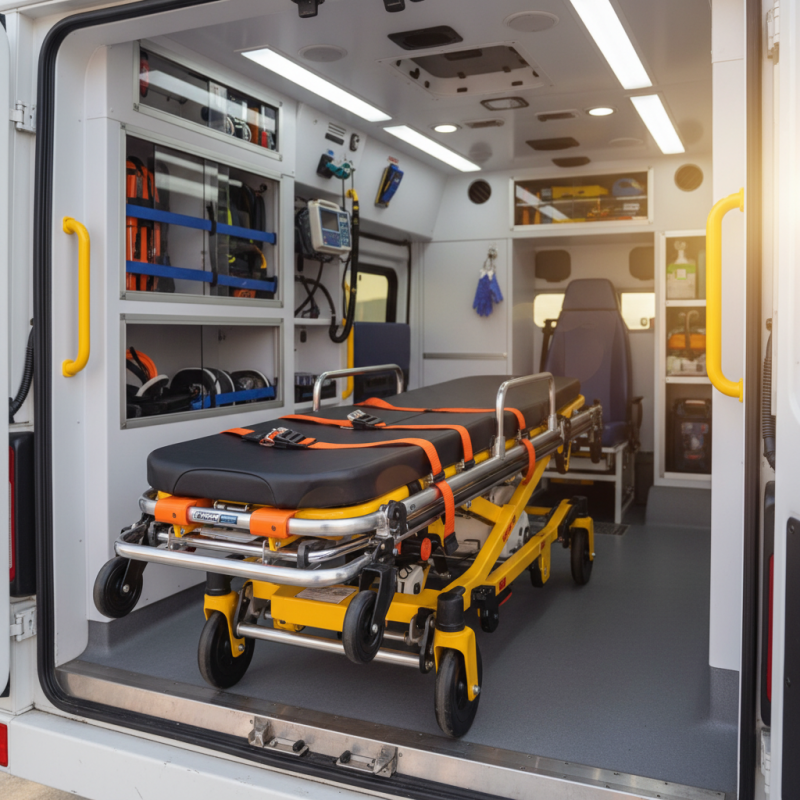
Definition of Standard Ambulance Stretcher and Its Purpose
A standard ambulance stretcher is designed to transport patients safely and efficiently. It is a critical piece of equipment in emergency medical services. Typically, stretchers have a length of about 6 to 7 feet and a width ranging from 24 to 26 inches. This size allows them to fit into the confined space of an ambulance while accommodating most patients.
The weight capacity of a standard ambulance stretcher generally ranges from 400 to 700 pounds, depending on the model. This capacity ensures that the stretcher can support a variety of patients, including those with higher body weights. It is essential for medical personnel to be aware of this limit, as exceeding it can compromise safety. Proper training on handling stretchers is also necessary to avoid accidents and injuries.
While stretchers are reliable, challenges can arise. Some patients may not fit comfortably, causing stress for the crew. Transporting larger individuals may require additional considerations. In such cases, stretcher accessories or different transport methods may be necessary. Reflecting on these factors helps improve emergency responses and patient care.
Typical Weight Capacity of Standard Ambulance Stretchers
When assessing ambulance stretchers, weight capacity is crucial for patient safety and care. Standard ambulance stretchers typically have a weight capacity ranging from 250 to 700 pounds. According to a report by the National Association of Emergency Medical Technicians, stretcher limitations can impact emergency response times and patient handling.
Many stretchers are designed to accommodate various patient sizes and conditions. However, operational guidelines highlight that exceeding the weight limit can compromise the stretcher's functionality. It's vital for EMTs to regularly check weight limits and ensure compliance. This helps prevent accidents and enhances patient care.
Tips: Always verify the patient's weight before loading onto a stretcher. Engage additional personnel for heavier patients to maintain safety. Regular training on using stretchers within their weight limits can also improve efficiency. Understanding the importance of weight capacity is essential for all emergency medical responders.
Factors Influencing Stretcher Weight Capacity
When considering the weight capacity of a standard ambulance stretcher, several factors come into play. Typically, standard stretchers support up to 650 pounds. However, this figure can vary widely based on design and materials. For instance, some stretchers use lightweight aluminum frames, while others utilize reinforced steel for enhanced durability.
The design of the stretcher plays a crucial role. Width, length, and overall structure significantly affect capacity and stability. Reports show that wider stretchers can distribute weight more effectively, lessening the risk of malfunction. Additionally, adjustable features allow paramedics to accommodate patients of varying sizes, further affecting capacity considerations.
Patient safety is paramount. Overloading an ambulance stretcher can lead to accidents, risking both the patient and healthcare staff. Research indicates that approximately 30% of stretcher incidents involve weight-related issues. It is vital to adhere strictly to manufacturer guidelines for safety. Nonetheless, the variability in patient conditions often complicates compliance with these recommendations.
Comparison of Different Types of Ambulance Stretchers
When comparing different types of ambulance stretchers, it’s important to consider their weight capacities. Standard ambulance stretchers typically support a maximum load of 650 pounds. This capacity accommodates most adult patients comfortably. However, some specialized stretchers exist, designed for heavier individuals, able to handle loads exceeding 800 pounds.
Different stretcher designs also affect functionality. For instance, bariatric stretchers are wider and often reinforced with additional materials. These stretchers can be challenging to maneuver in narrow spaces. Research indicates that while designed for heavier patients, they often face limitations in transport efficiency.
Certain lightweight models prioritize portability and ease of use, making them suitable for emergency situations. Yet, they usually support less weight, around 500 pounds. This creates a trade-off between portability and capacity. Emergency services must balance these factors, evaluating patient demographics and transport needs. This highlights areas for improvement in stretcher design and weight management strategies in medical transport.
Safety Standards and Regulations for Stretcher Weight Limits
When considering the weight capacity of a standard ambulance stretcher, safety standards play a crucial role. Most stretchers are designed to safely support patients weighing up to 500 pounds. This limit aligns with the guidelines from various health organizations, ensuring both patient safety and crew efficiency.
Regulations often dictate that stretchers undergo regular testing. This testing checks for structural integrity, weight tolerance, and overall functionality. Medical professionals need to verify that the equipment adheres to these standards. However, it is not uncommon for equipment to be outdated or improperly maintained. This raises concerns about reliability during emergencies.
Moreover, situational factors can affect a stretcher's performance. The weight distribution of a patient can impact the stretcher's stability. Additional equipment, like oxygen tanks, may also add weight. These complications can lead to challenges in tight spaces. Medical personnel must continuously review their practices, ensuring their equipment is ready and compliant.
What is the weight capacity of a standard ambulance stretcher? - Safety Standards and Regulations for Stretcher Weight Limits
| Type of Stretcher |
Weight Capacity (lbs) |
Regulatory Standard |
Typical Use Case |
| Standard Ambulance Stretcher |
500 |
NFPA 1917 |
Base ambulance service |
| Bariatric Stretcher |
1000 |
ISO 11199-2 |
Obesity care |
| Pediatric Stretcher |
250 |
ASTM F1604 |
Pediatric emergencies |
| Scoop Stretcher |
300 |
EN 1865 |
Trauma situation |
| Vacuum Splint Stretcher |
400 |
ISO 13485 |
Spinal immobilization |
FAQS
: The weight capacity usually ranges from 250 to 700 pounds.
Weight capacity impacts patient safety and affects emergency response times.
EMTs should regularly check weight limits and engage more personnel for heavier patients.
Yes, regulations require regular testing for structural integrity and weight tolerance.
Patient weight distribution and additional equipment like oxygen tanks can impact stability.
Regular checks are essential, as equipment can become outdated or improperly maintained.
Training helps improve efficiency and ensures compliance with weight limits.
Yes, outdated or poorly maintained equipment can raise concerns about reliability.
Engage additional personnel and verify weight before loading the stretcher.
Added weight and stability issues may complicate maneuvering in confined areas.
Conclusion
The article "What is the weight capacity of a standard ambulance stretcher?" explores the essential aspects of ambulance stretchers, including their definitions and intended purposes. Typically, standard ambulance stretchers are designed to accommodate a weight capacity ranging from 400 to 800 pounds, depending on the model and manufacturer.
Various factors influence this weight capacity, including materials, design, and safety standards. Additionally, the article compares different types of ambulance stretchers to highlight their specific uses and weight limits. Understanding these parameters is crucial for ensuring patient safety and compliance with relevant regulations, thereby ensuring effective emergency care.

 Jones Medical