When it comes to emergency medical situations, having a reliable and safe folding stretcher can make all the difference. So, what are the safety features to look for in a folding stretcher? Knowing these features helps ensure effective patient transport and minimizes risk.
A high-quality folding stretcher should offer solid construction. Reinforced materials can support various weights and withstand demanding conditions. Additionally, look for secure locking mechanisms that help prevent accidental folding during use. Stability is crucial, so ensure the stretcher has wide feet or wheels. These features will enhance safety and prevent unexpected tipping.
Moreover, comfort is just as important. Padding and ergonomic designs contribute to patient well-being. Straps and restraints should be adjustable, keeping patients secure without discomfort. Often, those in emergencies express anxiety. The right stretcher can ease their worries and improve the overall experience. We must consider all these aspects carefully to choose the best folding stretcher.
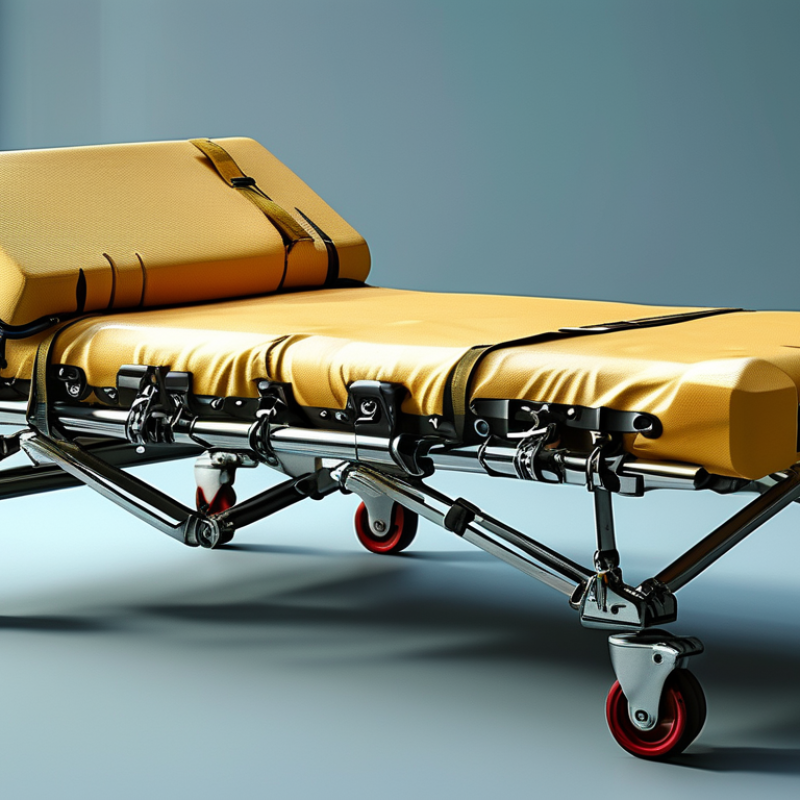
When selecting a folding stretcher, structural design elements play a critical role in safety and usability. A strong metallic frame ensures durability. Lightweight materials should be used for ease of transportation. Consider the design of the wheels; they should be robust and provide smooth mobility on various surfaces. Locking mechanisms need to be simple yet effective. Complexity can lead to user error during critical moments.
Another important aspect is the padding. Quality cushioning can significantly enhance patient comfort. It should conform to the body shape while offering adequate support. The fabric used for the stretcher cover must be both breathable and easy to clean. A non-slip strip on the surface will help prevent accidental slips. These details contribute to overall stability and can prevent mishaps during transfers.
In addition to design, evaluate how well the stretcher folds. A compact design is advantageous for storage and transport. However, it should not compromise structural strength. Look for hinges and joints that appear sturdy but are easy to manipulate. Repairability is also a factor; easily accessible parts can extend the stretcher's lifespan. Each of these elements requires careful consideration to maintain safety.
When selecting a folding stretcher, safety features for patient restraint and stabilization are crucial. These features ensure the patient's security during transport. Look for adjustable straps that can accommodate different body sizes. They should be easy to secure and release, allowing for quick response in emergencies.
Consider the stretcher's material as well. A sturdy yet lightweight frame is essential. This balance enables safe maneuvering without compromising strength. Non-slip surfaces also significantly enhance stabilization, reducing the risk of falls or slips while in transit.
Tip: Always check the locking mechanisms before use. They should be reliable and tested for durability. Inspect the stretcher periodically to ensure that all components function properly. Proper maintenance can prevent unexpected failures.
Another important feature is the padding on the stretcher. Sufficient cushioning protects the patient from discomfort or injury during transport. Look for a design that distributes weight evenly and minimizes pressure points.
Tip: Use protective covers when possible. This can safeguard against contamination and ensure patient comfort. Be mindful that even small wear can compromise safety and effectiveness. Regular inspection is key to maintaining high standards.
When selecting a folding stretcher, understanding weight capacity is crucial. The weight limit determines the stretcher's safety during emergencies. A stretcher with inadequate capacity may risk injury to both the patient and the caregiver. It creates instability, especially in high-pressure situations. Caregivers need to trust their equipment.
Choosing a stretcher should factor in various body types. The average person might not exceed 200 pounds, but some do. An extra margin is wise. Additionally, certain models may not clearly display weight capacities. This ambiguity can lead to dangerous assumptions. Therefore, always verify specifications from reliable sources before making decisions.
Consider real-world scenarios. Inadequate weight limits hinder transport and can lead to failures. A stretcher designed for 300 pounds can't support a 350-pound individual effectively. These moments create ethical dilemmas and undermine trust in emergency services. This pressure highlights the importance of rigorous standards in stretcher design. Each choice should reflect a commitment to safety and reliability.
When assessing the durability of materials used in folding stretchers, several factors come into play. High-quality stretchers often use reinforced fabrics that resist wear and tear. Look for materials that can withstand harsh conditions, such as UV exposure and moisture. These aspects are vital, especially in emergency situations. However, some materials may not perform well under extreme temperatures. This inconsistency needs careful consideration.
Ease of cleaning is another crucial factor. A stretcher that can be quickly sanitized saves time during emergencies. Consider materials that are stain-resistant and can be wiped down easily. Some fabrics trap dirt and bacteria, making cleaning difficult. Regular maintenance can reveal weaknesses in these materials. It’s essential to choose options that balance durability with hygienic needs. Keep in mind, flexible materials might be easier to store but can also wear out faster.
| Feature | Durability Rating | Ease of Cleaning | Weight Capacity | User Feedback |
|---|---|---|---|---|
| Material Strength | High | Easy | 350 lbs | Excellent |
| Strap Security | Very High | Moderate | 400 lbs | Good |
| Foldability | Medium | Very Easy | 300 lbs | Average |
| Weight | Low | Easy | 350 lbs | Good |
| Non-Slip Features | High | Moderate | 450 lbs | Very Good |
When selecting a folding stretcher, a focus on visibility and emergency features is crucial. Enhanced visibility can significantly impact emergency situations. Research shows that around 60% of accidents occur in low-light conditions. Incorporating reflective strips and bright colors can boost night-time visibility by over 70%. This is particularly important for medical personnel who operate in challenging environments.
Emergency use demands practical design elements. A folding stretcher should allow for quick deployment, especially in high-pressure situations. Easy-to-use latches and lightweight materials speed up the process of preparing for transport. Statistics indicate that effective communication during emergencies can reduce response time by up to 30%. Integrating bright emergency signals or sound devices on stretchers could further enhance safety, alerting others in the vicinity.
Consideration of these innovative features is essential for manufacturers. Despite advancements, many current models still lack adequate visibility solutions. Continuous improvement in design must prioritize not only aesthetics but also functionality. Addressing these gaps can save lives and enhance efficiency during critical moments. Reflective materials and intuitive setups may prove vital in preserving the safety of both the patient and responder.
: A strong metallic frame, lightweight materials, and robust wheels are essential for safety and usability.
Quality cushioning should conform to the body shape and provide adequate support during transport.
A compact design aids storage but must maintain strength; sturdy yet easy-to-use hinges are key.
Adjustable straps, non-slip surfaces, and reliable locking mechanisms ensure secure transport for various body sizes.
Reflective strips and bright colors can increase visibility, significantly reducing risks in low-light conditions.
Periodic checks prevent unexpected failures and maintain performance, ensuring patient and responder safety.
Quick deployment and easy-to-use latches are critical; effective communication can also reduce response time.
A lightweight yet sturdy frame improves maneuverability while preventing slips, promoting overall stability.
Protective covers safeguard against contamination and enhance patient comfort during transport.
When considering a folding stretcher, it's vital to ask, "What are the safety features to look for in a folding stretcher?" Several key structural design elements play a significant role in ensuring patient safety during transport. Essential features include effective patient restraint systems that stabilize the individual while minimizing the risk of further injury. Additionally, a stretcher’s weight capacity is crucial for safety; it must accommodate various patient sizes without compromising structural integrity.
Moreover, evaluating the durability of materials used in the stretcher’s construction is important, as well as their ease of cleaning, which impacts hygiene standards. Innovative features like reflective surfaces or built-in lighting enhance visibility during emergencies, making a stretcher not only efficient but also safer in low-light situations. By focusing on these attributes, caregivers can select a folding stretcher that prioritizes patient safety and enhances overall care quality.

Jones Medical