Top 5 Materials for Heavy Duty Rescue Stretchers?

Time:2026-06-16 Author:Ethan
0%

When it comes to emergency response, the quality of equipment can make a difference. A rescue stretcher is crucial for transporting injured individuals safely. The choice of materials significantly affects durability, weight, and performance. So, what materials are best for heavy-duty rescue stretchers?

High-quality materials not only enhance the stretcher’s strength but also ensure reliability in challenging conditions. For instance, aluminum provides a lightweight yet sturdy option. It can withstand rigorous use in various environments. On the other hand, materials like nylon are favored for their water resistance and ease of cleaning. However, not all nylon fabrics offer equal protection and strength.

It’s essential to reflect on potential shortcomings. Some materials may seem ideal but falter under extreme conditions or prolonged use. Understanding the strengths and weaknesses of each option is vital for rescue professionals. Choosing the best materials can ultimately impact the effectiveness and safety of rescue operations.
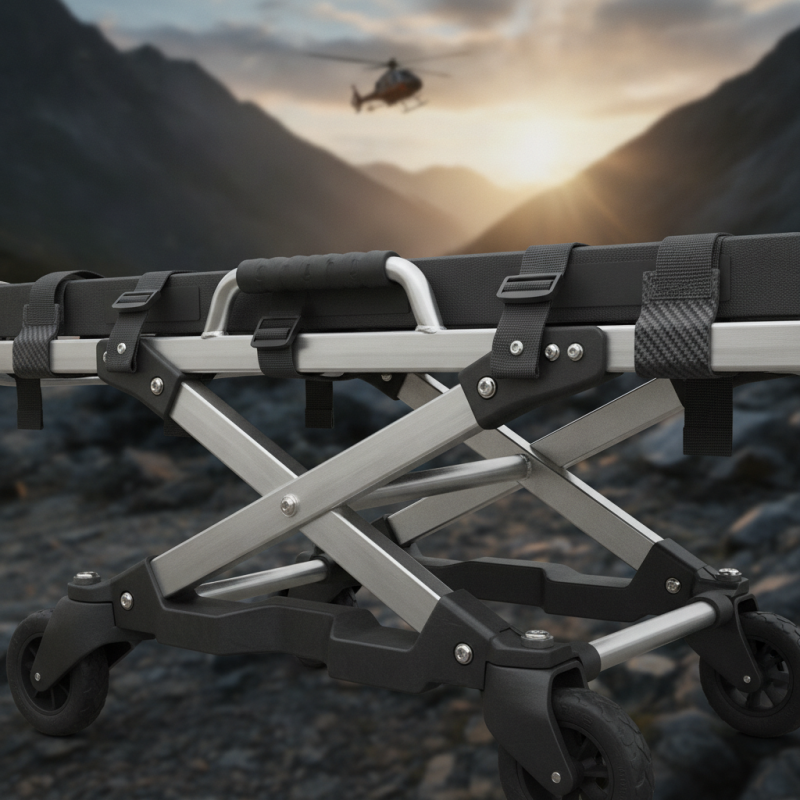
Top 5 Materials for Heavy Duty Rescue Stretchers?

Overview of Heavy Duty Rescue Stretchers

When it comes to heavy duty rescue stretchers, material choice is critical. The right materials enhance safety and reliability. Fire-resistant fabrics, for example, can withstand extreme conditions. These materials are often tough, allowing the stretcher to endure harsh environments. Lightweight yet durable alloys provide strength without adding excess weight, facilitating easier transport. Strong stitching is also crucial, as it reinforces seams that bear significant stress.

Another consideration is water-resistant fabric. This feature keeps patients dry during rain or other adverse weather. Reinforced handles made from robust materials ensure a secure hold for rescue personnel, helping in lifting and maneuvering the stretcher effectively. Reflective strips are equally important, enhancing visibility in low-light situations.

Evaluating the materials used in the construction of stretchers requires attention. Not all materials perform equally in every scenario. For instance, some fabrics may wear down faster, affecting longevity. The trade-off between weight and strength can be challenging. Balancing these factors is essential for achieving optimal performance during rescues.

Criteria for Selecting Materials in Rescue Stretchers

When selecting materials for heavy-duty rescue stretchers, several factors must be considered. The primary concern is the stretcher's strength and durability. Research indicates that materials should withstand at least 500 pounds of stress. Nylon fabric is often chosen for its high tensile strength and lightweight properties. It meets safety standards while being easy to clean and maintain.

Next is the stretcher's ability to resist environmental factors. Stretchers often face harsh conditions. Therefore, UV resistance and water repellency are crucial. For example, some synthetic fabrics can endure extreme temperatures from -40°F to 150°F. This capability is vital for ensuring the reliability of rescue operations in diverse climates.

Additionally, the ergonomic design and comfort of materials will significantly impact the injured person's experience. The padding must absorb shock and distribute weight evenly. Many studies indicate that adjustable features help provide better support, enhancing stability during transport. These considerations reflect a commitment to maximizing the well-being of both the rescuer and the patient, which is the ultimate goal in emergency situations.

Top 5 Materials for Heavy Duty Rescue Stretchers

Material Weight Capacity (kg) Durability (Years) Water Resistance Cost (USD)
Aluminum 250 10 Yes 300
Composite Plastic 200 8 Yes 250
Stainless Steel 300 15 No 500
Nylon 150 5 Yes 150
Kevlar 350 20 Yes 600

Top Materials Used in Heavy Duty Rescue Stretchers

When it comes to heavy-duty rescue stretchers, the choice of materials plays a crucial role. High-strength nylon is often favored for its excellent durability. This material can withstand extreme stress. It is resistant to wear and tear, which is vital for demanding rescue environments. The lightweight nature of nylon allows for easy handling, crucial when rescuers are under pressure.

Another popular choice is aluminum. It provides a sturdy frame that is both lightweight and strong. Aluminum resists corrosion, making it suitable for various terrains and weather conditions. However, it may dent under severe impacts. Therefore, regular inspections are necessary to ensure its reliability during rescues.

PVC-coated fabric is also frequently used for its . This material keeps the stretcher dry, even in harsh conditions. Additionally, its durability helps resist punctures. Despite its advantages, it can become slippery when wet. This necessitates caution when using it in rainy or snowy conditions. Each material brings unique strengths and challenges, emphasizing the need for thorough evaluations before selection.

Advantages and Disadvantages of Each Material

When selecting materials for heavy-duty rescue stretchers, it’s crucial to weigh their advantages and disadvantages. Nylon is a common choice, due to its durability and resistance to abrasion. According to a study by the Journal of Emergency Medical Services, nylon stretchers can support weights up to 600 pounds, making them a reliable option. However, they can absorb water, which might increase weight and reduce maneuverability in emergencies.

Aluminum frameworks offer a lightweight alternative with excellent strength. They can handle significant loads while being easy to transport. Research indicates that aluminum stretchers can withstand up to 800 pounds. Yet, their metal structure can become cold and uncomfortable in harsh weather conditions, which might deter patient comfort during critical situations.

Canvas is another viable material. Known for its breathability and strength, canvas stretchers can be foldable and compact. This material allows for quick storage and deployment. However, its lower weight capacity, typically around 400 pounds, can be a disadvantage for heavier patients. Careful assessment of each material's pros and cons remains essential for enhancing rescue operations.

Top 5 Materials for Heavy Duty Rescue Stretchers

Future Trends in Rescue Stretcher Material Innovation

In recent years, the materials used for rescue stretchers have evolved significantly. Innovations focus on lightweight yet durable components. These advancements allow for better mobility without sacrificing strength. New options like advanced composites are being explored. They offer high tensile strength while reducing overall weight. This can be crucial in emergency situations where every second counts.


Moreover, incorporating smart technology into stretcher materials is gaining traction. Sensors embedded in the stretcher can monitor the patient's condition during transport. This feature provides real-time data for medical teams. However, not all innovations are flawless. The integration of technology might complicate repairs in the field. Rescue teams must balance functionality with the simplicity of use.


Another trend is the exploration of sustainable materials. Natural fibers and bio-based composites are becoming more common. These materials present eco-friendly alternatives but may not always meet every rigorous requirement. Some rescue professionals express concern about their durability. Testing will be essential to ensure reliability in critical situations. Balancing innovation with practical application remains a challenge in this evolving field.

FAQS

: What materials are commonly used in heavy-duty rescue stretchers?

: High-strength nylon, aluminum, and PVC-coated fabric are common. Each has unique strengths and weaknesses.

Why is high-strength nylon favored for rescue stretchers?

It is durable, lightweight, and can withstand extreme stress. These qualities are essential for rescue operations.

What are the advantages of using aluminum for stretchers?

Aluminum provides a sturdy yet lightweight frame. It resists corrosion but may dent under severe impacts.

How does PVC-coated fabric benefit rescue stretchers?

This material is waterproof and puncture-resistant. However, it can be slippery when wet, requiring caution.

What future trends are emerging in stretcher materials?

Innovations focus on lightweight, durable components and smart technology integration for real-time patient monitoring.

What concerns arise with integrating technology into stretchers?

While it offers real-time data, it may complicate repairs. Balancing function and ease of use is crucial.

Are sustainable materials being used in rescue stretchers?

Yes, natural fibers and bio-composites are explored. However, durability in critical situations is a concern.

How can innovations impact rescuers in emergencies?

Lightweight materials enhance mobility. However, practical applications must be prioritized to avoid complications.

What should be considered when selecting stretcher materials?

Each material's strengths, weaknesses, and environmental factors must be assessed before making a choice.

What is the challenge in balancing innovation and application in stretchers?

Ensuring reliability while incorporating new materials and technology adds complexity to rescue operations.

Conclusion

When considering what materials are best for heavy-duty rescue stretchers, it is essential to evaluate their durability, weight, and ease of use in critical situations. Heavy-duty rescue stretchers are designed to withstand rigorous conditions and provide maximum support for patients during emergency situations. The selection criteria for these materials include strength, resistance to environmental factors, and overall weight, as rescuers need lightweight options that maintain robust functionality.

The article discusses the top materials commonly used in the construction of heavy-duty rescue stretchers, along with their respective advantages and disadvantages. For example, materials such as aluminum and high-density polyethylene are favored for their lightweight properties and resilience, while nylon and other fabrics offer flexibility and comfort. Looking toward the future, innovations in material technology aim to enhance the performance and functionality of rescue stretchers, ensuring they continue to meet the evolving demands of emergency response teams.

Ethan

Ethan

Ethan is a seasoned marketing professional with a deep expertise in our company's innovative product line. With a passion for sharing knowledge and insights, he takes the lead in regularly updating our corporate blog, where he explores industry trends, product features, and effective marketing......