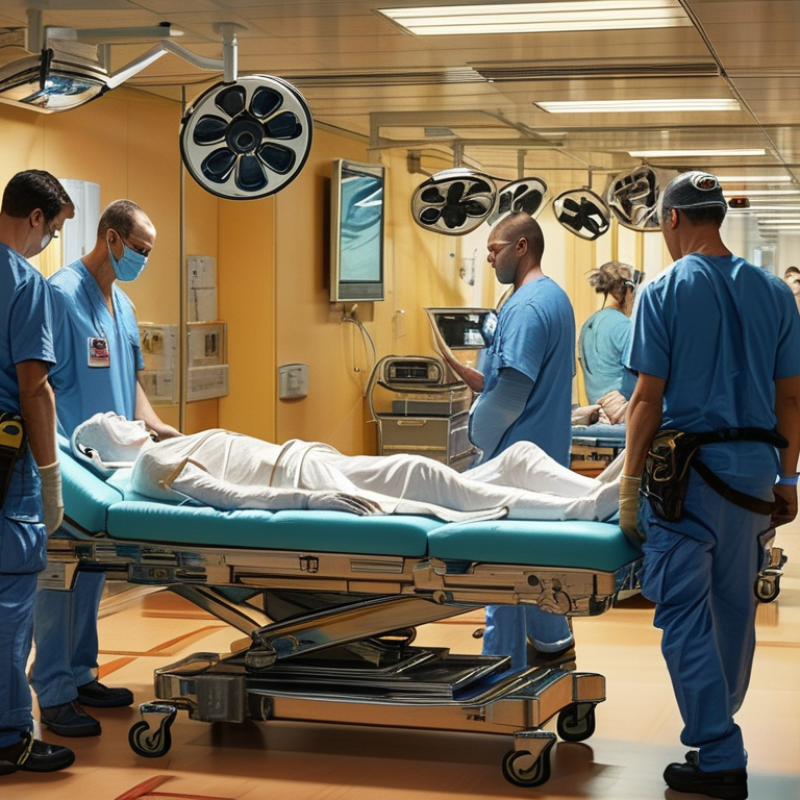
Transporting a patient on a spine board requires meticulous attention to detail. Proper immobilization is critical. According to the National Highway Traffic Safety Administration (NHTSA), nearly 1.5 million spinal injuries occur annually in the United States. This statistic emphasizes the necessity for effective methods to secure patients during transport.
When considering "how to secure a patient on a spine board during transport," it's essential to prioritize patient safety. The American Academy of Orthopaedic Surgeons recommends using specialized straps and head immobilizers. These tools minimize movement and prevent potential aggravation of spinal injuries. Professionals must also be aware of the common pitfalls, such as misalignment and insufficient restraint.
Moreover, real-world experiences illustrate the challenges faced during this process. Many medical responders recount incidents where improper securing led to complications. The need for continuous training and review of best practices is evident. Understanding how to properly secure patients can drastically improve outcomes while minimizing risks associated with spinal injuries.
Properly securing a patient on a spine board is crucial. Studies show that more than 25% of spinal injuries occur during transport. This statistic highlights the need for rigorous security measures. Insufficient immobilization can lead to further injury, complications, or even paralysis. It’s essential to understand that every detail counts in patient management.
To ensure effective spine board security, proper strapping techniques are vital. Straps should be snug but not restrictive. Ideally, they should allow for minimal movement without cutting off circulation. In a chaotic environment, such as an emergency, it’s easy to overlook these finer points. However, patient comfort and safety go hand in hand. A balance must be struck between immobilization and risk of pressure sores. Regular training for staff on these techniques is essential.
Despite advancements in healthcare technology, common errors still occur. For example, not using head immobilizers can increase the chance of head and neck movement. According to a report from the National Institutes of Health, these errors contribute to a significant number of preventable complications. Continuous evaluation and training can improve response. Observing these guidelines enhances patient safety during transport, even when challenges arise.
When transporting a patient on a spine board, having the right tools and equipment is crucial. A spine board itself is fundamental. It provides rigidity and support. An appropriate head immobilizer minimizes movement of the head and neck. This is vital for preventing further injury. Straps are essential for securing the patient tightly to the board. However, it’s important to avoid over-tightening, as this can restrict circulation.
Padding is often overlooked but plays a significant role. Proper padding under the patient’s head and torso can enhance comfort. It also helps maintain proper alignment. A quick-release buckle system on the straps can aid in emergency situations. While it is easy to assume you have everything covered, regular checks on equipment seem necessary. Inspecting your gear for wear and tear ensures reliability during transport.
Sometimes, crews may rush to secure a patient without thorough evaluation. This can lead to mistakes, like leaving gaps between the straps and the patient. It’s also crucial to communicate effectively among team members throughout the process. Clear communication can prevent errors. A well-coordinated effort increases patient safety and comfort.
Securing a patient on a spine board is critical for safe transport. Begin by assessing the patient's condition. Check for responsiveness and any visible signs of injury. Clear communication among team members is essential. One person should be in charge of directing the process.
Lay the spine board beside the patient. Carefully roll the patient onto their side. Use proper lifting techniques to avoid further injury. Place the spine board underneath them with minimal movement. This step requires practice and coordination. Once the board is in place, ensure the patient's head remains aligned with their spine.
Next, secure the patient using straps. Start with the torso, followed by the legs, and finally the head. Ensure the straps are snug, but not too tight. You should be able to slide a hand under each strap comfortably. Regular checks should occur throughout the transport to make sure the patient remains secure. Constant communication is critical here. This process may not be perfect every time; reflecting on past experiences helps improve.
| Step Number | Procedure | Description | Key Considerations |
|---|---|---|---|
| 1 | Initial Assessment | Assess the patient's condition and perform a risk evaluation. | Ensure the patient isn't in immediate danger before moving. |
| 2 | Prepare the Spine Board | Lay the spine board flat and ensure it is clean and free of debris. | Check for any equipment or accessories needed for securement. |
| 3 | Log Roll the Patient | With assistance, roll the patient onto their side and slide the spine board underneath. | Communicate with the team and maintain spinal alignment during the roll. |
| 4 | Secure the Head | Use head straps or blocks to immobilize the head in place on the board. | Ensure that the patient’s airway is clear and unobstructed. |
| 5 | Secure the Body | Use straps to secure the patient’s torso and legs firmly to the board. | Check that straps are snug but not too tight to restrict circulation. |
| 6 | Final Check | Verify all straps are secure and the patient is comfortable. | Inform the transport team of any pertinent information about the patient’s condition. |
Transporting a patient on a spine board requires careful monitoring to ensure their safety. During the transport process, it is crucial to check the patient's vital signs frequently. This includes heart rate, breathing patterns, and blood pressure. Any sudden change should prompt an immediate reassessment. In addition, providers must maintain clear communication among team members to address any concerns quickly.
Proper securing of the patient can mitigate potential movement. Utilize straps or other devices to prevent slipping. However, be mindful of patient comfort and avoid putting pressure on any injuries. Inspect the patient's position regularly; a misaligned spine board can lead to additional pain or complications.
Occasionally, environmental factors can complicate transport. Uneven terrains or abrupt movements might shift the patient's position or affect stability. In such cases, it is essential to adjust handling techniques quickly. Continuous evaluation is necessary to adapt to changing conditions and ensure optimal care throughout the journey.
Post-transport protocols are crucial for patient care after spine board removal. Once the patient is in a safe area, a thorough assessment is necessary. Check for vital signs and any signs of discomfort. This step helps identify potential complications that may arise.
Proper communication among the medical team is essential. Discuss findings and observations related to the patient's condition. This allows for timely intervention if needed. Documentation is also vital; it provides a clear record of the patient’s status before and after transport.
Spine board removal requires careful maneuvering. Ensure the patient is stable before moving them onto a hospital bed. It’s common to experience hesitation during this process. Always ask for assistance to maintain safety. Reflect on what worked and what didn’t during transport. This reflection aids future care and can improve practices over time.
This chart illustrates the frequency of implementation for various safety protocols during the transport of patients on a spine board. The data indicates that head immobilization and securing straps are the most commonly practiced protocols, ensuring the highest levels of safety for patients during transport.
: A spine board provides support and rigidity for safe patient transport, minimizing movement.
A head immobilizer helps prevent movement of the head and neck, which is vital for avoiding further injury.
Straps must be snug but not overly tight, allowing for a hand to slide under comfortably.
Proper padding enhances patient comfort and helps maintain correct alignment during transport.
Inspect equipment for wear and tear to ensure reliability during transport.
Clear communication among team members helps prevent errors during the securing and transporting process.
Any sudden changes should prompt an immediate reassessment of the patient's condition.
Uneven terrain or abrupt movements may shift a patient’s position, requiring quick adjustments in handling techniques.
Monitor the patient's position closely to prevent misalignment, which can lead to pain or complications.
Reflection helps identify areas for improvement, enhancing techniques for future patient transports.
In the process of transporting patients with potential spinal injuries, understanding "How to secure a patient on a spine board during transport?" is crucial for ensuring their safety and stability. The outlined procedure emphasizes the importance of using appropriate tools and equipment, such as straps and head immobilizers, to secure the patient effectively on the spine board. It involves a step-by-step approach that includes proper initial assessment, positioning, and securement techniques to prevent further injury.
Monitoring patient safety during transport is also essential, which requires continuous observation for any changes in condition while adhering to standardized protocols. After transport, proper assessment and a careful spine board removal process play vital roles in ensuring the patient's well-being. Following these guidelines not only protects the patient but also enhances the efficiency and effectiveness of emergency care.
Jones Medical