Why Hospitals Use Scoop Stretchers for Spinal Injuries Best Guide?

Time:2026-05-03 Author:Amelia
0%

In the field of emergency medicine, the choice of equipment can significantly impact patient outcomes. "Why do hospitals use scoop stretchers for spinal injuries?" is a critical question that highlights the importance of specialized tools in trauma care. According to a 2021 report by the National Institute of Health, approximately 17,000 new spinal cord injury cases occur annually in the U.S. Efficient immobilization during transport is vital for these patients.

Scoop stretchers are designed to stabilize patients with suspected spinal injuries during transfer. Their unique two-piece design allows for lateral access, reducing movement that could worsen injuries. A study published in the Journal of Trauma found that scoop stretchers minimize patient discomfort and enhance safety when handling fragile spinal cases.

However, challenges remain. Some users report that improper training can lead to ineffective use of these devices. Hospitals must ensure that staff receive adequate education on scoop stretcher usage. As the landscape of emergency care evolves, reflecting on the effectiveness of tackle equipment will be essential. In light of these factors, understanding the reasons behind selecting scoop stretchers becomes crucial for improving outcomes in spinal injury cases.
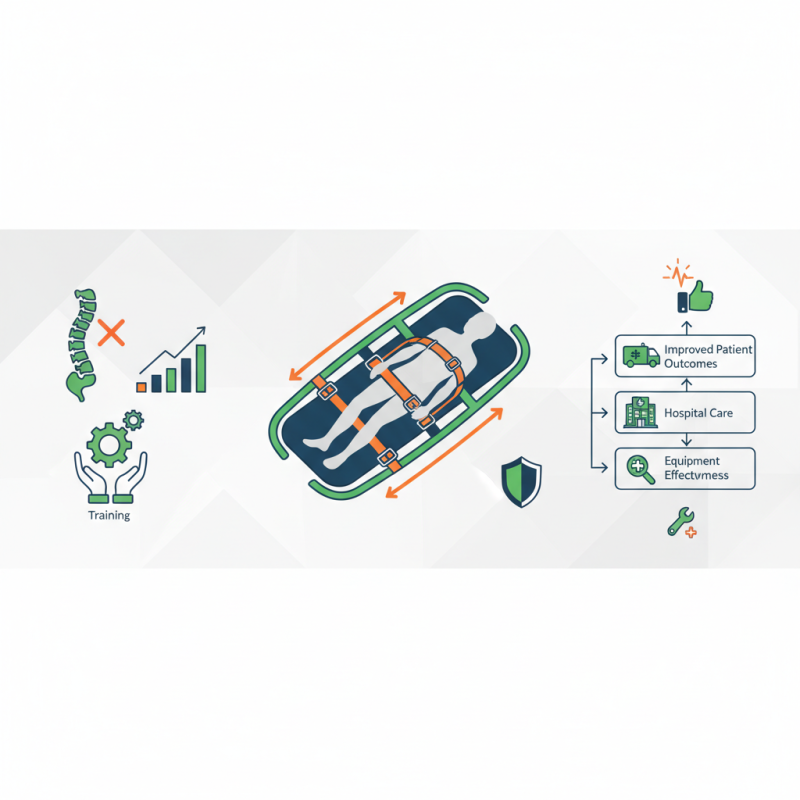
Why Hospitals Use Scoop Stretchers for Spinal Injuries Best Guide?

Understanding Scoop Stretchers and Their Importance in Spinal Injury Care

Scoop stretchers play a crucial role in the management of spinal injuries. These devices are designed to immobilize patients while allowing for safe transportation. According to the Journal of Emergency Medical Services, improper handling during spinal injury assessment leads to further complications in 30% of cases. This statistic underscores the need for effective tools like scoop stretchers in emergency response.

The design of scoop stretchers enables emergency personnel to quickly secure a patient without unnecessary movement. They consist of two halves that are placed around the patient and then securely fastened, minimizing spinal motion. This is vital because the National Institutes of Health estimates that 17,000 new spinal cord injuries occur each year in the U.S., many of which result from accidents. Timely and safe transportation can significantly enhance patient outcomes, reducing the potential for long-term disability.

Despite their advantages, there are challenges. Training on the proper use of scoop stretchers is sometimes inadequate. Emergency medical technicians require thorough practice to implement the device effectively. Research indicates that 15% of medical professionals feel unprepared to handle spinal injuries correctly. Continuous education and practice can bridge this gap, ensuring that scoop stretchers are used effectively in emergencies.

Key Features of Scoop Stretchers for Safe Patient Transportation

Scoop stretchers are essential in transporting patients with spinal injuries. These devices ensure the patient's spine remains stable during movement. The unique design allows for easy access and a quick setup. Emergency responders can separate the stretcher into two pieces. This reduces the need for awkward lifting and minimizes any further injury.

A key feature of scoop stretchers is their lightweight construction. This makes them easy to handle in chaotic situations. They typically include emergency straps to secure the patient safely. These features enhance stability and prevent additional harm. Their compact design allows for storage in ambulances without taking up too much space.

However, using scoop stretchers isn’t without its challenges. Operators must be trained to use them effectively. Mistakes can lead to increased risk for the patient. Awareness of proper techniques is crucial. Additional training may be needed to ensure optimal use in real emergencies.

How Scoop Stretchers Minimize Spinal Movement During Rescue Operations

In emergency situations, minimizing spinal movement is crucial, especially for spinal injuries. Scoop stretchers serve this purpose effectively. They consist of two separate halves that can be gently placed around the patient. This method avoids unnecessary bending or lifting. It protects the spine during transport. This approach reduces the risk of further injury.


The design of scoop stretchers allows for quick application. Emergency responders can secure patients swiftly. This reduces the time spent in potentially dangerous positions. When time is of the essence, scoop stretchers can be lifesaving devices. However, the technique requires training and practice. Inexperienced users might struggle with proper placement. This could lead to complications, emphasizing the need for expert training.


Despite their advantages, scoop stretchers are not foolproof. They may not be suitable for all patients. Those with unstable fractures might need additional support. It's essential for first responders to assess each situation individually. They must balance speed with the need for safety. Proper education and hands-on experience are vital for effective use.

Comparative Advantages of Scoop Stretchers Over Traditional Stretchers

Scoop stretchers are increasingly popular in hospitals for transporting patients with spinal injuries. Their unique design allows for safe and efficient transfer without compromising the patient’s stability. Traditional stretchers often require patients to be moved multiple times, increasing the risk of further injury. Scoop stretchers minimize this risk with their split design, allowing for quick and secure loading from the side.

One significant advantage of scoop stretchers is their adaptability. They can accommodate different body types and sizes, offering a custom fit that traditional stretchers may lack. The rigid construction offers great support for the spine during transport. Moreover, they can be easily cleaned and sterilized, making them a hygienic choice for medical environments.

Tips for caregivers: Always ensure the scoop stretcher is fully locked before loading a patient. Communication with the patient is essential throughout the transfer. This can alleviate anxiety and ensure a smoother experience. Remember, every movement counts, so practice proper lifting techniques with your team. Keeping patients informed can lead to better cooperation during the process and ultimately safer outcomes.

Why Hospitals Use Scoop Stretchers for Spinal Injuries Best Guide? - Comparative Advantages of Scoop Stretchers Over Traditional Stretchers
Feature Scoop Stretchers Traditional Stretchers
Design Two-piece design allows for easier access Single-piece design can complicate patient handling
Speed of Use Quick setup for rapid immobilization May require more time to secure the patient
Patient Comfort Minimizes movement, enhancing comfort May involve more jostling during transfer
Versatility Adaptable for various environments Limited flexibility in tight spaces
Weight Lightweight, easier for transport Generally heavier, more cumbersome to lift

Best Practices for Using Scoop Stretchers in Hospital Settings

Scoop stretchers are vital in managing spinal injuries in hospitals. These devices allow for quick and safe transportation of patients without compromising spinal alignment. According to a 2022 report by the National Institute for Health and Care Excellence (NICE), improper handling during emergencies can result in increased long-term disability. Recognizing this, hospitals have adopted scoop stretchers as a best practice.
When using scoop stretchers, ensure that patients are fully immobilized. This minimizes unnecessary movement and protects spinal integrity. A study published in the Journal of Trauma Care highlighted that using a scoop stretcher reduces the risk of secondary spinal injuries by up to 30%. Vital assessments should be carried out before and after the transfer.

Tip: Always have two trained personnel ready for assistance. This reduces the risk of accidents.

Furthermore, keep in mind that not all patients may fit comfortably on a scoop stretcher. Adjustments may be necessary. Regular training sessions for staff on the proper usage of scoop stretchers can improve patient outcomes. Experiment with different scenarios in training to prepare for real-life challenges.

Tip: Reassess techniques frequently due to ever-changing best practices in emergency care. Stay updated with the latest research findings.

FAQS

: What is the purpose of scoop stretchers?

: Scoop stretchers immobilize patients to ensure safe transportation during spinal injuries.

How do scoop stretchers work?

They consist of two halves that fit around the patient. This minimizes spinal motion during transport.

Why is proper training important for using scoop stretchers?

Inadequate training can increase the risk for patients. Emergency personnel need practice for effective use.

What is a key advantage of scoop stretchers?

Their design allows for quick setup, which is critical during emergencies.

Are scoop stretchers suitable for all patients?

No, they may not be appropriate for patients with unstable fractures. Each case must be assessed individually.

How frequently do new spinal cord injuries occur in the U.S.?

About 17,000 new spinal cord injuries happen yearly, often from accidents.

What challenges exist with scoop stretcher use?

Operators need training to avoid mistakes. Effective techniques must be taught for better outcomes.

How do scoop stretchers enhance patient safety?

They stabilize the spine during movement, reducing the potential for further injury.

Can inexperienced users face challenges with scoop stretchers?

Yes, they might struggle with placement, leading to complications.

Why is continuous education important for emergency responders?

It ensures they are prepared and can effectively use scoop stretchers in real emergencies.

Conclusion

Scoop stretchers play a crucial role in the management of spinal injuries, providing a safe and effective means of patient transportation. Why do hospitals use scoop stretchers for spinal injuries? These specialized stretchers are designed to minimize movement of the spine during rescue operations, which is essential for preventing further injury. Key features such as adjustable sections allow for a secure fit around the patient, ensuring stability and comfort while maintaining spinal alignment.

Additionally, scoop stretchers offer significant advantages over traditional stretchers, as they can be applied without lifting the patient and can accommodate various body types more easily. Best practices for using scoop stretchers in hospital settings emphasize proper training and coordination among staff, ensuring optimal use in emergency scenarios. Overall, the design and functionality of scoop stretchers are integral to the quality of care provided to patients with spinal injuries.

Amelia

Amelia

Amelia is a seasoned marketing professional with a wealth of expertise in our company’s core offerings. With an unwavering passion for driving growth and innovation, she plays a pivotal role in shaping our marketing strategies and enhancing brand visibility. A key aspect of her responsibilities......