Why Is Patient Comfort Vital For Long Distance Stretcher Transport?

Time:2026-06-10 Author:Henry
0%

The well-being of patients during long-distance stretcher transport is crucial. "Why is patient comfort important during long-distance stretcher transport?" This question drives home the need for specialized attention to comfort. Long journeys can be taxing, both physically and mentally. A uncomfortable ride can exacerbate a patient’s condition.

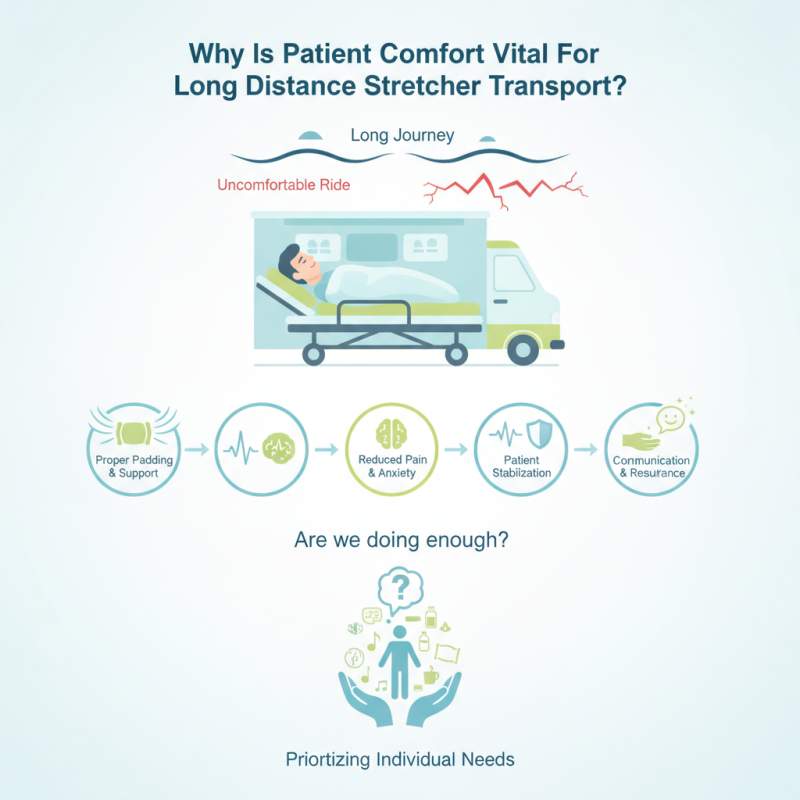
Proper padding and support can reduce pain and anxiety. Inappropriate handling or lack of comfort measures may lead to distress. A calm patient tends to stabilize better. Communication plays a role too; it reassures the patient during the journey.

Reflection is needed on current transport practices. Are we doing enough? Ensuring patient comfort should be a priority, not an afterthought. The nuances of patient care during transit reflect our commitment to their recovery. Addressing comfort means recognizing each individual's needs and incorporating solutions tailored to them. A subjective experience of comfort truly matters in enhancing overall care quality.
Why Is Patient Comfort Vital For Long Distance Stretcher Transport?

The Importance of Patient Comfort in Long Distance Stretcher Transport

Patient comfort is crucial during long-distance stretcher transport. When patients are moved, anxiety and discomfort can worsen their condition. A calm, comfortable patient is more likely to respond positively to treatment. Proper positioning and support minimize pain and distress. Small details matter, such as ensuring the stretcher is padded well and the environment is soothing.

Tips for ensuring comfort include using adjustable stretchers for better ergonomics. Elevating the head can help with breathing. Regularly check in with the patient to address their needs. Offer blankets or pillows to alleviate discomfort.

It's easy to overlook comfort in fast-paced medical transport. Poor handling or inadequate cushioning can lead to physical and emotional strain. Assess the transport environment continuously. Each adjustment can significantly impact the patient’s experience. A thoughtful approach fosters trust and eases anxiety.

Factors Affecting Patient Comfort During Transport

Long distance stretcher transport poses unique challenges for patient comfort. Several factors significantly influence how comfortable a patient feels during transit. These include the position and support offered by the stretcher, the temperature in the transport vehicle, and the expertise of the transport team. Each element plays a crucial role.

The stretcher’s design can greatly impact comfort. A well-cushioned stretcher reduces pressure points, making the journey less painful. Proper strapping can also stabilize the patient, preventing unnecessary movement. Temperature control in the transport environment is essential. Patients feel more at ease in a comfortable climate, which can alleviate anxiety.

Human factors also matter. The transport team’s interaction with the patient can significantly affect comfort levels. Empathy and communication are key. However, despite training, emotional exhaustion can affect the team’s performance. They need regular debriefs to maintain high standards. Overall, improving patient comfort during long-distance transport requires continuous effort and reflection.

Patient Comfort During Long Distance Stretcher Transport

This bar chart illustrates the key factors affecting patient comfort during long distance stretcher transport. The data highlights the significance of mental state, pain management, physical support, environmental factors, and communication, all contributing to overall patient comfort levels.

Techniques to Enhance Comfort for Long Distance Patients

Long-distance stretcher transport can be uncomfortable for patients. To enhance comfort, various techniques are essential. Research shows that maintaining patient comfort can significantly impact recovery. According to a study from the Journal of Patient Safety, patients who feel at ease report a 30% higher satisfaction level.

One effective method is to ensure proper padding on stretchers. Cushioned surfaces can relieve pressure points, reducing the risk of skin breakdown. A report from the National Institute of Health notes that up to 10% of long-distance patients experience bed sores due to inadequate cushioning. Additionally, adjusting the stretcher's angle can help patients alter pressure distribution. This simple adjustment can significantly enhance a patient’s experience during transport.

Moreover, addressing temperature and noise levels is crucial. Many patients report feeling anxious in unfamiliar environments. Providing blankets can alleviate chills and create a sense of security. Using soundproof materials or gentle music can also help mask unsettling noises. Both strategies contribute to a calmer atmosphere. However, not all facilities prioritize these details, which may lead to discomfort that affects patient outcomes.

The Role of Communication in Ensuring Patient Comfort

Effective communication is essential in ensuring patient comfort during long distance stretcher transport. Clear dialogue between healthcare staff and patients can create a calming atmosphere. When patients feel heard, their anxiety levels decrease. Simple phrases can have a significant impact. Saying, “You’re doing great” can provide reassurance.

Moreover, healthcare providers should utilize non-verbal communication effectively. Eye contact, facial expressions, and body language convey empathy. These aspects contribute to a supportive environment. Occasionally, staff may overlook these cues in fast-paced settings. Slowing down and making a connection is crucial.

It is also vital to solicit feedback from patients. Asking them how they feel fosters a sense of involvement. Sometimes, staff may not realize that a simple adjustment could enhance comfort. Whether it’s repositioning a pillow or adjusting the temperature, small changes can make a difference. Engaging patients in discussions about their experience promotes trust. This trust is foundational for patient satisfaction during transport.

Why Is Patient Comfort Vital For Long Distance Stretcher Transport? - The Role of Communication in Ensuring Patient Comfort

Dimension Description Impact on Patient Comfort
Communication Clarity Ensuring that patients understand the transport process and what to expect. Reduces anxiety and builds trust, leading to a calmer patient.
Environmental Comfort Optimizing the stretcher and transport environment, including temperature and noise. Helps maintain a sense of safety and well-being during transport.
Patient Dignity Respecting privacy and personal needs throughout the journey. Enhances the overall experience, making patients feel valued.
Responsive Care Ability to address patient needs and concerns promptly during transport. Improves satisfaction and comfort levels for patients in transit.
Team Coordination Effective communication among staff to ensure a seamless transport process. Minimizes disruption and keeps the patient informed and at ease.

Impact of Patient Comfort on Recovery and Overall Experience

Patient comfort plays a critical role in long-distance stretcher transport. When patients feel at ease, their anxiety levels decrease significantly. This comfort can have a profound impact on recovery. A calm state of mind can trigger the body’s natural healing processes. Conversely, discomfort may lead to stress, hindering recovery.

Many patients face physical pain during transportation, whether it's from a rigid stretcher or personal discomfort. It is essential for transport teams to prioritize patient needs. Adjustments, such as using soft padding or ensuring proper positioning, can make a difference. Small gestures, like verbal reassurance and regular check-ins, contribute positively as well.

Ensuring patient comfort is not just about physical aspects. Emotional support matters too. Patients often feel vulnerable during transport. A compassionate approach can greatly enhance their overall experience. Recognizing that not every transport will be perfect is important. Feedback from patients can help improve future transport practices. The ongoing challenge is to find balance and strive for the best patient experience possible.

FAQS

: Why is patient comfort important during stretcher transport?

: Patient comfort reduces anxiety and improves treatment responses. It is vital for a positive experience.

What factors influence patient comfort during transport?

Factors include stretcher design, temperature, and transport team interaction. Each plays a crucial role.

How can a stretcher design affect comfort?

A well-cushioned stretcher minimizes pressure points, reducing pain. Proper strapping stabilizes the patient.

What role does temperature play in patient comfort?

A comfortable temperature can ease anxiety, making the journey more pleasant for patients.

How can transport teams improve patient comfort?

Teams should communicate regularly with patients and provide emotional support. Small gestures matter.

What should teams do if transport conditions are less than ideal?

Acknowledge challenges and reflect on feedback. Continuous improvement is essential for future transports.

How does emotional support impact patient comfort?

Compassionate care reduces feelings of vulnerability and enhances the overall experience for patients.

Why is it important to regularly check in with patients?

Regular check-ins help address needs, ensuring that patients feel supported and cared for.

Can discomfort during transport hinder recovery?

Yes, discomfort can lead to stress that negatively affects recovery processes. Comfort is key.

What can teams do to manage their emotional exhaustion?

Regular debriefs can help teams maintain high standards and improve their performance during transport.

Conclusion

Patient comfort is of paramount importance during long-distance stretcher transport, as it significantly impacts a patient's overall experience and recovery process. Factors influencing comfort include the physical environment, the quality of the stretcher, and the attentiveness of medical personnel. Techniques such as proper positioning, temperature control, and frequent checks can enhance a patient’s comfort level significantly.

Effective communication also plays a crucial role in ensuring that patients feel secure and understood during transport. By addressing concerns and providing reassurance, healthcare providers can alleviate anxiety and discomfort. Ultimately, prioritizing patient comfort not only fosters a more positive experience but can also lead to better recovery outcomes, highlighting the question: why is patient comfort important during long-distance stretcher transport?

Henry

Henry

Henry is a dedicated marketing professional with a profound expertise in the company's offerings. With years of experience in the industry, he possesses an impressive understanding of the market dynamics and consumer behaviors that drive success. Henry is committed to sharing his insights through......