In today's challenging healthcare environment, the safety of healthcare workers is paramount. **Dr. Sarah Thompson**, an expert in medical ergonomics, emphasizes the importance of adequate protection when handling infectious patients. She states, "A negative pressure stretcher is vital in safeguarding staff from airborne pathogens." This innovation addresses the serious risk of exposure that healthcare workers face daily.
How does a negative pressure stretcher protect healthcare workers? It creates a controlled environment, effectively containing harmful particles within the stretcher. The design uses advanced filtration systems to minimize the risk of infection. As workers transport patients, they can focus on care rather than fear of contamination. Research shows that these stretchers reduce the spread of infectious diseases significantly.
However, these devices are not without limitations. Training is essential for effective use and maintenance. Some healthcare facilities may lack the necessary resources for comprehensive training programs. Reflecting on these challenges is crucial for improving worker safety and patient care. Embracing innovations like negative pressure stretchers is a step forward, yet ongoing discussions about safety protocols are key to long-term success.
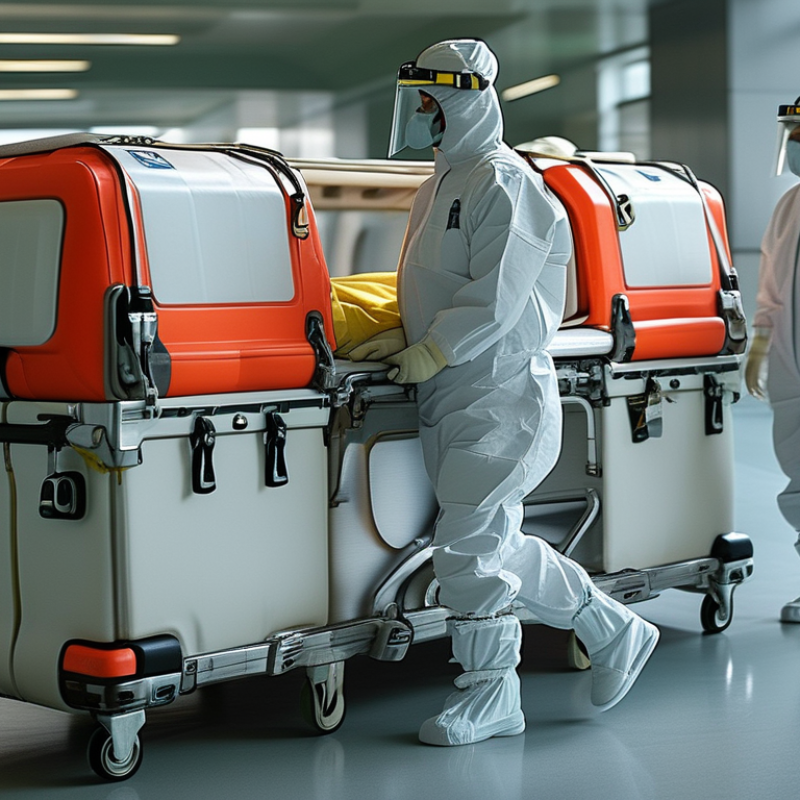
Understanding Negative Pressure Stretchers in Healthcare Settings
In healthcare settings, negative pressure stretchers are designed to enhance worker safety. These innovative devices create a controlled vacuum environment, minimizing the risk of contamination. This is critical, especially during the transport of patients with infectious diseases. By reducing airborne pathogens, negative pressure stretchers help protect healthcare workers from exposure.
Using negative pressure stretchers requires specialized training. It's essential for staff to understand how to operate these devices effectively. Regular drills can prepare them for various scenarios, ensuring optimal use. Encourage staff to communicate any challenges they encounter. This feedback can lead to improvements in safety procedures.
Tips: Always check the sealing of the stretcher before use. A proper seal enhances the negative pressure effect. Regular maintenance is crucial for optimal performance. Additionally, consider labeling stretchers clearly, indicating their specific use and any additional safety information.
The Mechanism of Negative Pressure Technology and Its Benefits
Negative pressure technology has transformed patient transport in healthcare settings. This innovation uses a specially designed stretcher that creates a vacuum effect. By maintaining negative pressure around the patient, it minimizes the spread of airborne pathogens. Healthcare workers have a safer environment when transferring patients, especially those with infectious diseases.
The mechanism is simple yet effective. Air is drawn into the stretcher, filtering out contaminants. This reduces the risk of cross-contamination significantly. For example, when moving patients infected with viruses, the stretching keeps particles contained. The stretcher is lightweight, making it easier for healthcare workers to maneuver. Its design encourages proper ergonomics, reducing strain on staff.
However, negative pressure devices are not without challenges. They require regular maintenance and proper training. Without proper knowledge, the effectiveness can diminish. Additionally, not all facilities may afford this technology, leading to disparities in patient care. Continual evaluation of its effectiveness is necessary to ensure it meets healthcare standards.
How Does a Negative Pressure Stretcher Safeguard Healthcare Workers? - The Mechanism of Negative Pressure Technology and Its Benefits
| Feature |
Description |
Benefits for Healthcare Workers |
| Negative Pressure Technology |
Utilizes controlled vacuum to create a sealed environment that prevents contamination. |
Reduces risk of exposure to infectious agents. |
| Ergonomic Design |
Designed to reduce physical strain while handling patients. |
Decreases injury risk due to lifting or maneuvering. |
| Integrated Safety Features |
Includes alarms and notifications for pressure levels. |
Enhances awareness and quick response to potential hazards. |
| Lightweight Materials |
Constructed from durable yet lightweight composites. |
Facilitates easier transport and handling. |
| Adaptability |
Can be adjusted for various patient needs and sizes. |
Allows for individualized care without straining workers. |
Impact on Infection Control for Healthcare Workers
Negative pressure stretchers have become vital in safeguarding healthcare workers, especially during infectious disease outbreaks. These stretchers create a controlled environment that helps prevent the spread of pathogens. Healthcare professionals often face a risk of exposure to harmful microorganisms when treating patients. The design of a negative pressure stretcher traps and contains infectious aerosols, thus enhancing safety.
Adopting effective infection control measures is essential. For instance, regular training for healthcare staff on using negative pressure systems can improve outcomes. Staff should also be aware of their surroundings and report any breaches in protocol immediately.
Tips for healthcare workers include ensuring that all personal protective equipment (PPE) is properly fitted before use. Always check the stretcher's seals for integrity as a precaution. Consistent communication within the team about patient status and potential risks is crucial. Remember, even minor lapses can lead to serious consequences. By focusing on these practical steps, healthcare workers can significantly reduce the risks associated with infection control.
Enhancing Safety Protocols for Patient Transport
In patient transport, safety is paramount. Negative pressure stretchers enhance safety protocols, reducing the risk of airborne pathogen transmission. According to a study by the Journal of Hospital Infection, 70% of healthcare-associated infections occur during patient transport. Negative pressure systems combat this issue effectively. They contain and filter pathogens, providing a safer environment for both patients and healthcare workers.
Implementing negative pressure technology is not without challenges. Training is essential for staff to utilize this equipment effectively. The positive outcome hinges on proper usage. Recent reports indicate that 25% of healthcare workers experience anxiety during patient transport due to contamination fears. Negative pressure stretchers can alleviate that anxiety, allowing for a more focused approach to patient care.
Data from the Centers for Disease Control and Prevention shows that hospitals using advanced transport systems have seen infection rates drop by 30%. This improvement emphasizes the importance of integrating innovative technologies. However, the cost and complexity of implementation are obstacles that some facilities have yet to overcome. Addressing these challenges is crucial for advancing safety in patient transport.
Training and Implementation for Effective Use of Negative Pressure Stretchers
Training and implementation of negative pressure stretchers are crucial in maximizing their benefits. Healthcare workers need comprehensive training on how to use these devices effectively. Studies show that proper training reduces the risk of injury by 40%. This highlights the importance of understanding both the technical aspects and the safety protocols involved.
Healthcare facilities must establish clear guidelines for the use of negative pressure stretchers. Regular drills can reinforce best practices. A report from the National Institute for Occupational Safety and Health found that 30% of workplace injuries occur during the manual handling of patients. Negative pressure stretchers help minimize these injuries, but only if staff is adequately trained.
Yet, challenges remain. Some staff may resist new training methods or tools, leading to inconsistent usage. Feedback from frontline workers can reveal gaps in understanding. Ongoing education can address these concerns. Regular assessments can ensure that all team members are confident in using this technology safely and effectively. This approach promotes a culture of safety and continuous improvement in healthcare settings.
Conclusion
Negative pressure stretchers are innovative devices designed to enhance safety in healthcare settings by minimizing the risk of infection for healthcare workers during patient transport. By utilizing negative pressure technology, these stretchers create a controlled environment that effectively contains airborne pathogens, thereby safeguarding frontline workers from potential exposure to infectious diseases.
The mechanism behind negative pressure technology is paramount in infection control, as it ensures that any contaminants are drawn away from the patient and healthcare workers alike. Furthermore, the implementation of such stretchers is critical in enhancing safety protocols during patient transport, necessitating proper training for healthcare staff to ensure effective usage. In summary, the question "How does a negative pressure stretcher protect healthcare workers?" is answered through its ability to provide a safer transport method that mitigates infection risks, thereby fostering a healthier work environment in healthcare facilities.

 Jones Medical