In the world of medical imaging, patient safety is paramount. Understanding "Why are MRI-safe stretchers made without ferrous metals?" sheds light on critical design choices. Ferrous metals can interfere with magnetic resonance imaging. They pose significant risks during scans, such as attracting to the MRI machine's magnet.
MRI-safe stretchers prioritize non-ferrous materials. This choice ensures that imaging is accurate. It also prevents the risk of injury to patients and staff. Non-ferrous metals, like aluminum or plastic composites, do not distort magnetic fields. This makes them safe alternatives.
Manufacturers must carefully consider materials. While cost and availability are factors, safety is non-negotiable. Reflecting on these design choices helps improve equipment safety. Despite advances, challenges remain. The quest for perfect MRI safety continues, highlighting the need for constant innovation in medical technology.
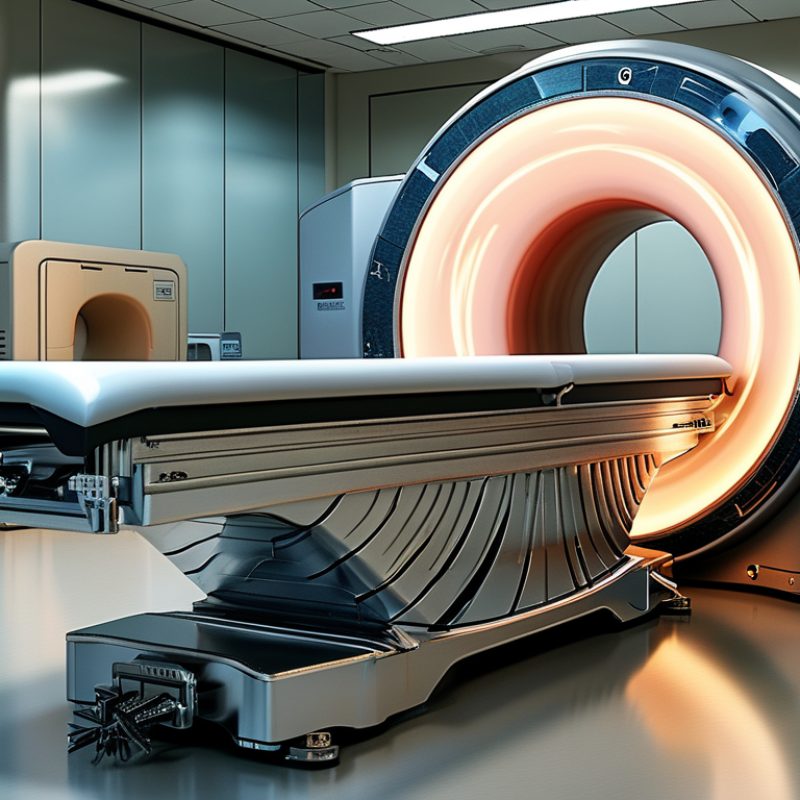
MRI safety standards are crucial for protecting patients and operators. One key consideration is the materials used in equipment, particularly ferrous metals. MRI machines generate powerful magnetic fields that can interact dangerously with ferrous metals. This can lead to projectile incidents, posing significant risks to patient safety. Consequently, MRI safe stretchers are designed without these metals.
According to a report by the American College of Radiology, over 40% of MRI accidents involve ferrous materials. This statistic highlights the importance of material selection in medical equipment. Non-ferrous materials such as aluminum, composites, or high-strength plastics are preferred. They provide durability and safety without compromising magnetic field integrity.
Despite advancements, some challenges remain. Not all hospitals utilize non-ferrous stretchers, leading to potential hazards. Continuous education about MRI safety is essential for staff to mitigate risks. Ensuring that all equipment meets safety standards is a collective responsibility. Integrating proper training and awareness could greatly reduce incidents associated with ferrous metals in MRI environments.
When considering MRI environments, the presence of ferrous metals becomes a significant concern. Ferrous metals, which are magnetic, can interfere with MRI’s powerful magnet fields. According to a report by the American College of Radiology, there are approximately 300 reported incidents each year related to ferrous objects in MRI rooms. This highlights the need for materials that are non-ferromagnetic.
Safe stretchers designed for MRI use often incorporate materials like aluminum or specialized plastics. These alternatives ensure that no harmful reactions occur during scanning. MRI machines operate with electromagnets creating fields up to 3 Tesla. Ferrous metals can be attracted to these magnets, posing risks to both patients and staff. In addition, the National Institute of Health emphasizes the importance of patient safety, stating that non-ferrous materials drastically reduce accident rates.
MRI-safe stretchers must also account for imaging quality. Ferrous metals could distort magnetic resonance images, leading to inaccurate diagnoses. Quality standards set by regulatory bodies, such as the FDA, reinforce the idea that these materials are crucial. This challenge pushes manufacturers to innovate, yet improving these designs remains an ongoing process fraught with limitations. Each design choice should strive for the perfect balance between safety and functionality.
MRI safe stretchers are essential in medical environments where magnetic resonance imaging is performed. Utilizing non-ferrous materials is crucial for ensuring patient safety. Non-ferrous metals, such as aluminum and certain plastics, do not interfere with magnetic fields. This characteristic prevents accidents and ensures high-quality imaging.
The advantages of non-ferrous materials extend beyond safety. They are lightweight, making it easier for medical staff to maneuver stretchers. This can enhance the efficiency of patient transfers. Additionally, non-ferrous materials often exhibit superior corrosion resistance. This is vital in a clinical setting, where hygiene is paramount. Regular cleaning and disinfection are necessary, and non-ferrous materials can withstand these processes better than ferrous options.
However, it’s important to consider the cost-effectiveness of these materials. While they provide clear benefits, some non-ferrous materials may come at a higher price. Budget constraints in healthcare can challenge the adoption of these safer options. Balancing safety and cost requires careful consideration and ongoing evaluation.
Using ferrous metals in MRI procedures can pose significant risks. The powerful magnets in MRI machines attract ferrous materials, potentially causing injury. If metal components in stretchers are pulled towards the magnet, they can create a dangerous projectile. This is not a hypothetical concern; numerous incidents have occurred in medical settings due to ferrous metal equipment.
Moreover, the presence of ferrous metals can compromise imaging quality. Any metallic object within the MRI's magnetic field can lead to distortions in the images produced. This may result in incorrect diagnoses or missed medical conditions. So, it's crucial to use non-ferrous materials in MRI-compatible stretchers and equipment.
Even with advances in technology, some practitioners may overlook the specifics of equipment used in MRI settings. This oversight can have serious implications for patient safety. Addressing this issue requires ongoing education and awareness among medical staff to ensure that safety is prioritized. Recognizing the potential risks of ferrous metals is essential for effective MRI procedures.
This chart illustrates the potential risks associated with using ferrous metals in MRI procedures. Each risk is rated on a scale from 1 to 10, indicating the severity of the issue. The highest risk is related to interference with imaging, followed closely by potential magnetic field effects on patients.
MRI-compatible stretchers are designed without ferrous metals to ensure patient safety and equipment reliability. Ferrous materials can interfere with the magnetic field of the MRI machine. This can lead to harmful accidents or distorted imaging results. Therefore, stretchers made from non-ferrous materials like aluminum and plastics are essential.
Designing MRI-compatible equipment involves multiple considerations. Materials used must not only be non-ferrous but also easy to clean. Infection control is a top priority. Equipment must withstand sterilization processes without degradation. Moreover, comfort and support features are crucial as patients may lie still for long periods.
Tips: Always verify product specifications. Non-ferrous does not guarantee compatibility. Consult with professionals when choosing medical equipment. Remember, every detail matters in MRI environments. It’s crucial to stay updated on guidelines for MRI safety. Regular training can prevent accidents related to incompatible materials.
: MRI safety standards protect patients and operators from potential hazards. They ensure equipment materials are safe for use.
Non-ferrous materials like aluminum and high-strength plastics are preferred. They offer safety without affecting magnetic fields.
Ferrous metals can attract and become projectiles due to strong magnets. This can cause injury and compromise patient safety.
Ferrous metals can distort images, leading to incorrect diagnoses. This emphasizes the importance of using non-ferrous materials.
Not all hospitals use non-ferrous stretchers. This gap presents ongoing safety risks for patients and staff.
Ongoing education helps staff recognize hazards related to ferrous metals. It promotes safety and reduces risks in MRI procedures.
Yes, practitioners may overlook equipment specifics, compromising patient safety. Awareness and training are crucial to avoid these issues.
Over 40% of MRI accidents involve ferrous materials, highlighting the need for careful material selection.
Integrating proper training and raising awareness among medical staff can greatly reduce MRI-related incidents.
Choosing the right materials ensures safety and maintains the integrity of magnetic fields essential for accurate imaging.
MRI-safe stretchers are essential in providing safe and effective patient transport within MRI environments. This brings us to the question, "Why are MRI-safe stretchers made without ferrous metals?" The answer lies in the safety standards established for MRI procedures, which restrict the use of ferrous materials due to their magnetic properties. Ferrous metals can become dangerous projectiles in the presence of a strong magnetic field, posing significant risks to both patients and medical personnel.
To mitigate these risks, MRI-compatible equipment is designed using non-ferrous materials, which do not react to magnetic fields. This choice not only enhances safety but also ensures the integrity of imaging by minimizing interference with the MRI machine's operation. Furthermore, proper design considerations are crucial for ensuring that all medical equipment, including stretchers, adheres to MRI safety standards, ultimately safeguarding the health and well-being of all individuals involved in the MRI process.
Jones Medical