Why is Safe Patient Transfer from Bed to Stretcher Important?

Time:2026-08-11 Author:Amelia
0%

Safe patient transfer from bed to stretcher is a critical component of patient care. In hospitals, proper transfer techniques reduce the risk of injuries. According to a study published by the Institute for Healthcare Improvement, improper handling can lead to both patient and staff injuries. Health organizations emphasize that each year, nearly 35% of healthcare workers experience musculoskeletal injuries due to patient handling. This data highlights the need for robust training and protocols.

Patients must be transferred safely to avoid complications. Guidelines from the American Nurses Association stress the importance of using proper techniques, including body mechanics and the right equipment. When considering "how to transfer a patient from a bed to a stretcher safely?", caregivers should assess the patient’s mobility level. It is vital to involve the patient as much as possible during the transfer process. This involvement can enhance their comfort and reduce anxiety.

However, challenges exist. Many healthcare professionals feel unprepared, which can lead to mistakes. A survey by the National Institute for Occupational Safety and Health revealed that 50% of staff reported feeling inadequately trained for safe transfers. Ongoing education and practical training can bridge this gap, ensuring that patient transfers occur with confidence and care.
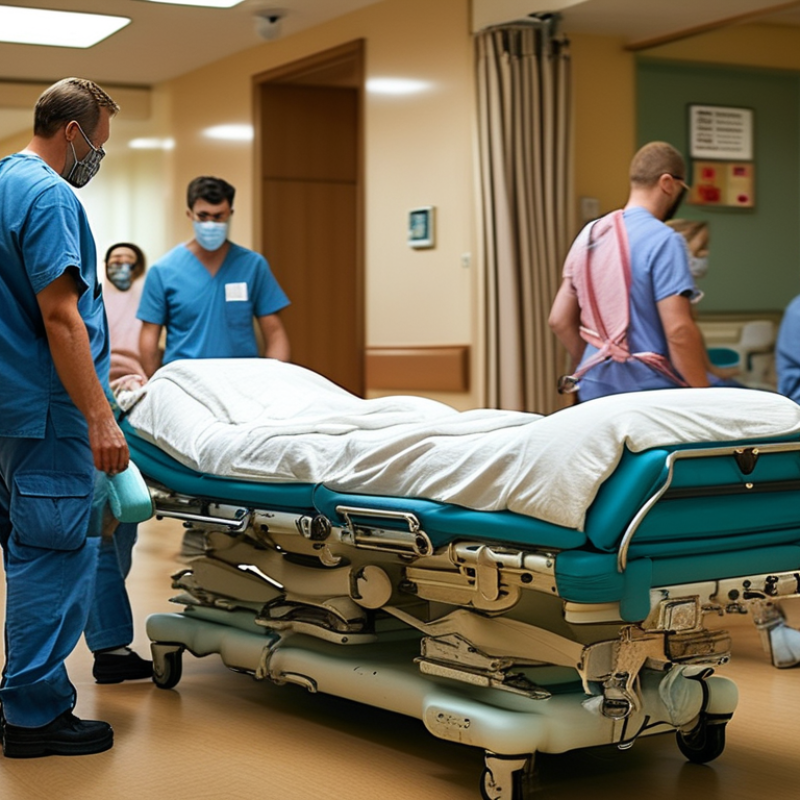
Why is Safe Patient Transfer from Bed to Stretcher Important?

Importance of Safe Patient Transfer in Healthcare Settings

Safe patient transfer is crucial in healthcare settings. It involves moving patients from bed to stretcher with care. Proper methods reduce risks of injury. Both patients and healthcare workers face high injury rates during transfers. A lack of training can lead to accidents.

Communication is key during transfers. Staff must inform patients about the process. Clear guidance helps patients feel secure. Each transfer should be a cooperative effort. Staff need to assess the patient’s mobility level. They should use appropriate techniques and assistive devices when needed.

Mistakes can happen, even with the best intentions. Some staff may overlook essential safety protocols. This negligence can lead to falls or strain injuries. Regular training and assessments help maintain standards. Constant reflection on practices ensures improvements over time. Safe transfers protect everyone involved.

Risks Associated with Improper Patient Transfer Methods

Improper patient transfer methods can lead to serious risks for both patients and healthcare providers. For instance, when transferring a patient from a bed to a stretcher, if the process is not handled correctly, it can result in falls. This risk is particularly high for elderly patients or those with limited mobility. A fall can cause broken bones, head injuries, and prolonged hospital stays. These incidents not only jeopardize patient safety but also increase the workload for healthcare staff.

Another serious concern is musculoskeletal injuries among healthcare workers. Lifting or shifting patients without proper techniques can lead to back strains or sprains. These injuries can affect caregivers’ ability to perform their jobs effectively. Over time, they may lead to chronic pain or disability, impacting quality of care. Even with training, many staff members may still underestimate the importance of using appropriate transfer equipment, such as slide sheets or transfer boards, which can mitigate these risks.

Reflecting on these issues reveals a gap that needs addressing in training programs. While many protocols exist, not all staff members consistently follow them. This inconsistency can stem from time constraints or pressure in high-volume settings, leading to shortcuts during transfers. An open dialogue about these challenges can foster a culture of safety and awareness. This is essential for protecting both patients and healthcare workers alike.

Importance of Safe Patient Transfer from Bed to Stretcher

Best Practices for Safe Bed to Stretcher Transfers

Transferring a patient safely from bed to stretcher is crucial in medical settings. It reduces the risk of injuries for both patients and healthcare providers. Poor transfer techniques can lead to falls, discomfort, or even serious harm. Understanding proper methods is essential for effective care.

Best practices for bed to stretcher transfers include clear communication between staff and patients. Instructing the patient about each step can alleviate anxiety. Employing the right techniques, like using slide sheets or a transfer board, can also make the process smoother. Staff should be aware of their own body mechanics to prevent strain. However, many overlook this critical aspect, leading to exhaustion and potential injuries.

Regular training and drills are necessary. It’s important to evaluate transfer methods periodically. Many healthcare professionals may feel confident but still make mistakes. Continuous education helps refine skills and promotes safety. Reflecting on these practices can foster a culture of safety, ensuring that both patients and staff feel secure during transfers.

Role of Healthcare Personnel in Ensuring Safe Transfers

Safe patient transfer from bed to stretcher is a critical process in healthcare. Healthcare personnel play a vital role in ensuring this transfer occurs smoothly and safely. According to the National Institute for Occupational Safety and Health (NIOSH), improper patient handling can lead to injuries, not just for patients but also for staff. Approximately 35% of nurses report experiencing musculoskeletal injuries related to patient transferring activities.

Effective training is essential. Personnel who are skilled in safe transfer techniques can reduce the risk of falls. A study published in the Journal of Nursing Administration highlights that patients who are transferred safely have a 25% lower chance of sustaining an injury. This underscores the importance of education and regular training programs for healthcare workers.

Communication among staff is equally crucial. Clear and concise dialogue can help everyone involved understand their role during the transfer. Often, lapses occur when procedures are not followed or when staff are overwhelmed. Implementing checks and balances can foster a culture of safety. Ensuring that safety protocols are routinely reviewed and revised based on feedback can enhance overall patient care.

Why is Safe Patient Transfer from Bed to Stretcher Important? - Role of Healthcare Personnel in Ensuring Safe Transfers

Aspect Details Importance
Patient Safety Minimizes risk of injury during transfers. Prevents falls and related complications.
Effective Communication Clear instructions among healthcare personnel. Ensures a coordinated approach to transfers.
Proper Techniques Use of appropriate lifting and transferring methods. Reduces strain and likelihood of injury for staff.
Equipment Use Usage of stretchers, transfer boards, etc. Enhances safety and efficiency during transfers.
Training Regular training for healthcare personnel. Updates staff on best practices and protocols.

Impact of Safe Transfers on Patient Outcomes and Satisfaction

Safe patient transfer is crucial for maintaining patient dignity and comfort. When patients move from bed to stretcher, they often feel vulnerable. Ensuring a smooth process reduces anxiety. Many patients experience discomfort during transfers, impacting their overall hospital experience. Each safe transfer builds trust. Patients appreciate when caregivers take their time and ensure their safety.

The impact of safe transfers extends beyond physical health. Research indicates that proper transfer techniques can reduce falls and injuries. This minimizes hospital stays and promotes quicker recoveries. Moreover, when patients feel secure, their satisfaction levels increase. They are more likely to endorse the care received. Observing staff handling transfers professionally reassures families, leading to a positive perception of care quality.

Reflecting on current practices reveals inconsistencies. Some transfers lack proper protocols, risking patient safety. It's vital for healthcare teams to reassess their methods continuously. Training should adapt to address the specific needs of different patient populations. Innovations in transfer equipment could further enhance safety. Prioritizing these aspects creates a culture of care focused on both safety and satisfaction.

FAQS

: Why is safe patient transfer important in healthcare settings?

: Safe patient transfer reduces the risk of injury for both patients and healthcare workers.

What can happen if staff lack training in transfer techniques?

A lack of training can lead to accidents, increasing injury rates during transfers.

How can communication impact patient transfers?

Clear communication helps patients feel secure and understand the process, making transfers smoother.

Why is regular training necessary for healthcare personnel?

Regular training maintains safety standards and reduces the risk of injuries during patient transfers.

What percentage of nurses report musculoskeletal injuries related to patient transfers?

Approximately 35% of nurses report such injuries linked to patient transferring activities.

How does proper training affect patient injury rates during transfers?

Patients who are transferred safely have a 25% lower chance of sustaining an injury.

What common issues arise during patient transfers?

Lapses in following procedures or staff being overwhelmed can lead to unsafe transfers.

What role does staff communication play in patient safety?

Effective communication ensures everyone knows their responsibilities, enhancing overall safety during transfers.

Can mistakes occur even with proper training?

Yes, mistakes can happen due to oversight or negligence, impacting patient safety.

How can healthcare facilities improve their transfer protocols?

Regularly reviewing and revising safety protocols based on feedback can enhance transfer practices.

Conclusion

Safe patient transfer from bed to stretcher is a critical aspect of healthcare that directly impacts patient safety and satisfaction. Improper transfer methods can lead to serious risks, including injury to both patients and healthcare personnel. Understanding how to transfer a patient from a bed to a stretcher safely involves implementing best practices such as using proper body mechanics, utilizing transfer equipment, and ensuring clear communication among the healthcare team.

Healthcare professionals play a vital role in facilitating these safe transfers, which ultimately enhance patient outcomes by minimizing discomfort and preventing complications. A well-executed transfer not only protects the patient but also fosters a positive healthcare experience, significantly contributing to overall patient satisfaction. Prioritizing safety during transfers is essential in maintaining the high standards of care expected in healthcare settings.

Amelia

Amelia

Amelia is a seasoned marketing professional with a wealth of expertise in our company’s core offerings. With an unwavering passion for driving growth and innovation, she plays a pivotal role in shaping our marketing strategies and enhancing brand visibility. A key aspect of her responsibilities......