10 Essential Tips to Inspect Stretcher for Mechanical Wear?

Time:2026-06-13 Author:Sophia
0%

When considering the maintenance of essential equipment, understanding how to inspect a stretcher for mechanical wear and tear is vital. According to industry reports, nearly 30% of stretcher-related incidents stem from mechanical failures, underscoring the importance of thorough inspections. A well-maintained stretcher ensures not only the safety of patients but also the efficiency of emergency services.

Regular checks can reveal subtle signs of wear, such as frayed straps or loose components. These indicators should not be overlooked; addressing them early can prevent major failures. Furthermore, studies suggest that over 50% of stretcher misuse arises from neglecting to inspect mechanical parts regularly. Consequently, having a systematic approach to inspections is not just recommended, it is necessary to uphold industry safety standards.

By integrating detailed inspections into routine maintenance, organizations can significantly reduce risks. While many healthcare professionals perform these checks, often, they may miss critical signs. An engaged, experienced team dedicated to understanding how to inspect a stretcher for mechanical wear and tear can create a safer environment for everyone involved.
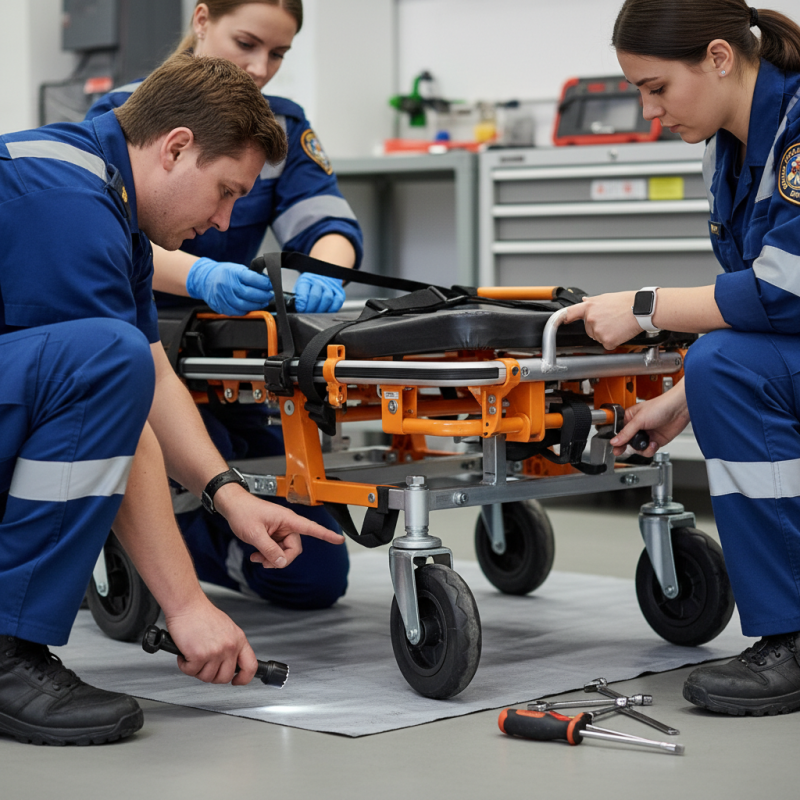
10 Essential Tips to Inspect Stretcher for Mechanical Wear?

Understanding the Importance of Stretcher Inspections in Mechanical Systems

Stretcher inspections play a vital role in maintaining mechanical systems. Regular assessments can prevent catastrophic failures. According to industry reports, over 30% of mechanical failures are attributed to insufficient maintenance. This highlights the need for diligent inspections.

Tip: Look for signs of wear. Cracks in the stretcher frame can indicate structural weaknesses. Even small, hairline fractures can compromise performance, leading to larger issues down the line.

Mechanical systems rely on precision. Misalignments, often due to worn stretchers, can lead to costly repairs. Data suggest that improperly maintained systems might incur repair costs that exceed 5% of their initial value annually.

Tip: Pay attention to unusual sounds. Strange noises during operation frequently signal mechanical distress. Addressing these concerns early helps in maintaining system integrity. Regular visual inspections and noise assessments can extend the lifespan of stretchers significantly.

Neglecting these precautions can have serious implications, often overlooked until problems arise. A proactive approach not only saves costs but ensures safety in the operational environment.

Key Indicators of Mechanical Wear in Stretchers and Their Implications

Mechanical wear in stretchers can significantly impact their performance and safety. Recognizing key indicators of wear is essential for maintenance. For example, a study found that over 30% of mechanical failures in healthcare stretchers stem from inadequate inspections. Regular checks can prevent costly downtimes and improve patient care.

One major sign of wear is the condition of the wheels. Worn or damaged wheels can lead to instability. Research indicates that 25% of stretcher-related accidents are due to wheel failure. Inspecting the wheel alignment and tread can ensure proper functionality. Additionally, look for signs of rust or corrosion on metal components. Even minor corrosion can escalate, compromising the stretcher's integrity.

Another crucial aspect is the hydraulic system. A malfunctioning hydraulic system can lead to sudden collapses. Industry reports show that 15% of stretcher malfunctions are linked to hydraulic failures. Listen for unusual sounds when raising or lowering the stretcher. Noticing changes in responsiveness can signal issues. These indicators, while sometimes overlooked, require immediate attention to ensure safety and reliability.

10 Essential Tips to Inspect Stretcher for Mechanical Wear

Tip No. Inspection Area Key Indicator Implication of Wear
1 Frame Cracks or Deformation Structural Failure Risk
2 Wheels Uneven Wear or Noise Mobility Issues
3 Handles Looseness or Damage User Control Loss
4 Brakes Ineffective Locking Safety Hazard
5 Straps Fraying or Weakness Patient Safety Risk
6 Joints Play or Stiffness Functional Impairment
7 Surface Rust or Corrosion Material Integrity Loss
8 Cushioning Tears or Compression Comfort and Support Reduction
9 Hydraulic System Fluid Leaks Operational Failures
10 Overall Cleanliness Accumulated Dirt and Grime Maintenance Negligence

Data-Driven Methods for Assessing Stretcher Condition and Longevity

Inspecting stretchers for mechanical wear is crucial for their longevity. Data-driven methods offer an objective way to assess their condition. Use sensors to collect data on stress and strain during operations. Analyze this data to identify wear patterns. Regular monitoring allows for timely maintenance before failures occur.

When inspecting stretchers, look for signs of fatigue. Check for cracks or unusual wear marks. Listen for unusual noises during operation. Visual inspections can reveal issues that data alone might miss. Maintain a checklist to standardize your inspections. Document the findings for better tracking over time.

Data can help predict when repairs are needed. For each stretcher, calculate its usage cycle. Compare the data against performance benchmarks. Over time, this approach reveals valuable insights about longevity. Use this knowledge to inform your maintenance schedule. Aim to create a more reliable and efficient system.

Essential Tools and Techniques for Accurate Stretcher Inspections

Inspecting stretchers for mechanical wear is crucial to ensure safety and operational efficiency. Skilled inspectors use essential tools and techniques. A thorough inspection can prevent accidents and damage.

One important tool is a visual inspection mirror. It helps check hard-to-see areas. Inspect all joints and pivot points for signs of wear. Pay attention to any unusual noises during operation. This can indicate underlying mechanical issues.

Another effective technique is using a caliper to measure key components. This ensures that dimensions remain within specified limits. Regular measurements can reveal patterns of wear over time. Document findings for future reference and trend analysis. Inadequate documentation may lead to repeating mistakes, so keep records accurate.

Finally, involve team members in the inspection process. Different perspectives can highlight issues that one person might overlook. Collaboration fosters a culture of safety and accountability. Regular feedback is vital for continuous improvement in inspection practices.

Best Practices for Maintaining Stretchers to Prevent Mechanical Failures

Maintaining stretchers is crucial for ensuring patient safety and operational efficiency. Regular inspections can prevent mechanical failures, which may otherwise lead to accidents in critical situations. According to the Journal of Emergency Medical Services, over 30% of stretcher-related incidents stem from mechanical wear and tear. Implementing best practices can mitigate these risks.

Inspect stretchers weekly, focusing on wheels, locking mechanisms, and frame integrity. Attention to small details, like ensuring wheels spin freely, can make a significant difference. Minor issues, if neglected, could escalate into major failures. Another crucial tip is to maintain a clean stretcher. Dirt and debris can cause parts to wear prematurely.

Training staff on proper handling techniques is vital. Reports indicate that improper handling contributes to 40% of stretcher damage. Encourage staff to lift consistently and avoid placing undue stress on the equipment. Regular training refreshers should be a norm in healthcare facilities. Remember to document all inspections and repairs; this builds a reliable maintenance history and highlights areas for improvement. This proactive approach not only enhances safety but also prolongs the lifespan of stretchers, ensuring they remain a dependable resource in critical care settings.

FAQS

: Why are stretcher inspections important in mechanical systems?

: Stretcher inspections help maintain mechanical systems and prevent failures. They can stop over 30% of mechanical failures caused by poor maintenance.

What signs indicate that a stretcher may need inspection?

Look for cracks or hairline fractures in the stretcher frame. These can point to structural weaknesses that may cause larger issues.

How can misalignments affect mechanical systems?

Misalignments often occur due to worn stretchers. They can lead to repairs costing over 5% of the system's initial value annually.

What unusual sounds should I listen for during operation?

Strange noises can signal mechanical distress. Paying attention to these sounds can help maintain system integrity and identify issues early.

What tools are essential for accurate stretcher inspections?

A visual inspection mirror is vital for seeing hard-to-reach areas. Measuring tools like calipers are also important for checking component dimensions.

How can I ensure effective inspections with my team?

Involving team members in inspections allows for different perspectives. Collaboration can highlight issues that one person might miss.

What role does documentation play in stretcher inspections?

Accurate documentation is crucial. It helps reveal wear patterns over time and prevents the repetition of mistakes during inspections.

What happens if inspection precautions are neglected?

Neglecting inspections can lead to serious problems. Often, issues are overlooked until they escalate, increasing safety risks.

How does regular inspection affect the lifespan of stretchers?

Regular visual checks and noise assessments can significantly extend the lifespan of stretchers and improve overall system performance.

Conclusion

Inspecting stretchers for mechanical wear and tear is crucial to ensure the safety and reliability of mechanical systems. Understanding the importance of these inspections helps in identifying key indicators of wear, such as unusual noises, loosened components, or visual signs of deterioration. Using data-driven methods enhances the assessment of a stretcher's condition and longevity, allowing for informed maintenance decisions.

To effectively inspect a stretcher for mechanical wear and tear, it's essential to utilize the right tools and techniques. Regular inspections, combined with best practices for maintenance, can significantly reduce the risk of mechanical failures. By focusing on these essential tips, operators can ensure the optimal performance and safety of their stretchers in mechanical applications.

Sophia

Sophia

Sophia is a dedicated marketing professional with an exceptional depth of knowledge about her company's products and services. With a keen understanding of market trends and customer needs, she crafts insightful blog posts that not only inform but also engage readers, enriching the company’s online......