Essential Safety Features in a Folding Stretcher to Consider?

Time:2026-05-07 Author:Sophia
0%

When it comes to emergency care, having the right equipment is crucial. A folding stretcher is a vital tool for transporting patients safely. However, not all stretchers are equal. It is important to understand what to look for when selecting one. The main question arises: What are the safety features to look for in a folding stretcher?

Safety should always be a priority. Look for features that enhance stability and support. For instance, the stretcher should have secure locking mechanisms to prevent accidental folding. It’s also essential to consider the materials used. High-quality, durable fabric can prevent tearing during use. Straps need to be strong yet comfortable for the patient.

Furthermore, portability is key. A lightweight design makes it easy to maneuver. However, be cautious. An overly lightweight stretcher might compromise on sturdiness. Reflect on the balance between ease of use and safety. Always prioritize features that ensure the well-being of the patient during transport. Your choice can make a significant difference in emergency situations. Understanding these elements can lead to better decision-making when selecting a stretcher.
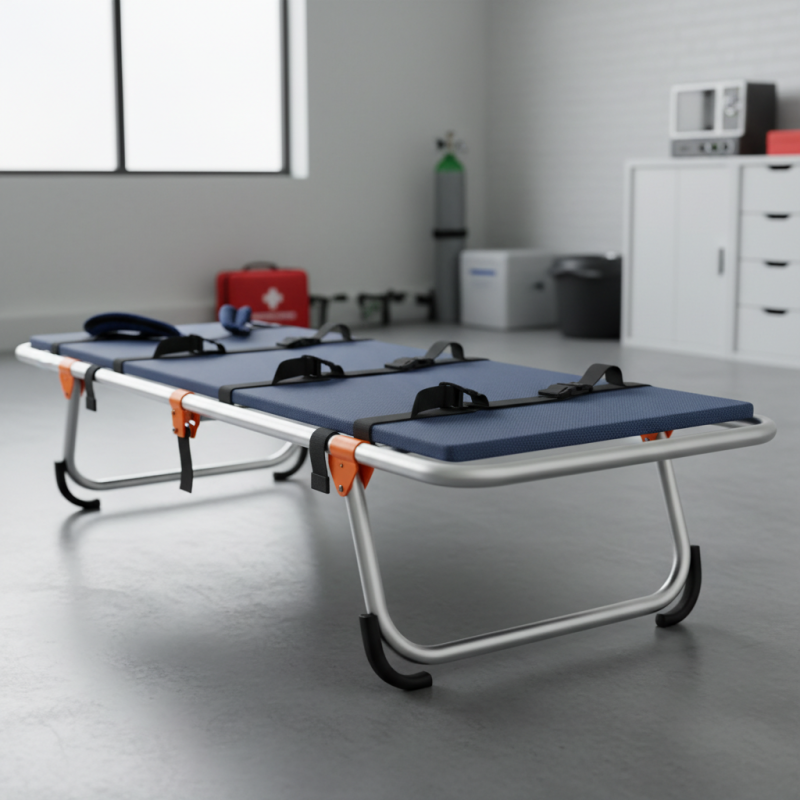
Essential Safety Features in a Folding Stretcher to Consider?

Overview of Key Safety Features in Folding Stretchers

When considering a folding stretcher, safety features play a crucial role. A sturdy frame ensures durability. Materials should be lightweight yet strong, ideal for quick transport. Reinforcements at key stress points enhance stability during use. It is essential to check the locking mechanisms. They must be reliable to prevent accidental collapses.

Straps and harnesses are vital for securing patients safely. High-quality materials reduce the risk of wear and tear. Reflective strips or bright colors can increase visibility in low-light conditions. Easy-to-clean surfaces are also important, ensuring proper sanitation after each use.

However, not all stretchers meet these criteria. Some may lack adequate padding, causing discomfort. Others may not fold as reliably as expected, posing risks during emergency situations. Thus, examining user feedback and testing in real scenarios can help identify flaws. Choosing a stretcher requires careful consideration of each feature’s effectiveness.

Criteria for Selecting a Safe and Reliable Folding Stretcher

When selecting a folding stretcher, safety should always come first. The National Association of Emergency Medical Technicians (NAEMT) highlights several critical criteria to ensure reliability. Stretcher weight capacity is paramount; many stretchers can support up to 500 pounds. Choosing one with an adequate capacity is essential to avoid accidents and ensure patient safety.

The frame material also significantly affects durability. Aluminum frames are lightweight yet strong. This material is corrosion-resistant, improving longevity. A folding stretcher should also include features such as safety straps and quick-release mechanisms. These ensure swift handling during emergencies. Reports show that over 30% of stretcher injuries occur due to faulty mechanisms. Investing in quality components can minimize these risks.

Tip: Always inspect the stretcher before use. Look out for signs of wear and tear. Regular maintenance can prevent unexpected failures during critical moments. Ensure the straps are functional and that the frame locks securely. This creates a safer experience for both the patient and the caregiver. A reliable folding stretcher can save lives, but its effectiveness hinges on thoughtful selection and maintenance.

Design Elements That Enhance Patient Security During Transport

When considering patient transport, safety features in a folding stretcher are vital. A secure base prevents unwanted movement during transit. Look for stretchers with sturdy frames made from durable materials. Reinforcement at stress points adds to their reliability. Slip-resistant surfaces can enhance grip, which is crucial on challenging terrains.

Straps are another essential element. Quality straps ensure patients are held securely without compromising comfort. Adjustable harnesses accommodate different body sizes. This adaptability is vital for effective safety. Consider quick-release mechanisms for emergency situations. They can make a significant difference when every second counts.

Additionally, lightweight designs facilitate easier handling. However, a trade-off might be durability. It's important to find a balance. Regular inspections are crucial. They help identify wear and tear, ensuring the stretcher's ongoing reliability. Despite the best designs, any medical transport device can face limitations. A thorough understanding of these elements can improve overall safety in patient care.

Maintenance and Inspection Practices for Ensuring Safety

When it comes to folding stretchers, maintenance and inspection are crucial for safety. Regular checks ensure that these vital pieces of equipment function properly. Inspecting hinges and locking mechanisms should be routine. Any wear or damage can jeopardize patient safety. Look for rust or corrosion, especially in outdoor environments. These factors can compromise the stretcher’s integrity.

Cleaning also plays a significant role in maintenance. A dirty stretcher can harbor bacteria. Use appropriate cleaning agents to disinfect stretchers after each use. Pay special attention to the fabric and seams. They often collect dirt and fluids that can create health risks. Regular inspections should include checking for fabric tears and frayed edges. These issues can lead to failure during a critical moment.

Documentation is often overlooked but essential. Keeping a log of inspections and maintenance steps taken can help identify patterns. If problems arise frequently, it may be time to reevaluate the equipment used. Being diligent with these practices doesn’t just ensure compliance; it can save lives. Even small lapses can lead to significant consequences. Therefore, thorough inspection and maintenance cannot be neglected.

Additional Safety Accessories and Emergency Features

When choosing a folding stretcher, emergency features play a crucial role in ensuring patient safety. Essential accessories include safety straps, which should be adjustable and durable to withstand sudden movements. According to a 2022 report by the National Institute of Emergency Medical Services, improper securing of patients can increase injury risk by 30%. Straps that are easy to operate are vital in high-pressure situations, allowing quick adjustments.

Another important attribute is the stretcher's surface material. Non-slip and water-resistant materials enhance traction and hygiene, minimizing risk during transport. A study published in the Journal of Emergency Medicine noted that surfaces with better grip reduced accidents by 25% in field tests. Additionally, visible emergency indicators, such as reflective strips or bright colors, intensify visibility during low-light conditions.

Consideration for weight limits is equally critical. Many stretchers support weights up to 300 pounds, but monitoring is essential. Overloaded equipment can lead to failure, jeopardizing both patient and operator safety. Regular inspections for wear and tear can detect potential issues before they become critical. Awareness and preparation remain key in effectively handling emergencies, but there is always room for improvement in design and usability.

FAQS

: What should I consider when selecting a folding stretcher?

: Always prioritize safety and ensure it has a suitable weight capacity. Check if it can support at least 500 pounds.

How important is the frame material of a stretcher?

The frame material affects durability. Lightweight aluminum is corrosion-resistant and enhances the stretcher's longevity.

Why are safety features like straps necessary?

Safety straps help secure patients. Their proper functioning is crucial in emergencies to prevent additional injuries.

How often should I inspect my folding stretcher?

Routine checks are vital. Inspecting it before and after use can spot wear and tear, preventing potential failures.

How does cleaning impact stretcher safety?

Regular cleaning is essential. A dirty stretcher can harbor bacteria and pose health risks during patient transport.

What emergency features should a stretcher have?

Look for adjustable safety straps and non-slip, water-resistant surface materials for enhanced traction and hygiene.

How can I track the condition of my stretcher?

Keeping a documentation log of inspections and maintenance can help identify patterns and recurring issues over time.

What risks are associated with overloaded stretchers?

Overloading can lead to equipment failure. Always monitor weight limits to ensure safety for both patients and caregivers.

What small lapses could lead to significant consequences?

Neglecting minor maintenance tasks can have serious consequences. Every detail matters in ensuring reliable equipment performance.

How does visibility impact stretcher safety in emergencies?

Visible emergency indicators, like reflective strips, increase visibility in low-light situations, enhancing overall safety.

Conclusion

When considering the question, "What are the safety features to look for in a folding stretcher?", it is essential to evaluate several key safety characteristics. The first aspect is the overall design that should prioritize patient security during transport, including sturdy construction and secure locking mechanisms. Additionally, features such as adjustable safety straps and non-slip surfaces significantly enhance patient protection.

Selecting a reliable folding stretcher also involves understanding the criteria for safety, such as weight capacity, ease of use, and portability. Regular maintenance and inspection practices are crucial to ensure that the stretcher remains safe over time. Moreover, incorporating additional safety accessories and emergency features, such as reflective strips and quick-release mechanisms, further elevates the safety standards of the stretcher, ensuring optimal care and security for patients during transportation.

Sophia

Sophia

Sophia is a dedicated marketing professional with an exceptional depth of knowledge about her company's products and services. With a keen understanding of market trends and customer needs, she crafts insightful blog posts that not only inform but also engage readers, enriching the company’s online......