Essential Accessories for Complete Emergency Stretcher Setup?

Time:2026-07-03 Author:Ethan
0%

In emergency situations, preparedness is crucial. Having the right tools can make a significant difference. This raises an important question: "What accessories are essential for a complete emergency stretcher setup?" A properly equipped stretcher can facilitate swift and safe patient transport, reducing the risk of complications.

Key accessories include securing straps, head immobilizers, and additional cushioning for comfort. Each item plays a vital role in ensuring patient safety. However, many overlook these accessories, focusing solely on the stretcher itself. This gap in understanding can lead to ineffective emergency responses.

Furthermore, considerations like weight and portability are often neglected. Lightweight accessories can dramatically improve handling. However, in the rush of emergencies, it's easy to miss these details. Reflecting on our setup choices can enhance future preparedness and response.
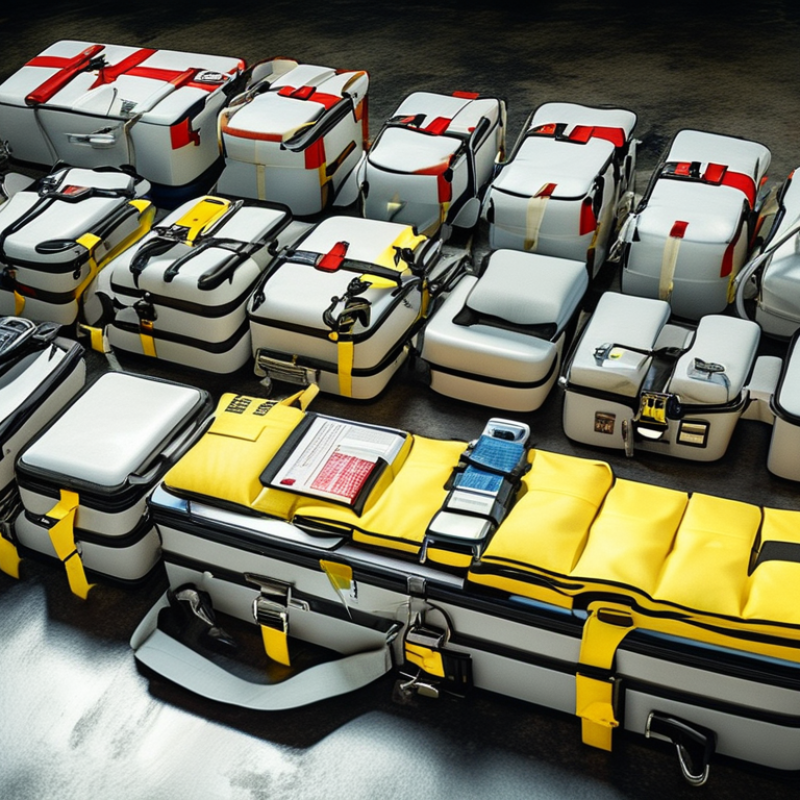
Essential Accessories for Complete Emergency Stretcher Setup?

Essential Components for an Emergency Stretcher Setup

When setting up an emergency stretcher, having the right components is crucial. A study from the National Association of Emergency Medical Technicians highlights that proper equipment can enhance patient safety and reduce the time to treatment. Essential components include durable straps to secure the patient, adjustable backrests for comfort, and wheels for easy transport. Each element plays a vital role in ensuring a successful transfer of care.

It's also important to consider the stretcher's weight capacity. Many recent reports indicate that emergency patients can average over 200 pounds. Stretcher designs must accommodate various body types. Additionally, incorporating reflective materials can significantly increase visibility during nighttime or low-light situations, enhancing safety.

Training is often overlooked. Personnel must be familiar with the stretcher's functions and emergency protocols. Simulations help staff identify gaps in knowledge and practice. Inadequate training can lead to accidents or inefficient transfers, highlighting the need for continuous education in emergency response. Each of these aspects requires thorough consideration and ongoing evaluation to improve effectiveness in emergency situations.

Key Safety Features for Emergency Stretchers

Emergency stretchers play a vital role in medical scenarios. When selecting or setting up an emergency stretcher, key safety features must not be overlooked. One important aspect is a sturdy frame. A strong frame ensures it can support a patient’s weight effectively. The stretcher should also have secure locking mechanisms. This prevents accidental collapse during transport.

Having a padded surface is essential for patient comfort. It minimizes the risk of injury during movement. Safety straps are critical, too. They secure patients and keep them stable. This reduces the chance of falls, especially in chaotic environments.

Tip: Always perform a pre-use inspection. Ensure all components are intact. Regular maintenance can prevent equipment failure.

Emergency stretchers often come with reflective materials. This is essential for visibility in low-light situations. Additionally, consider weight and portability. A lightweight stretcher is easier to handle in emergencies.

Tip: Create a checklist for equipment. This can help in ensuring everything is ready to go. Having reliable safety features makes a difference in critical moments. Always ensure your team is trained on proper usage.

Additional Tools for Efficient Stretcher Use

In emergency situations, the efficient use of a stretcher relies heavily on key accessories. A recent report by the National Association of EMS Professionals indicates that using specialized tools can enhance emergency response times by up to 25%. Essential items include padding, straps, and safety blankets. These accessories ensure both patient comfort and secure transport.

Padding provides support, reducing the risk of injury during transport. Straps keep the patient stable, preventing secondary injuries. Safety blankets help maintain body temperature, crucial in shock cases. Case studies show effective accessory use significantly improves patient outcomes.

Additionally, communication devices play a vital role. They allow responders to coordinate efforts effectively. This can prevent mistakes and enhance patient care. However, training on accessory use is often overlooked. A staggering 40% of incidents report improper usage. Regular drills can bridge this gap and reinforce efficiency.

Recommended Accessories for Enhanced Patient Care

When setting up an emergency stretcher, having the right accessories can greatly enhance patient care. One fundamental accessory is a sturdy adjustable head immobilizer. It minimizes neck movement and provides support during transport. This is crucial in trauma situations where protecting the spine is essential. Additionally, a quality stretcher pad offers comfort and stability, which helps to calm anxious patients.

Another important element is the presence of restraint straps. While they are sometimes overlooked, these straps are vital for keeping the patient secure during transport. They prevent sudden movements that could lead to further injury. The inclusion of a lightweight blanket is also worth noting. It helps maintain body temperature, which is often critical in emergency scenarios.

While all these accessories are necessary, it’s easy to overlook the need for regular checks. Equipment may degrade over time, and it is a common oversight to assume everything is in good condition without inspection. Reflecting on past experiences can guide improvements. Being vigilant ensures that accessories are not only available but also functional when needed most.

Maintenance Tips for Emergency Stretcher Equipment

Emergency stretchers are crucial for first responders. Proper maintenance of these essential tools can enhance safety and effectiveness. Regular checks and cleaning are vital. Stretcher frames should be inspected for rust or damage. Any issues must be addressed promptly.

Tips for maintaining your equipment include:

- Always clean stretchers after each use. Blood or fluids can harbor bacteria.
- Store them in a dry place. Moisture can cause corrosion.
- Check straps and buckles regularly for wear and tear. A frayed strap can lead to unsafe situations.

Training staff on these maintenance tips is necessary. Knowledge about equipment upkeep should be part of emergency training. Regular drills might reveal gaps in skills. Engaging in routine checks keeps everyone prepared. Don’t overlook the importance of this practice. Regular maintenance reflects preparedness and professionalism.

Essential Accessories for Complete Emergency Stretcher Setup

This chart illustrates the most essential accessories required for a complete emergency stretcher setup, along with their respective importance ratings.

FAQS

: What are essential components for setting up an emergency stretcher?

: Key components include durable straps, adjustable backrests, and wheels for transport. Each element enhances patient care.

Why is weight capacity important for an emergency stretcher?

Stretchers must accommodate various body types. Many emergency patients weigh over 200 pounds. Proper design is necessary.

How do reflective materials improve safety during emergencies?

Reflective materials increase visibility in low-light situations. This enhances safety for both patients and responders.

What role does training play in using emergency stretchers?

Personnel must understand stretcher functions and emergency protocols. Inadequate training can lead to accidents and delays.

What key safety features should emergency stretchers have?

Sturdy frames, secure locking mechanisms, padded surfaces, and safety straps are vital. These features reduce the risk of falls.

How can regular maintenance improve emergency stretcher effectiveness?

Regular checks help identify rust or damage. Cleaning and proper storage prevent bacterial growth and corrosion.

What maintenance tips should be followed for emergency stretchers?

Clean them after each use, store them dry, and check straps regularly for wear. Gaps in these areas can lead to unsafe situations.

How can pre-use inspections aid in emergency situations?

Performing a pre-use inspection ensures all components work properly. This helps in avoiding equipment failure during critical moments.

Why is it essential to train staff on maintenance practices?

Training ensures everyone understands equipment upkeep. Regular drills can highlight skill gaps and improve overall readiness.

What practical approach can ensure preparedness for emergencies?

Creating a checklist for equipment helps ensure readiness. Regular maintenance and training reflect professionalism in emergency responses.

Conclusion

In the article titled "Essential Accessories for Complete Emergency Stretcher Setup," we explore crucial components necessary for setting up an emergency stretcher efficiently. Key safety features, such as secure fastening systems and anti-slip materials, are highlighted to ensure patient safety. Additionally, we discuss essential tools that facilitate the stretcher's effective use, including adjustable straps and supporting handles.

When considering "What accessories are essential for a complete emergency stretcher setup?" recommended additions like storage pockets for medical supplies and removable padding for patient comfort are also detailed. Finally, maintenance tips for ensuring the longevity and reliability of emergency stretcher equipment are provided, emphasizing regular inspections and proper cleaning protocols to uphold safety standards in emergency situations.

Ethan

Ethan

Ethan is a seasoned marketing professional with a deep expertise in our company's innovative product line. With a passion for sharing knowledge and insights, he takes the lead in regularly updating our corporate blog, where he explores industry trends, product features, and effective marketing......