What is the Difference Between a Scoop Stretcher and a Backboard?

Time:2026-09-05 Author:Liam
0%

When it comes to emergency medical equipment, understanding the tools available is crucial. "What is the difference between a scoop stretcher and a backboard?" is a common question among healthcare professionals. Both devices serve specific purposes in patient care and transport, but their designs and applications vary significantly.

A scoop stretcher is ideal for moving patients with minimal movement. Its split design allows rescuers to slide it under a patient without causing additional harm. This is especially useful in spinal injury cases, where stabilization is needed. Conversely, a backboard is a more rigid device that provides full-body support. It is commonly used for immobilizing patients during transport.

Each piece of equipment brings its own advantages and limitations. Knowing when to use a scoop stretcher versus a backboard can impact patient outcomes. For instance, while scoop stretchers reduce movement, they may not be suitable for all scenarios. Both tools require careful consideration and expertise to ensure effective patient care. The choice between them should reflect the specific needs of the situation at hand.
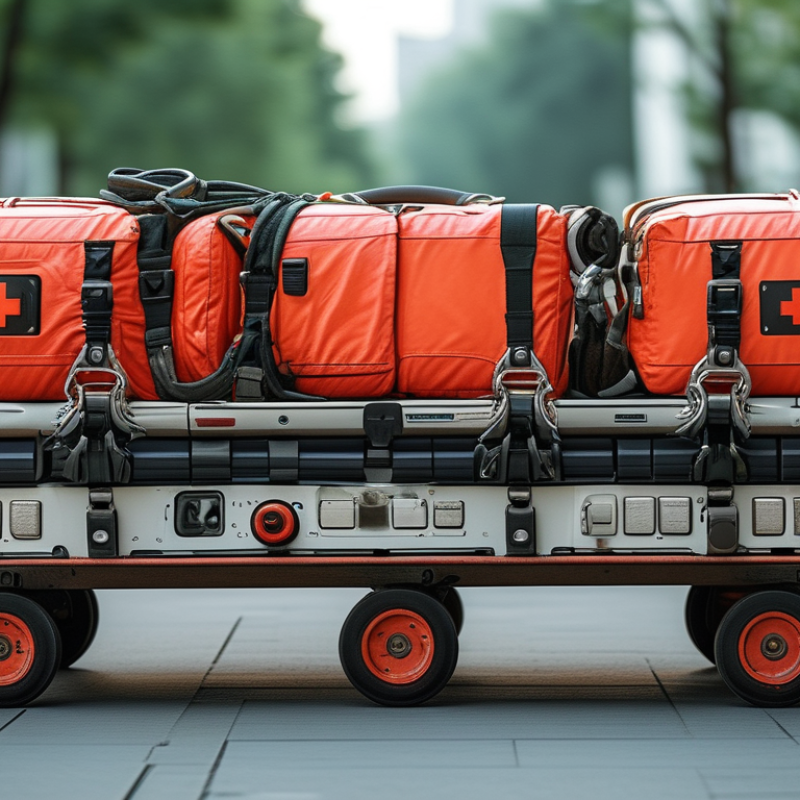
What is the Difference Between a Scoop Stretcher and a Backboard?

Comparison of Scoop Stretcher and Backboard in Emergency Care

In emergency care, both scoop stretchers and backboards serve critical roles. Scoop stretchers are designed to cradle patients gently, making them ideal for extricating individuals from tight spaces. They allow for rapid deployment since they can be split into two halves, facilitating easy access to the patient. According to a study conducted by the Journal of Trauma and Acute Care Surgery, proper use of scoop stretchers can reduce the risk of secondary injuries by up to 30% during patient transport.

On the other hand, backboards offer rigid support and are crucial for spinal immobilization. They are primarily used for patients suspected of spinal injuries, ensuring that movement is minimized during transport. The National Association of Emergency Medical Technicians reported that improper handling can lead to complications. For instance, when utilizing backboards incorrectly, up to 15% of patients may experience increased pain or discomfort. Both devices have specific applications and limitations, emphasizing the need for trained professionals to assess each situation carefully.

Comparison of Scoop Stretcher and Backboard in Emergency Care

Design Features of Scoop Stretchers and Backboards

Scoop stretchers and backboards are essential tools in emergency care. Both are designed for patient transport, yet they have distinct features. A scoop stretcher consists of two separate halves. These halves can be fitted around a patient without needing to move them. This is valuable for people with suspected spinal injuries. The design allows rescuers to lift patients safely.

Backboards, in contrast, are solid and flat. They provide support for the entire back and are useful for immobilizing patients. Typically, backboards come equipped with straps. These keep the patient secured during transport. However, moving a patient onto a backboard can be challenging. It may require more personnel to ensure safety.

Each device has its strengths. Scoop stretchers are advantageous in tight spaces. They excel at reducing movement during lifting. Backboards provide stability for longer transport needs. Nevertheless, the best choice depends on the specific situation. Understanding these tools' differences can enhance care quality. Effective training is critical. Emergency responders need hands-on experience to navigate varying scenarios.

What is the Difference Between a Scoop Stretcher and a Backboard? - Design Features of Scoop Stretchers and Backboards

Feature Scoop Stretcher Backboard
Design Two separate pieces that can scoop the patient up A solid, flat board for full-body support
Usage Best for patients with suspected spinal injuries Used for a variety of emergencies including trauma
Loading Position Lateral loading from the side Lifted conventionally from above
Weight Capacity Typically up to 300 lbs Typically up to 600 lbs
Material Aluminum or lightweight plastic Wood or durable plastic
Portability Easily collapsible and lightweight Bulkier and often heavier

Applications and Usage Scenarios for Each Device

Scoop stretchers and backboards are distinct devices, each serving vital purposes in emergency situations. Scoop stretchers are excellent for non-invasive rescues. They allow for lateral transfers of patients without moving them too much. This is crucial if you suspect spinal injuries. On the other hand, backboards are primarily designed for immobilization during transport. They help keep the patient stable, reducing movement that could worsen injuries.

When using scoop stretchers, ensure they are locked securely. An improperly secured stretcher may lead to further injury. Always check that the straps are intact and accessible. For backboards, alignment is key. Position the patient carefully on the board to prevent discomfort. Remember, this device is often used in the field, where distractions abound.

In either case, communication is vital. Discuss the plans with your team before actions. Each device has its strengths and scenarios to be effective. Reflecting on these details helps improve patient care in emergencies. Different organizations may have different protocols as well. Stay updated on best practices to ensure reliable usage of these tools.

Advantages and Disadvantages: Scoop Stretcher vs. Backboard

When comparing a scoop stretcher to a backboard, both tools serve essential roles in emergency medical situations. A scoop stretcher is designed to separate into two halves, allowing for lateral entry, crucial in rescuing patients without causing additional injury. Its design is lightweight and portable, making it convenient for first responders. However, it has limitations. It is not as rigid as a backboard, which can be problematic for transporting spinal injury patients.

On the other hand, a backboard offers a solid, stable surface for immobilizing victims. Its rigidity helps prevent movements that might exacerbate injuries. Many medical professionals prefer backboards for serious trauma cases. Yet, this stability can make it cumbersome to place patients onto them. The generally heavier construction can also be a challenge, especially in cramped quarters during an emergency.

Both options have their strengths and weaknesses. Choosing between them requires careful consideration of the specific situation and the patient's condition. Understanding these differences can lead to better outcomes in emergencies, but it emphasizes the need for continuous training and reflection on best practices in patient care.

Safety Considerations When Using Scoop Stretchers and Backboards

When considering emergency medical equipment, safety is paramount. Both scoop stretchers and backboards play crucial roles, but their safety aspects differ significantly. According to a study published by the National Association of Emergency Medical Technicians, scoop stretchers reduce the risk of additional injury during patient transfer. They allow for a more controlled approach, especially in spinal injuries.
In the field, the use of backboards often raises concerns about patient comfort and secondary injuries. Research indicates that up to 30% of patients experience pressure sores or discomfort when secured to a rigid backboard for extended periods. Furthermore, improper strapping can cause further trauma in certain scenarios. This highlights the importance of proper training and awareness when utilizing either device. Recognizing the specific situation can guide emergency personnel in making informed choices for patient safety.

While scoop stretchers seem advantageous in many cases, they are not universally applicable. Emergency responders must assess the patient's condition carefully. A mid-level report notes that in 25% of instances, wrong equipment choice led to complications during transport. This underscores the need for ongoing training and improvement in using these devices effectively.

FAQS

: What is the primary function of a scoop stretcher?

: A scoop stretcher is designed to cradle patients gently for safe extrication from tight spaces.

How do scoop stretchers reduce the risk of injuries?

Proper use of scoop stretchers can reduce secondary injuries by up to 30% during transportation.

What is the main advantage of using backboards?

Backboards provide rigid support, crucial for immobilizing patients with suspected spinal injuries.

What are the drawbacks of backboard usage?

Improper handling can lead to increased pain or discomfort in up to 15% of patients.

Why might a scoop stretcher not be suitable for all patients?

Scoop stretchers may lack the rigidity needed for transporting patients with spinal injuries.

What issue is commonly reported with backboards during prolonged use?

Around 30% of patients experience pressure sores or discomfort when secured for long periods.

What is a common challenge when using backboards in emergencies?

Their heavier construction can complicate placement in cramped emergency situations.

How important is training for emergency responders regarding these devices?

Continuous training is vital, as 25% of cases had complications due to equipment misuse.

Can scoop stretchers be deployed quickly?

Yes, scoop stretchers can be split into two halves for rapid patient access.

What factors should emergency personnel consider when choosing equipment?

Assessing the patient's condition is crucial for determining the appropriate device for safe transport.

Conclusion

In emergency care, understanding "What is the difference between a scoop stretcher and a backboard?" is essential for effective patient management. Scoop stretchers are designed to allow for quick and easy access to patients by splitting into two halves, facilitating transfer without unwanted movement. In contrast, backboards offer a rigid surface for spinal immobilization, providing stability during transport.

Each device has its own design features and applications, with scoop stretchers being particularly useful in tight spaces or for patients with suspected pelvic injuries, while backboards are necessary for suspected spinal injuries. Moreover, both devices come with their own advantages and disadvantages in terms of maneuverability, safety, and ease of use, making it vital for emergency responders to be trained in the appropriate scenarios for their application. Safety considerations must also be addressed to ensure patient well-being during the transfer process.

Liam

Liam

Liam is a dedicated marketing professional with a profound expertise in the industry, where he excels at highlighting the unique advantages of our core products. With a keen understanding of market trends and consumer needs, Liam frequently updates our company’s professional blog, providing......