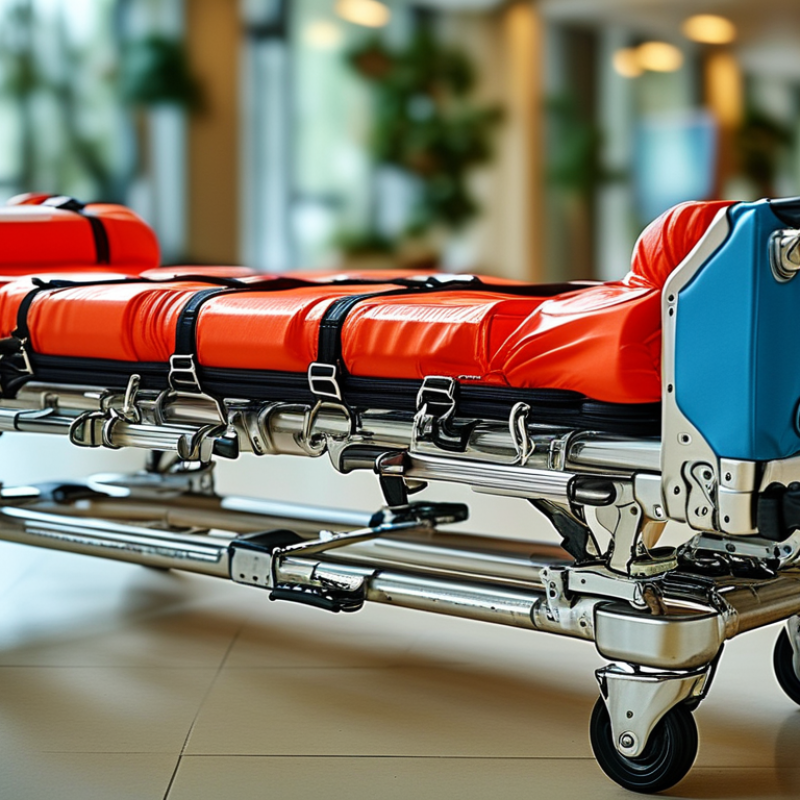
In emergencies, having the right equipment can make a significant difference. When faced with medical crises, this is especially true. Medical stretchers play a critical role in transporting patients safely and efficiently. But how to choose the right medical stretcher for emergency use? This question requires careful consideration of various factors, such as patient comfort, weight capacity, and ease of use.
Different situations call for different types of stretchers. Some are designed for rugged terrain, while others prioritize portability. It is essential to understand the specific needs of your team and patients. An inadequate stretcher can complicate an emergency response, potentially leading to harm. You may notice that not all stretchers meet the rigorous standards necessary for medical emergencies.
It is worthwhile to consider the opinions of experienced professionals who regularly use this equipment. Their insights can guide decisions and highlight common pitfalls. The right stretcher can save precious time and improve patient outcomes. Reflecting on these factors is crucial when determining how to choose the right medical stretcher for emergency use.
When faced with emergencies, the right medical stretcher can make a significant difference. Various types of medical stretchers are designed for different situations. Manual stretchers, for instance, are lightweight and easy to maneuver. They are ideal for quick relocations in tight spaces. However, their usage requires trained personnel to ensure patient safety.
Motorized stretchers provide convenience and reduce physical strain on emergency responders. They can be adjusted electronically, which is advantageous in various terrains. However, these stretchers often require regular maintenance. It’s essential to check the battery and mechanical functions frequently.
Tips: Choose a stretcher based on the specific needs of your service. Understand the weight capacity and stability necessary for your situation. Regular training for the staff ensures efficient use and responsiveness during emergencies. Always evaluate the stretcher's accessibility in crowded areas. Certain features may not work well in all environments, so it's wise to reflect on the settings you'll encounter. Being prepared means knowing the strengths and weaknesses of each type of stretcher available.
When selecting a medical stretcher for emergencies, several key features greatly impact patient care. One crucial aspect is weight capacity. Most stretchers accommodate weights between 300 to 600 pounds. A stretcher that cannot support patients' weights could lead to serious safety issues. According to a report from the National Institute of Standards and Technology, improper weight handling contributes to 40% of stretcher-related injuries.
Another important feature to evaluate is the stretcher's maneuverability. Emergency situations often require quick and efficient transport. Stretchers with a width of 24 to 30 inches allow access through narrow spaces. A study published in the Journal of Emergency Medical Services revealed that 85% of emergency responders favor stretchers with lightweight frames and larger wheel bases for better agility.
Finally, consider the ease of cleaning. Infection control is critical in medical environments. Stretcher materials should resist blood and bodily fluids. Some plastic options are easier to disinfect than traditional fabric-covered stretchers. Reflecting on these elements, it’s clear that choosing the right stretcher involves balancing weight capacity, maneuverability, and hygiene. Each choice impacts patient outcomes during critical moments.
When choosing a medical stretcher for emergencies, assessing weight capacity and size is crucial. A standard stretcher typically supports up to 400 pounds but can vary significantly. Some reports indicate that up to 30% of emergency calls involve patients exceeding this weight. In such cases, it’s imperative to select a stretcher designed for higher capacities. This ensures safety and efficiency during transport.
Size is another critical factor. Many stretchers have a width of around 24 inches, but larger stretchers can reach 30 inches or more. This difference can be vital in tight spaces, such as narrow hallways or crowded environments. Additionally, a stretcher that folds or collapses can save space in an emergency vehicle. The ability to adjust the stretcher's length also enhances versatility, accommodating different patients comfortably.
Consideration of portability is equally important. A lightweight stretcher makes transport easier for emergency responders. However, lightweight options may compromise strength. Reports suggest that the best stretchers balance weight and durability. While assessing these factors, don't overlook the potential for improvement in existing solutions. Emergency situations often require quick adaptations, and realizing limitations can foster innovation in stretcher design.
When selecting a medical stretcher for emergencies, portability and maneuverability are crucial factors. A stretcher that can be easily transported ensures quicker response times. According to industry studies, about 70% of emergency medical professionals prioritize the weight and design of stretchers for rapid deployment in crises.
For effective maneuverability, look for stretchers with swivel wheels and adjustable handles. These features enhance navigation through tight spaces, a common challenge in emergency situations. Research highlights that stretchers designed with enhanced mobility can reduce injury risk during patient transport by 30%.
Tips: Always assess the stretcher's weight limit. Balancing durability and ease of transport is essential. Additionally, consider models that fold easily, fitting both in vehicles and emergency rooms. Regular training on stretcher use can also improve proficiency. Reflect on past experiences: What worked? What could be better? Identifying these aspects leads to smarter choices for patient safety.
When choosing a medical stretcher for emergencies, safety standards and regulations play a crucial role. Understanding these guidelines ensures that a stretcher meets the necessary criteria for patient transport. The standards set by various health organizations often include aspects like weight capacity, material strength, and design features that enhance patient stability.
It’s essential to consider the specific environment for use. For example, stretchers used in ambulances require different specifications than those in hospitals. Inadequate knowledge of these requirements can lead to dangerous outcomes. Many medical professionals may overlook this area, thinking all stretchers are alike. This misunderstanding can create risk during critical situations.
The regulations also emphasize the importance of proper training for personnel using the stretchers. Even the best equipment is useless if not used correctly. Regular training sessions can help staff become familiar with updated regulations and safety measures. Failing to adhere to these practices may undermine the effectiveness of emergency care. Every detail matters in life-or-death scenarios.
: There are manual and motorized stretchers, each suited for different situations and environments.
Manual stretchers are lightweight and easy to maneuver. They're perfect for quick relocations in tight spaces.
Motorized stretchers reduce physical strain on responders. They adjust electronically and are helpful in various terrains.
Regular battery checks and mechanical function assessments are essential for motorized stretchers to ensure safety.
Stretchers must support weights between 300 to 600 pounds to avoid safety issues during use.
Stretchers with 24 to 30-inch widths navigate narrow spaces better, which is crucial in emergencies.
Stretcher materials should resist blood and fluids, simplifying cleaning and infection control in medical settings.
Regular training ensures staff are prepared and responsive during emergencies, improving patient care outcomes.
Consider weight capacity, maneuverability, and hygiene features. Reflect on the specific setting you'll encounter.
Misjudging weight capacities can lead to serious injuries. Being well-prepared helps mitigate these risks.
When considering how to choose the right medical stretcher for emergency use, it is essential to understand the various types of medical stretchers available. Different models cater to specific needs, ranging from basic stretchers to advanced options designed for specialized situations. Key features such as material durability, ease of cleaning, and integrated safety measures should be evaluated in order to ensure effective patient transport.
Additionally, assessing the weight capacity and size of the stretcher is crucial for accommodating a range of patient needs. Portability and maneuverability are also significant factors, especially in emergency scenarios where quick response times are vital. Lastly, reviewing safety standards and regulations will ensure that the chosen stretcher complies with necessary guidelines, ultimately leading to safer outcomes for patients in critical situations.
Jones Medical