In emergency situations, having the right medical stretcher can make a significant difference. Choosing the best stretcher requires careful consideration. Dr. Emily Johnson, a leading expert in emergency medical services, emphasizes, "The right stretcher can save lives in critical moments."
When faced with emergencies, paramedics need efficiency and reliability. A stretcher must be lightweight yet sturdy, offering easy maneuverability. It should also accommodate different patient sizes while ensuring safety. Inadequate choices can lead to delays, risking patient outcomes.
Understanding how to choose the right medical stretcher for emergency use? requires attention to various factors. The construction material, weight capacity, and design are crucial. Moreover, reflect on user-friendliness; stretchers with complex mechanisms can complicate urgent situations. A better understanding can lead to improved care and faster response times.
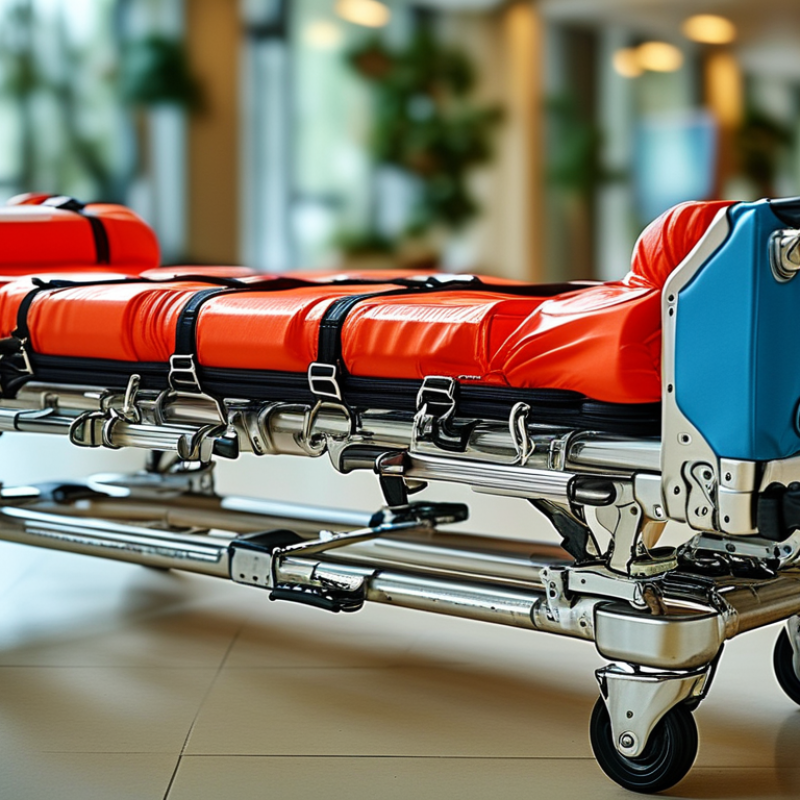
When choosing a medical stretcher for emergencies, your specific needs play a crucial role. Different scenarios require distinct features. Consider the environment where you will use the stretcher. Will it be in tight spaces, like in a building? A narrower stretcher could be more practical. If you are in an outdoor setting, a more robust, portable design is essential. Think about how many patients you might need to transport simultaneously.
Another important factor is the type of injuries you're likely to encounter. A stretcher with adjustable back support can aid those with spinal injuries. Consider the weight capacity as well. Heavy-duty stretchers accommodate larger patients safely. The ease of use is vital, too. Some designs are more intuitive than others. Don't overlook the training your team has with various stretcher types. Familiarity increases effectiveness during emergencies.
Reflect on past experiences. Did your team struggle with a stretcher before? Learning from those situations can guide your decision. Remember, no single stretcher fits all scenarios. A balance of features and usability is key. Prioritize what matters most for your unique circumstances, and involve your team in the selection process.
When evaluating different types of medical stretchers, it's crucial to consider their design and functionality. The most common types include wheeled stretchers, portable stretchers, and folding stretchers. Wheeled stretchers offer ease of transport within facilities. They are typically used in hospitals. On the other hand, portable and folding stretchers are essential for emergency medical services in outdoor settings. They allow quick deployment in various situations.
Material and weight capacity are also significant factors. Stretchers made of lightweight yet durable material are easier to maneuver. A stretcher that cannot accommodate the patient’s weight safely poses risks. Reflection on the usage in diverse scenarios is necessary. Some stretchers might not perform well on uneven terrain. This limitation can affect the patient’s comfort and safety during transport.
Moreover, consider compatibility with existing equipment. A stretcher that does not fit with a specific ambulance or medical device can create serious logistical challenges. Not all stretchers are equally effective for various emergencies. Assessing the specific needs will help prevent over-reliance on a single type of stretcher. Flexibility and adaptability in choices can significantly improve emergency response efforts.
When choosing a medical stretcher, weight capacity and durability are critical factors. A stretcher needs to safely accommodate patients of various sizes. This means understanding the maximum weight it can hold is essential. Often, stretchers have weight limits ranging from 300 to 800 pounds. Therefore, assessing this capacity ensures the stretcher is suitable for your needs.
Durability goes hand in hand with weight capacity. The materials used in the stretcher greatly influence its lifespan. Consider stretchers made from robust metals and puncture-resistant fabrics. These materials will withstand the rigors of emergency usage. A careful inspection of the joints and wheels is necessary. Weak points may lead to malfunctions when least expected.
Tips for selecting the right stretcher include checking for user reviews. Real experiences provide insights on durability. Ensuring that the stretcher has undergone rigorous testing can also add to its credibility. Additionally, consider how easy it is to maneuver the stretcher in tight spaces. Remember, even minor design flaws can impact usability in emergencies. Prioritize a stretcher that combines strength with functionality for the best performance during critical situations.
When choosing a medical stretcher for emergencies, three key features are crucial: mobility, safety, and comfort. Mobility is essential for quick transportation in crowded or tight spaces. Look for lightweight materials and wheels designed for easy maneuverability. If the stretcher is cumbersome, it could delay urgent care, impacting patient outcomes. Consider features like collapsible designs that facilitate swift transport in various situations.
Safety features are equally important. A stretcher must securely hold the patient during transit. Look for adjustable straps and safety locks to prevent accidental slips. The stretcher should also meet safety standards, ensuring it can withstand rigorous use. It's vital to ensure these features are functional and reliable, as even minor issues can lead to significant risks.
Comfort cannot be overlooked. A padded surface is important, especially for patients in distress. However, integrating comfort can sometimes compromise safety or mobility. Finding the right balance requires careful consideration. It's important to evaluate how each feature influences patient care. Be prepared to reflect on your choices and their consequences during emergencies.
When selecting a medical stretcher for emergencies, compliance with medical standards is crucial. A compliant stretcher ensures safety for both patients and medical personnel. Look for stretchers that meet local and national regulations. These standards often cover materials, weight capacity, and design features.
It's vital to consider the healthcare environment. Some stretchers are designed for rugged terrain, while others are suited for indoor use. This specificity can impact emergency response. Regular inspection is necessary to maintain compliance. A stretcher that seems functional may not meet all standards, leaving room for errors in critical moments.
Training staff on the proper use of stretchers can enhance their effectiveness. Even compliant stretchers can pose risks if used incorrectly. Familiarity with both the equipment and relevant regulations ensures that every emergency is handled efficiently. Remember, compliance is an ongoing process, not a one-time check. Regular audits can help maintain high standards in patient care.
| Feature | Description | Compliance Standard | Weight Capacity | Portability |
|---|---|---|---|---|
| Durability | Constructed with strong materials to withstand heavy use. | ISO 13485 | Up to 300 lbs | Foldable design |
| Adjustability | Height adjustable for different scenarios. | CE Marking | Up to 500 lbs | Wheeled design |
| Safety Features | Includes safety straps and side rails. | FDA Approval | Up to 400 lbs | Compact and lightweight |
| Ease of Use | Simple mechanisms for quick operation in emergencies. | ASTM Standards | Up to 350 lbs | Easily transportable |
: Common types include wheeled stretchers, portable stretchers, and folding stretchers. Each serves different needs in healthcare.
Weight capacity is critical. A stretcher must safely accommodate patients, with limits often between 300 to 800 pounds.
Look for lightweight but durable materials. Robust metals and puncture-resistant fabrics are ideal for emergency use.
Good mobility allows quick access in tight spaces. A cumbersome stretcher can significantly delay patient transport.
Essential safety features include adjustable straps and safety locks. These prevent accidents during transport.
Comfort features, like padding, help distressed patients, but must not compromise safety or mobility. Balancing these is crucial.
Consider how each feature impacts patient care and overall safety. Each decision has potential consequences in emergencies.
User experiences offer insights on durability and usability. Check reviews to avoid common pitfalls associated with specific models.
A stretcher must fit with existing medical devices. Compatibility issues can cause logistical challenges during emergencies.
When considering how to choose the right medical stretcher for emergency use, it's essential to assess specific emergency needs and scenarios. Different types of medical stretchers serve various purposes, so understanding their features and applications is key. Furthermore, evaluating the weight capacity and durability of the stretcher ensures it can withstand the demands of emergency situations.
In addition to functionality, look for critical features such as mobility, safety, and comfort to enhance the overall effectiveness of the stretcher. Lastly, ensuring that the stretcher complies with relevant medical standards and regulations is vital for guaranteeing safety and reliability in emergency care. By taking these factors into account, you can make an informed decision that meets the urgent requirements of medical emergencies.

Jones Medical