Choosing the right stretcher in emergency situations is crucial. Various types serve distinct needs. This raises a common question: "When should you use a basket stretcher instead of a folding one?" Understanding the differences can enhance safety and efficiency during rescue operations.
Basket stretchers are robust and designed for rough terrain. They provide stable support for patients during transport. In contrast, folding stretchers are lighter and more mobile. They work well in tight spaces. Each type has its own advantages and limitations. Knowing which to select can impact patient outcomes.
In real-world scenarios, responders often face dilemmas. A basket stretcher excels in rugged areas, yet its bulkiness can slow operations. Conversely, a folding stretcher is easy to maneuver but may lack the necessary support for serious injuries. Evaluating the environment and patient condition is essential. Factors such as weather, terrain, and injury severity must guide the decision.
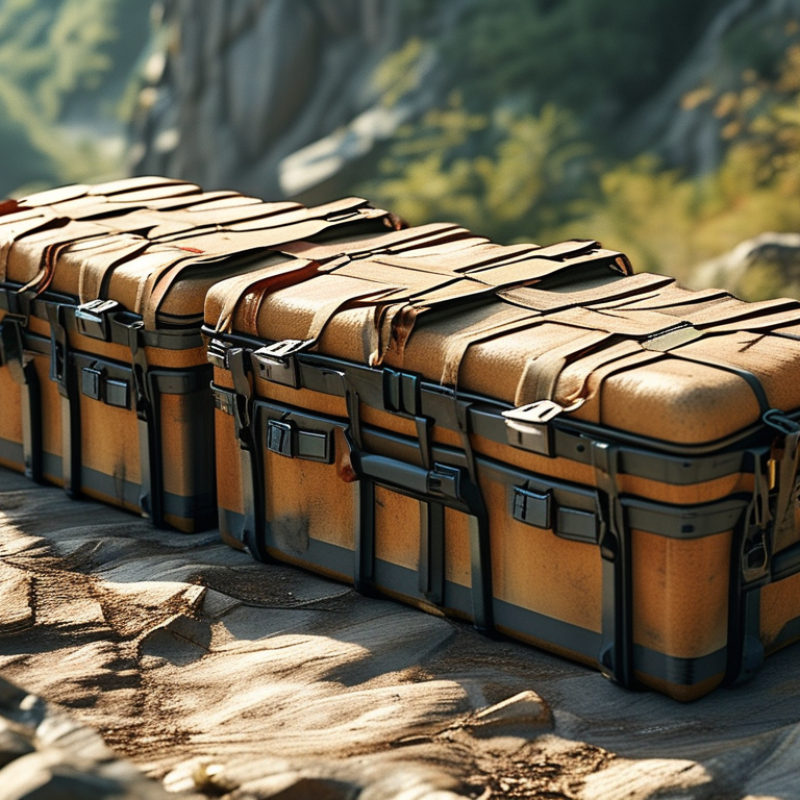
When it comes to emergency situations, choosing the right stretcher is crucial. Basket stretchers and folding stretchers serve different purposes and environments. Basket stretchers are ideal for rough terrains, providing stability and security. Their rigid structure allows for safe transport in outdoor conditions. On the other hand, folding stretchers are portable. They can be easily stored and deployed in confined spaces. Their lightweight design makes them suitable for quick responses in urban settings.
Considering your environment is essential when selecting a stretcher. For rugged terrains or scenarios involving water rescues, basket stretchers shine. They can safely cradle individuals, preventing further injury. Meanwhile, if your aim is quick access and efficient transport in tight spots, folding stretchers are the better choice. They’re convenient in emergencies where speed matters most.
Check dimensions before purchasing. Ensure the stretcher fits common rescue scenarios. It’s important to evaluate the weight capacity as well. A stretcher that is too frail may break under pressure. Also, test the stretcher’s ease of use. Getting familiar with the mechanisms can save precious time during emergencies. Trusting your equipment is key to effective rescue operations.
Choosing the right stretcher during emergencies can be crucial. A basket stretcher is ideal in challenging terrains. It supports patients securely, reducing movement during transport. On the other hand, a folding stretcher is lightweight and compact. It's perfect for situations where space is limited.
Consider the injury type. For severe trauma, a basket stretcher offers better stabilization. Its design accommodates various body types, providing comfort and safety. However, it may be cumbersome in crowded areas. A folding stretcher shines in urban settings. Its ease of use allows for quick deployment and maneuverability.
Evaluate your environment. A basket stretcher may be more effective in outdoor rescues. Rugged landscapes often require sturdy equipment. Conversely, a folding stretcher fits well in tight spots, like hallways or narrow stairs. Being aware of these factors influences your choice. Reflecting on past experiences can provide insight. What worked well before? It's essential to consider both options carefully.
This chart compares Basket Stretchers and Folding Stretchers based on five key factors: weight capacity, ease of use, stability, compactness, and cost. Basket Stretchers are typically more robust and stable, suitable for heavy-duty situations, while Folding Stretchers offer better ease of use and compactness for emergency situations requiring quick deployment.
Basket stretchers are frequently the go-to choice for rescue scenarios. The design of these stretchers provides stability and support, essential for transporting injured individuals through rough terrain. When navigating uneven ground or tight spaces, basket stretchers excel in maintaining patient safety. Their structure allows them to be easily maneuvered, often using ropes or pulleys for securing the patient.
Choosing the right stretcher requires understanding the situation. Basket stretchers are ideal for situations involving steep inclines or unstable surfaces. If you expect to navigate obstacles, a basket stretcher ensures the patient's safety. They are beneficial in confined areas because their rigid shape supports the patient firmly. On the other hand, folding stretchers might be more portable but lack the same level of support.
When using basket stretchers, remember that securing the patient is vital. Proper strapping can help prevent movement during transport. Assess the environment carefully before choosing your stretcher type. A basket stretcher may be heavier and bulkier than its folding counterpart, so consider team strength and capability. Proper training on using these stretchers can significantly enhance rescue efficiency. Share insights with your team, and learn from each experience for better future performance.
In urban environments, folding stretchers have become a go-to choice for many emergency responders. Their compact design allows for easy storage in tight spaces. When seconds count, accessibility is vital. Folding stretchers can be quickly deployed in crowded places or narrow hallways. This practical feature saves precious time during emergencies.
Moreover, the lightweight nature of folding stretchers enhances portability. First responders can transport patients with minimal effort, ensuring they can focus on care instead of equipment handling. In recent incidents, folding stretchers have proven beneficial in high-rise buildings, where elevators may be inaccessible. However, the limitations of the folding design mean that they may not be suitable for all scenarios.
While folding stretchers have their advantages, they might lack the stability of basket stretchers. Difficult terrain can pose challenges. First responders must assess the situation carefully. In some cases, relying solely on folding stretchers may lead to inadequate support for patients with severe injuries. Thus, while they are suitable for urban settings, the assessment of each unique situation is crucial for effective response.
In emergency scenarios, choosing the right stretcher can make all the difference. Basket stretchers are excellent for rough terrains. They are designed to secure patients firmly, especially in cliff rescues or during natural disasters. For instance, responders used a basket stretcher to rescue individuals from a rocky hillside. The wide base provided stability, preventing further injury during transport.
In contrast, folding stretchers offer portability and quick setup. They shine in urban settings where space can be limited. A case involved a volunteer team using a folding stretcher to evacuate a patient from a narrow apartment. The lightweight design made it easy to maneuver through tight corridors. However, the lack of rigidity compared to basket stretchers can be a concern.
Reflecting on these experiences, teams must evaluate their environments. While basket stretchers are reliable for rugged conditions, folding stretchers are practical for quicker, urban rescues. The choice often comes down to specific scenarios and available resources. Understanding these intricacies enhances overall response effectiveness.
: Basket stretchers are for rough terrains, while folding stretchers are portable for urban settings.
Use a basket stretcher in rugged terrains or water rescues for stability and safety.
Yes, folding stretchers are lightweight and can be quickly deployed in tight spaces.
Evaluate dimensions, weight capacity, and ease of use before making a purchase.
Yes, their compact design helps in quick deployment in narrow hallways and crowded places.
They may lack stability in difficult terrain, posing challenges for severely injured patients.
Familiarity with the stretcher's mechanisms can save valuable time during emergencies.
Their lightweight design enhances portability, but they may not support all patient needs effectively.
Not always; assess the situation carefully to ensure adequate support for patients.
Choosing the right stretcher based on environment and patient needs is crucial.
Choosing the right type of stretcher in emergency situations can significantly impact patient safety and care. Understanding the differences between basket stretchers and folding stretchers is crucial for responders. Basket stretchers are often preferred in rugged terrains or during water rescues due to their stability and ability to secure patients effectively. Conversely, folding stretchers are advantageous in urban environments with limited space, where quick and easy maneuverability is essential.
When considering "When should you use a basket stretcher instead of a folding one?", key factors such as the nature of the environment, patient condition, and specific rescue scenarios come into play. Industry standards often indicate that basket stretchers should be employed for complex rescues, while folding stretchers shine in situations requiring swift transport through tight spaces. Case studies underscore the importance of making informed choices based on these considerations, ensuring successful outcomes during emergencies.

Jones Medical