Effective stretcher storage is critical for small facilities. Limited space often presents unique challenges. Proper organization can improve safety and efficiency.
What are the best practices for stretcher storage in small facilities? Start by assessing your available space. Consider vertical storage options to maximize area. Using wall-mounted racks is an effective method. Ensure stretchers are easy to access. Frequent handling can lead to wear and tear. Regular inspections of equipment help maintain safety standards.
Creating a designated area for stretcher storage also helps in reducing clutter. This minimizes the risk of accidents in high-traffic areas. Communicate storage protocols with all staff members. Training is essential for effective implementation. These practices not only enhance effectiveness but also improve emergency response times. Reflect on your current setup and identify areas for improvement. A well-organized storage system can make a significant difference.
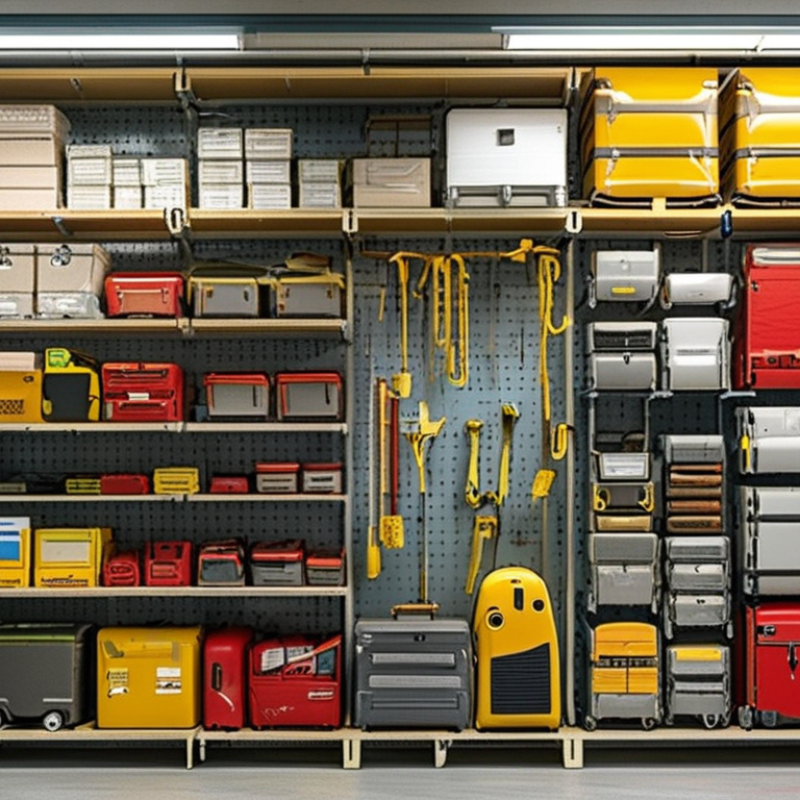
Assessing space requirements for stretcher storage in small facilities is crucial for effective healthcare delivery. Begin by evaluating your current layout. Measure available spaces meticulously. Consider the stretcher dimensions and any accessories. Aim for a design that maximizes accessibility while minimizing congestion. Safety is a top priority, so ensure clear pathways remain accessible at all times.
In small facilities, it’s easy to underestimate the storage space needed. Factors like the frequency of stretcher use and staff access times greatly influence requirements. Engaging staff in discussions may reveal overlooked needs. They are the ones who navigate the space daily. Observe their workflow; sometimes, intuitive adjustments can lead to significant improvements.
It’s essential to think beyond just fitting in the stretchers. Anticipate future demands. As patient care needs evolve, so might your storage requirements. A flexible system allows for adjustments without major overhauls. Reflect on your current setup regularly. Is it meeting your needs, or are there inefficiencies? Small changes can yield big benefits.
| Practice | Description | Space Requirement (sq ft) | Notes |
|---|---|---|---|
| Vertical Storage | Utilizing vertical space for stretchers can save valuable floor area. | 20 | Consider wall-mounted racks. |
| Modular Racking | Customizable shelving that can be adjusted as needs change. | 30 | Flexible and scalable solution. |
| Access Pathways | Ensure clear paths for quick access during emergencies. | 15 | Minimum 3 ft clear width. |
| Regular Inventory Check | Routine checks to ensure all stretchers are in working order. | 10 | Maintain quality and safety. |
| Utilize Underutilized Areas | Identify and convert wasted spaces into storage. | 25 | Look above or below common areas. |
| Color Coding | Use color to easily identify stretcher types or conditions. | 5 | Enhances operational efficiency. |
| Safety Training | Training staff on proper storage and handling. | 10 | Promotes workplace safety. |
| Weather Protection | Store stretchers in weatherproof areas to avoid damage. | 20 | Essential for outdoor use. |
| Employee Feedback | Soliciting input from staff on storage improvements. | 5 | Enhances user experience. |
| Labeling | Clearly label storage spaces for each stretcher type. | 5 | Reduces retrieval time. |
: Evaluate the current layout and measure available spaces meticulously.
Engaging staff may reveal overlooked needs based on their daily experiences.
It optimizes limited areas and can increase storage capacity by up to 50%.
Underestimating the frequency of stretcher use when planning space requirements.
They offer flexibility and can adapt to changing storage needs.
Storage methods and layout designs should be regularly assessed for efficiency.
Ensuring that stretcher racks are stable to avoid the risk of tipping.
They allow quick retrieval of stretchers in critical situations.
The specific needs related to different stretcher types and sizes.
Poor organization can lead to time losses, especially during emergencies.
In addressing the question, "What are the best practices for stretcher storage in small facilities?", it is crucial to start with an assessment of space requirements tailored to the unique dimensions of the facility. This foundational step allows for effective design of versatile storage solutions that maximize the limited space available. Implementing vertical storage systems can enhance overall efficiency, enabling a better organization of stretchers while utilizing overhead space effectively.
Moreover, maintaining accessibility and ensuring the quick retrieval of stretchers is vital for emergency situations. Organizing storage areas in a manner that complies with safety standards not only promotes a safe working environment but also facilitates swift action in critical moments. By following these best practices, facilities can optimize their stretcher storage processes, ensuring readiness and efficiency.

 Jones Medical