Electric stretchers have transformed emergency medical services, providing numerous advantages for paramedics. According to Dr. Sarah Collins, an expert in emergency medicine, “Electric stretchers are a game-changer, enhancing both efficiency and patient care.” This insight underscores the critical impact of these devices.
What are the benefits of electric stretchers for paramedics? One major advantage is reduced physical strain. Paramedics often lift heavy patients, which can lead to injuries. Electric stretchers eliminate much of this burden. Additionally, they improve patient comfort. Many stretchers have features that allow for adjustments, making transport smoother for patients. This is essential during critical moments.
However, electric stretchers do have drawbacks. They can be costly, and training staff to use them properly is necessary. Not every ambulance has the funding for these upgrades. Still, the benefits often outweigh these concerns. Improved safety, efficiency, and patient outcomes are paramount. Embracing electric stretchers ultimately supports paramedics in their demanding roles, ensuring better care in emergencies.
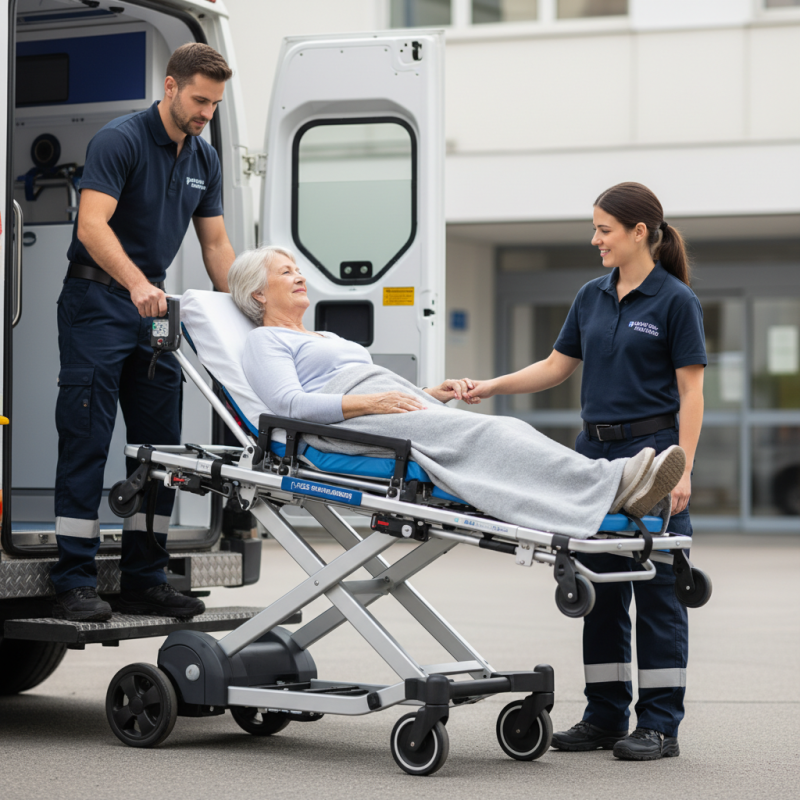
Advantages of Electric Stretchers in Emergency Medical Services
Electric stretchers bring significant advantages to
emergency medical services. They enhance mobility in critical situations.
Paramedics can adjust the height effortlessly. This feature saves time and
reduces physical strain on the personnel.
With electric stretchers, transferring patients becomes safer. The electric
mechanism allows for smooth transitions. This is especially beneficial in
tight spaces like ambulances. A stable stretcher reduces the risk of
patient falls or injuries. Moreover, the ability to adjust the angle
improves patient comfort.
However, challenges exist. Training paramedics to use
electric stretchers is essential. There can be a learning curve. Maintenance
is also crucial to ensure safety. While electric stretchers are a great
innovation, constant care is necessary to reap their full benefits.
Improved Patient Safety During Transportation with Electric Stretchers
Electric stretchers have transformed emergency medical services. With their ergonomic design, these stretchers enhance patient safety during transportation. According to a report by the National Association of Emergency Medical Technicians, approximately 50% of paramedics report injuries related to manual lifting. Electric stretchers significantly reduce this risk.
The ease of use with electric stretchers minimizes the chance of drop accidents. They allow for height adjustments, fostering safer loading and unloading practices. The ability to elevate or lower the stretcher helps reduce muscle strain. A study published in the Journal of Emergency Medical Services found that electric stretchers can decrease back injuries among paramedics by up to 70%. This reduction plays a vital role in workforce sustainability.
Despite their advantages, some challenges exist. The weight of electric stretchers can be an issue in tight spaces. Additionally, their reliance on batteries raises concerns about power management. Regular maintenance is crucial to ensure reliability during emergencies. Not all EMS teams have access to electric stretchers, leading to inconsistencies in patient handling. The balance between technology and practicality continues to prompt discussions in the field.
Enhanced Ergonomics for Paramedics Using Electric Stretchers
Electric stretchers significantly enhance ergonomics for paramedics. These devices reduce the physical strain associated with lifting and transporting patients. A study published in the Journal of Emergency Medical Services highlighted a 60% decrease in back injuries among paramedics using electric stretchers. This statistic underscores their potential to improve workplace safety.
Using electric stretchers allows paramedics to adjust the height easily. This feature helps maintain proper body mechanics during patient handling. Research shows that effective ergonomic practices can lower fatigue rates. Less fatigue may lead to improved decision-making in critical situations. The ability to lift patients with minimal physical effort is crucial. Yet, some paramedics may still resist adopting this technology.
Tips: Ensure regular training on electric stretcher use. Familiarity can enhance ergonomics and safety. Evaluate your team's comfort level with these devices. Identify and address any concerns or resistance. Continuous feedback can lead to better outcomes. Embracing technological advancements is essential for modern emergency services. Regularly assess the effectiveness of these devices in your practice.
Top 10 Benefits of Electric Stretchers for Paramedics
Time Efficiency and Rapid Response with Electric Stretchers
Electric stretchers significantly enhance time efficiency for paramedics. Traditional stretchers require more manpower and time for loading and unloading patients. In contrast, electric stretchers utilize powered lifting mechanisms. This feature allows a single paramedic to manage the stretcher quickly. According to the National Institute for Occupational Safety and Health, manual lifting contributes to 25% of all work-related injuries in healthcare. Reducing the manual effort can mitigate these risks.
The rapid response capability of electric stretchers can be crucial. Emergency medical services report that faster patient loading translates to improved survival rates, especially in critical situations. An analysis by the Journal of Emergency Medical Services found that improved patient transfer systems can reduce door-to-balloon times consistently. Faster response enhances the quality of care and patient outcomes.
Increased efficiency does not come without challenges. Some paramedics may struggle with the technology at first. While electric stretchers are designed for ease of use, they require training. A lack of familiarity can impact the system's benefits. Ensuring proper training is crucial for achieving effectiveness. Transition periods may introduce delays if staff are not adequately prepared. Overall, the impact of electric stretchers on time efficiency is clear, yet requires awareness of their operational needs.
Integration of Technology in Electric Stretchers for Modern Paramedics
The integration of technology in electric stretchers has revolutionized the way paramedics operate. Modern electric stretchers are equipped with advanced features that enhance both safety and efficiency. For instance, a report by the National Association of Emergency Medical Technicians states that electric stretchers reduce the physical strain on paramedics by 77%. This statistic highlights a crucial aspect: the well-being of first responders directly impacts patient care.
Technology in electric stretchers includes automated lifting and lowering systems, which allow for easy maneuvering in tight spaces. This not only protects paramedics from injury but also ensures a smoother transition for patients. The electric controls are intuitive, enabling quick adjustments during critical moments. A survey revealed that 85% of paramedics felt more confident in their ability to manage patients using these stretchers.
Tip: Regular training on the use of electric stretchers can enhance familiarity with their functions, fostering both safety and efficiency.
Despite their advantages, there are challenges in maintaining these high-tech devices. Frequent electrical malfunctions can occur, especially in harsh environments. It poses a dilemma for paramedics who rely on their equipment during emergencies. Continuous monitoring and routine maintenance are essential to mitigate these risks.
Tip: Establish a checklist for regular maintenance to ensure that electric stretchers remain operational and safe.
As the evolution of medical technology continues, the role of electric stretchers in emergency response will expand. They not only improve patient outcomes but also promote a healthier working environment for paramedics.
Top 10 Benefits of Electric Stretchers for Paramedics
| Benefit |
Description |
| Enhanced Mobility |
Electric stretchers allow paramedics to maneuver easily in tight spaces, improving access to patients. |
| Reduced Physical Strain |
Lifting and lowering mechanisms decrease the physical load on paramedics, lowering the risk of injuries. |
| Increased Safety |
Automatic locking mechanisms and secure hold designs ensure patient safety during transport. |
| Quick Deployment |
Electric stretchers can be deployed and adjusted swiftly, reducing response times in emergencies. |
| Improved Patient Comfort |
The ability to adjust height and position enhances comfort for patients during transport. |
| Advanced Technology Integration |
Many electric stretchers come equipped with technological features such as monitoring systems. |
| Customization |
Electric stretchers can often be customized to suit specific medical needs or environments. |
| Reliability |
Electric systems are designed for durability and reliability under various conditions. |
| Enhanced Communication |
Some models include communication tools that help paramedics coordinate with hospitals. |
| Cost-Effectiveness |
Investing in electric stretchers can reduce long-term costs related to employee injuries and equipment maintenance. |
Conclusion
Electric stretchers have become an integral tool in the field of emergency medical services, offering numerous benefits for paramedics. What are the benefits of electric stretchers for paramedics? Firstly, they significantly enhance patient safety during transportation by providing stable support and reducing the risk of falls or injuries. Additionally, the ergonomic design of electric stretchers allows paramedics to maneuver patients with less physical strain, promoting better health and reducing the likelihood of workplace injuries.
Moreover, electric stretchers improve time efficiency, enabling paramedics to respond to emergencies more rapidly. The integration of advanced technology in these stretchers streamlines various processes, ensuring that paramedics can focus more on patient care rather than manual handling. Overall, the adoption of electric stretchers is a key advancement in modern paramedic practices, enhancing both patient outcomes and the well-being of medical personnel.

 Jones Medical