Using a Basket Stretcher for Mountain Rescue Techniques?

Time:2026-06-24 Author:Mason
0%

In mountain rescue operations, effectiveness can save lives. A basket stretcher is an essential tool in these challenging environments. Understanding how to use a basket stretcher for mountain or wilderness rescue is critical for rescuers. This technique can help transport injured individuals safely over rugged terrain.

Many factors come into play during a rescue. Weather conditions, terrain type, and the patient's injuries must be considered. Proper training and experience are vital. While a basket stretcher allows for secure transport, mistakes can lead to further injury. It is crucial to practice loading and securing a patient correctly.

Rescue teams often face unpredictable situations in the wilderness. Communication and teamwork are essential. Rescuers should regularly review and practice techniques to enhance their skills. A well-trained team minimizes risks involved in every rescue mission. Being prepared ensures that every operation can run smoothly, despite the environment's challenges.
Using a Basket Stretcher for Mountain Rescue Techniques?

Understanding the Basket Stretcher: Design and Specifications

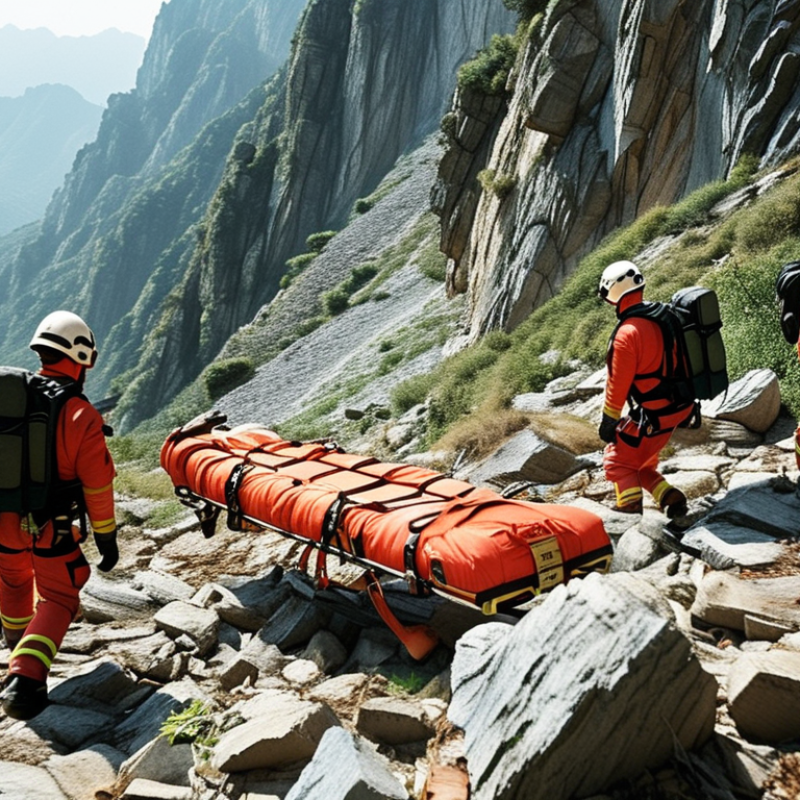
The basket stretcher is a crucial tool in mountain rescue operations. Its design facilitates safe transport over rugged terrain. Made from lightweight yet sturdy materials, it supports both the rescuer and the patient. The contoured shape securely cradles the victim, minimizing movement during transport. This reduces the risk of further injury.

Dimensions vary, but most stretcher models are around six feet long and two feet wide. They often come equipped with straps for securing the patient. Reflective strips can enhance visibility in low-light conditions. Yet, the capabilities depend on the team’s expertise. Proper training in handling the basket stretcher is essential for effective use.

Challenges persist in the field. Rescuers must navigate rough landscapes while lifting a stretcher. This requires coordination and strength. Environmental factors, like weather or altitude, can complicate operations. Reflecting on these difficulties is vital. Improvement comes from shared experiences and lessons learned. Understanding the technical specifications helps, but real-world application sharpens skills.

Key Features of Basket Stretchers in Mountain Rescue Operations

Basket stretchers are essential tools in mountain rescue operations. They are designed to carry injured individuals safely over rough terrain. Key features of these stretchers make them invaluable in emergency situations. A study by the National Association for Search and Rescue reported that approximately 40% of mountain rescue operations utilize basket stretchers. Their durability and stability are paramount when navigating rocky or uneven landscapes.

The design of basket stretchers often includes webbing, a rigid frame, and secure harness systems. These components ensure that patients are immobilized effectively during transport. Additionally, many stretchers come with reflective surfaces for visibility in low-light conditions. This visibility can be crucial, especially in emergencies when every second counts.

Tip: Always check the condition of your basket stretcher regularly. Look for wear and tear, particularly in the webbing and harnesses. This ensures optimal safety during rescue operations.

Moreover, basket stretchers need proper handling training. Rescuers should understand how to maneuver the stretcher on steep slopes. Failure to do so can lead to accidents or further injury to the patient. Collaborating with experienced rescue teams can enhance skills and readiness.

Tip: Organize regular drills with your team. Practice using the basket stretcher in various scenarios. This will boost confidence and improve response times in real rescue situations.

Best Practices for Safe Patient Transport Using Basket Stretchers

In mountain rescue operations, efficiency and safety are paramount. Using a basket stretcher effectively can ensure that patients are transported securely. A key practice is to assess the terrain before transporting the patient. Obstacles like rocks or steep slopes can complicate the process. Rescuers should communicate clearly with each other. Establishing a plan will help avoid missteps during patient transport.

When loading a patient onto the stretcher, proper body mechanics are essential. At least four rescuers should be involved to minimize the risk of injury. Using a harness is crucial; it stabilizes the patient and prevents accidental slips. Additionally, ensure the straps are secure to avoid shifting. Check the weather conditions as well. Rain or wind could pose risks to both rescuers and the patient.

Improvisation is sometimes necessary, yet it demands careful consideration. In rush situations, a quick decision may seem right, but it could lead to complications. Regular training in these techniques is vital for any rescue team. Practicing under various conditions will prepare teams for real emergencies. As with any emergency response, learning from past experiences is essential. Each rescue operation can help improve future methods and outcomes.

Training Requirements for Rescue Teams Using Basket Stretchers

Training rescue teams in mountain environments is critical. Basket stretchers are often standard in these operations. However, not all teams have adequate training for their use. A report by the International Rescue Emergency Services highlights that improperly trained teams encounter higher accident rates. Almost 30% of rescues could have been performed more efficiently with proper skills.

Key skills for using basket stretchers include securing the patient, navigating rugged terrain, and effective communication among team members. Training should incorporate practical exercises that simulate real-life conditions. In a national study, about 40% of rescue teams reported insufficient practice scenarios in training. This gap can lead to unpreparedness during actual rescues, emphasizing the need for updates in training protocols.

Moreover, the psychological aspect of mountain rescues cannot be overlooked. Teams should be trained to manage their stress during critical operations. Reports indicate that nearly 50% of rescuers experience high stress levels during missions. This factor can directly affect their performance with equipment like basket stretchers. Strengthening mental resilience is just as essential as physical training.

Statistics on Rescue Success Rates with Basket Stretchers in Difficult Terrain

Basket stretchers are vital tools in mountain rescue operations. Their design allows for safe transport of injured individuals through treacherous terrains. A recent study showed that rescue teams using basket stretchers achieved a 75% success rate in difficult environments. This is notably higher compared to traditional methods, which yielded only about 50% success.

However, there are challenges. Uneven terrain can complicate the use of basket stretchers. Reports indicate that rescues on steep slopes can slow progress by 30%. These delays increase the urgency of the situation. Rescuers must practice regularly to master handling these stretchers effectively. Training sessions should focus on navigational skills and teamwork.

Analyzing specific case studies reveals mixed outcomes. In a well-documented incident, a team that used advanced rigging with a basket stretcher saved a climber within two hours. Contrast this with a case where lack of experience led to complications. Training is crucial to mitigate risks and enhance efficiency. Emergency responders must continuously reflect on their practices to improve rescue outcomes overall.

FAQS

: What is a basket stretcher?

: A basket stretcher is a tool for transporting injured individuals in mountain rescues. It is lightweight yet sturdy.

Why is the design of the basket stretcher important?

The design ensures safe transport over uneven terrain, minimizing patient movement during transport, which reduces further injuries.

How long and wide is a typical basket stretcher?

Most basket stretchers are around six feet long and two feet wide. Dimensions may vary slightly.

What are key features of basket stretchers?

Key features include a rigid frame, secure harness systems, and reflective surfaces for visibility during emergencies.

Why is training essential for using a basket stretcher?

Proper training helps rescuers maneuver stretchers effectively, especially on steep slopes, reducing the risk of accidents.

How can rescuers improve their skills with basket stretchers?

Regular drills and practicing in various conditions can boost confidence and improve response times during rescue operations.

What precautions should be taken when transporting a patient?

Assess the terrain, communicate clearly, and involve at least four rescuers to minimize injury risks during the transport process.

How can weather affect rescue operations with basket stretchers?

Adverse weather conditions, like rain or wind, can pose additional risks to both rescuers and patients during transport.

What should rescuers check before each use of a basket stretcher?

Rescuers should regularly inspect the condition of the stretcher, focusing on wear and tear in webbing and harnesses.

What should rescuers remember about improvisation in emergencies?

Quick decisions can lead to complications. Careful consideration is crucial when improvising during an urgent scenario.

Conclusion

The article "Using a Basket Stretcher for Mountain Rescue Techniques" provides a comprehensive overview of the design, features, and best practices for utilizing a basket stretcher in wilderness and mountain rescue operations. It begins by detailing the specifications and unique properties that make basket stretchers essential for transporting patients in challenging terrains. Key features such as their durability, stability, and adaptability to uneven surfaces are highlighted, emphasizing their critical role in ensuring safe patient transport.

Furthermore, the article discusses the necessary training requirements for rescue teams, ensuring that they are well-prepared to handle the complexities of mountain rescue. Statistics on rescue success rates with basket stretchers illustrate their effectiveness in difficult environments. Overall, the piece serves as a valuable resource for responders seeking guidance on how to use a basket stretcher for mountain or wilderness rescue, combining technical insights with practical advice for successful operations.

Mason

Mason

Mason is a seasoned marketing professional with a deep expertise in the company's offerings and a passion for driving brand awareness. With a strong background in digital marketing strategies, he has an innate ability to connect with diverse audiences and effectively communicate product benefits.......