In the world of emergency medical services, equipment choice can significantly impact patient care. One crucial decision centers on the type of stretcher used in ambulances. This brings us to the question: Why are aluminum stretchers preferred over steel in ambulances? Aluminum stretchers provide many advantages that enhance efficiency and safety during critical moments.
Aluminum is lighter than steel, allowing paramedics to maneuver stretchers easily. This weight reduction can lead to quicker patient loading and unloading, facilitating timely medical assistance. Furthermore, aluminum does not corrode like steel, ensuring durability and longevity. Stretchers made from aluminum often require less maintenance, adding to their appeal. However, it is essential to weigh these benefits against potential concerns, like cost and strength in extreme conditions.
Paramedics frequently express their experiences with both types of stretchers. Many report fatigue when using heavier steel models, particularly during extended shifts. The increased maneuverability of aluminum models often translates to better performance in high-stress situations. Yet, some might question whether aluminum's lighter weight compromises structural integrity. Therefore, understanding these nuances can help in making informed decisions regarding stretcher usage in ambulances.
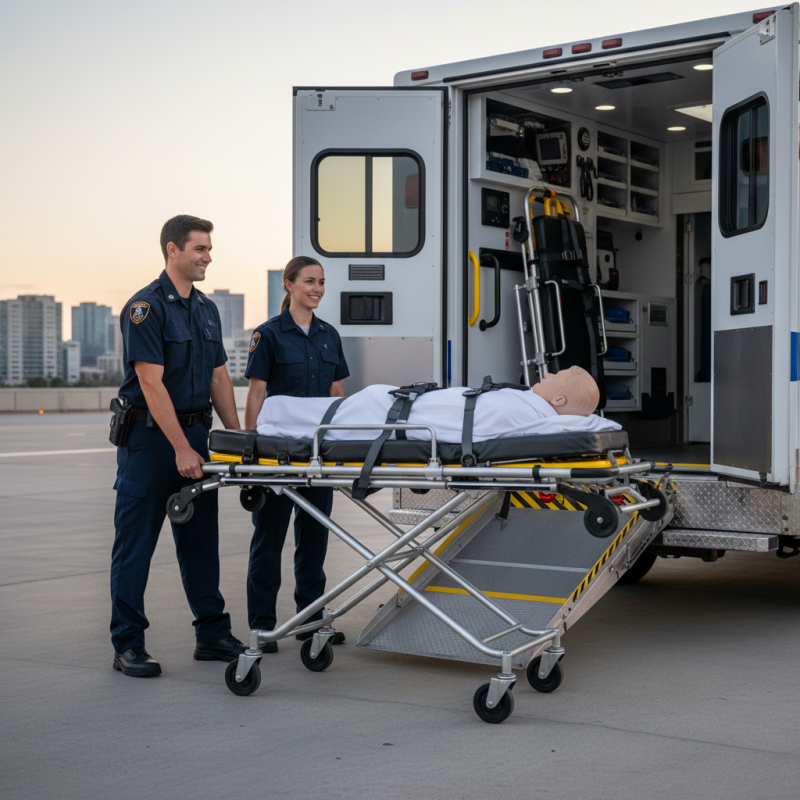
Benefits of Aluminum Stretchers in Emergency Medical Services
In emergency medical services, aluminum stretchers are gaining recognition for their numerous advantages over steel options. One major benefit is weight. A typical aluminum stretcher can weigh up to 30% less than a steel stretcher. This reduction makes transportation more efficient during emergencies when time is critical. According to a 2021 industry report, reducing stretcher weight can significantly increase mobility in confined spaces.
Durability is another crucial factor. Aluminum stretchers, while lightweight, exhibit high resistance to corrosion and wear. These features are essential for equipment often exposed to various environmental conditions. Data shows aluminum can last up to twice as long as steel in comparable scenarios. However, some critics argue that while aluminum is resilient, it's essential to regularly assess physical wear and tear.
Additionally, the ease of handling aluminum stretchers cannot be overlooked. Their lightweight design allows paramedics to maneuver quickly through tight spaces. Yet, this agility does pose a downside. It requires constant training for staff to ensure safety and efficiency. Balancing lightweight benefits with the potential for mishandling is essential in ongoing training programs for EMS personnel. Overall, the advantages of aluminum stretchers present a valuable consideration for emergency medical services.
Top 10 Reasons Aluminum Stretchers Outperform Steel in Ambulances
Weight Comparison: Aluminum vs. Steel in Ambulance Equipment
When it comes to ambulance equipment, weight plays a crucial role in performance. Aluminum stretchers emerge as a champion in this regard. According to the National Institute of Standards and Technology, aluminum is nearly 30% lighter than steel. This weight reduction can greatly enhance mobility for emergency responders. A lighter stretcher means faster transport to the hospital. Every second counts during emergencies.
Moreover, weight impacts the overall efficiency of an ambulance. A study published by the Journal of Emergency Medical Services found that reducing equipment weight allows for higher payload capacity. This means ambulances can carry life-saving supplies and advanced equipment without compromising speed. Stretchers made of aluminum also typically offer better corrosion resistance, which prolongs equipment life and ensures reliability in critical situations.
However, it's important to recognize that lighter materials may raise concerns about durability. Some critics question the long-term performance of aluminum compared to steel in high-stress scenarios. Balancing lightweight design with robust construction is essential for manufacturers. Continuous assessments and testing are crucial to address these concerns. The industry faces challenges to ensure that safety and efficiency remain top priorities.
Top 10 Reasons Aluminum Stretchers Outperform Steel in Ambulances
| Reason |
Aluminum (lbs) |
Steel (lbs) |
Weight Difference (lbs) |
| Lightweight Construction |
50 |
70 |
20 |
| Corrosion Resistance |
N/A |
Yes |
N/A |
| Ease of Maneuverability |
Superior |
Moderate |
N/A |
| Durability Over Time |
High |
Moderate |
N/A |
| Cost Efficiency |
Long-term Savings |
Higher Initial Cost |
N/A |
| Thermal Conductivity |
Excellent |
Low |
N/A |
| Safety Standards |
High Compliance |
Bulkier |
N/A |
| Maintenance Requirements |
Low |
High |
N/A |
| Environmental Impact |
Recyclable |
Less Recyclable |
N/A |
| Resale Value |
Higher |
Lower |
N/A |
Durability and Longevity of Aluminum Stretchers in Field Use
Aluminum stretchers are increasingly favored in the field of emergency medical services. Their lightweight nature ensures quick maneuverability in tight situations. This is vital during critical timeframes. Meanwhile, aluminum structures offer exceptional durability. They resist rust and corrosion better than steel. In humid environments or areas with inconsistent weather, aluminum outlasts its steel counterparts.
Field use often tests equipment rigorously. Aluminum stretchers maintain integrity even under heavy loads. They can endure harsh operational conditions, from urban settings to rugged terrains. This durability translates into reduced maintenance costs over time. Less frequent replacements mean greater reliability for first responders. Emergency personnel can focus on patient care instead of equipment failures.
Despite these advantages, aluminum stretchers may face resistance due to misconceptions about their strength. Some believe steel is inherently better for durability. This perspective needs reconsideration. In practice, aluminum can be more resilient in certain scenarios. Understanding these differences is key in equipment choice. Emergency services must weigh all options to ensure the best performance in the field.
Cost-Effectiveness of Aluminum Stretchers Over Their Lifespan
Aluminum stretchers are gaining popularity in ambulances for several reasons. One significant advantage is their cost-effectiveness over the lifespan of the product. Aluminum is lighter than steel, which reduces fuel costs. This can lead to substantial savings for ambulance fleets that operate on tight budgets. Moreover, the reduced weight makes it easier for emergency responders to maneuver stretchers efficiently.
When considering long-term savings, aluminum stretchers require less maintenance. They are less prone to rust and corrosion than steel models. This durability translates to fewer repairs and replacements over time, adding to the overall cost-effectiveness. Investing in aluminum stretchers can be financially smart for many organizations, allowing funds to be redirected toward other critical resources.
Tip: Always assess the total cost of ownership when choosing stretchers. This includes purchase price, maintenance, and operational costs. Additionally, consider the impact on your team's efficiency during emergencies. A lighter stretcher not only saves energy but can also lead to faster patient transport. Remember that a well-informed decision can make a significant difference in emergency care.
Enhanced Patient Safety Features of Aluminum Stretchers in Ambulances
Aluminum stretchers are becoming increasingly popular in ambulances due to their enhanced patient safety features. Their lightweight nature makes them easier to maneuver, reducing the risk of dropping a patient during transfers. An aluminum stretcher is less cumbersome, allowing paramedics to respond swiftly when every second matters.
The design of aluminum stretchers often incorporates superior safety mechanisms. For example, many have advanced locking systems that secure the patient safely. These systems ensure that stretchers do not collapse or tilt unexpectedly. Even the structure minimizes injury risks during transport. While steel stretchers provide durability, they can be heavy and difficult to handle, which can create challenges in emergency situations.
Despite their benefits, aluminum stretchers are not without flaws. They may not withstand very high impact forces as effectively as steel models. This raises questions about their long-term durability in certain crash scenarios. Therefore, continuous testing and improvements are needed to ensure maximum reliability and safety. Regular training for first responders on best practices with these stretchers is also essential to optimize patient care.
FAQS
: They are lighter, weighing up to 30% less than steel stretchers, improving transportation efficiency.
Aluminum resists corrosion and wear better, lasting up to twice as long as steel in similar environments.
Lighter stretchers enhance mobility in confined spaces, making it easier for responders to act quickly.
Their agility requires ongoing staff training to prevent mishandling during emergencies.
They reduce fuel costs and need less maintenance, leading to long-term financial savings for organizations.
Consider total ownership costs, including purchase price, maintenance, and team efficiency during use.
Yes, their lighter design saves energy and allows for quicker maneuvering during emergencies.
Yes, regular assessments for wear and tear are crucial to ensure continued safety and effectiveness.
Funds saved from maintenance and operational costs can be redirected to other critical resources.
Training must focus on balancing the lightweight advantages with safe handling practices.
Conclusion
Aluminum stretchers have emerged as a preferred choice over steel in ambulances for several compelling reasons. One key advantage is their significantly lighter weight, which makes them easier to maneuver, thereby enhancing response times during emergencies. Additionally, aluminum is known for its durability and longevity, performing well under demanding field conditions without succumbing to rust or corrosion. This durability ensures that aluminum stretchers can withstand the rigors of constant use, ultimately proving to be more cost-effective over their lifespan.
Further, the safety features of aluminum stretchers, such as improved patient security and comfort, contribute to better outcomes during transport. These advantages prompt the question, "Why are aluminum stretchers preferred over steel in ambulances?" The combination of lightweight construction, durability, cost-effectiveness, and enhanced safety solidifies aluminum's position as the superior material in emergency medical services.

 Jones Medical